 Suleman Chitera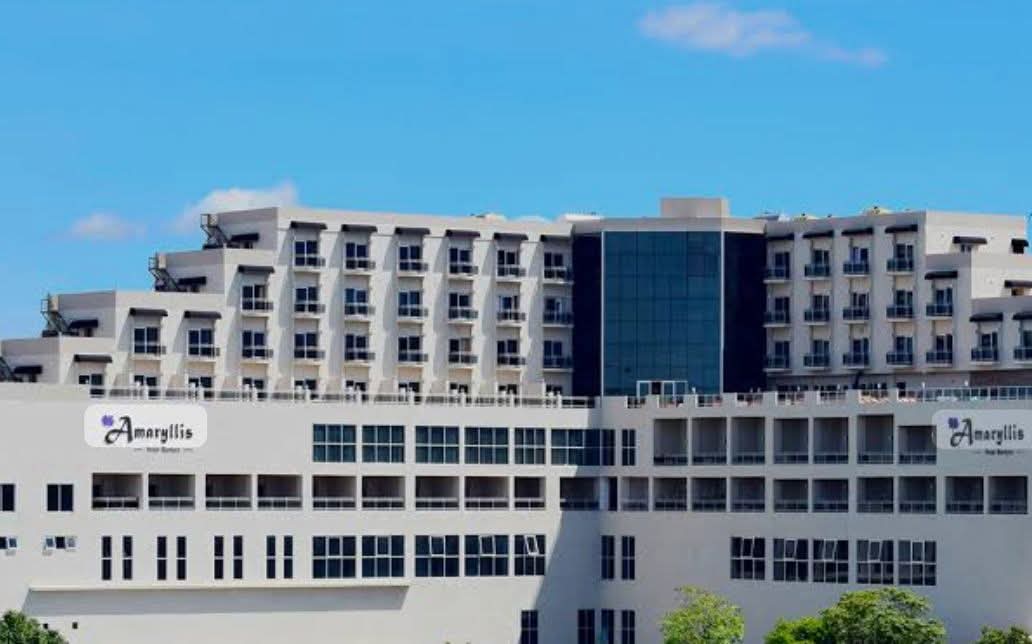
By Suleman Chitera
The purchase of the luxury Amaryllis Hotel by the Public Service Pension Trust Fund (PSPTF) has become one of the most contentious financial transactions in Malawi in recent years. The deal, valued at about K128.75 billion, has drawn scrutiny from regulators, lawmakers, professional bodies and civil society amid concerns over valuation, governance and the use of public pension funds.
Background of the Transaction
The Amaryllis Hotel, a five-star facility located in the commercial hub of Blantyre, was built and operated by Yusuf Investments Limited. In early 2023, the company initiated discussions to sell the property, prompting interest from the PSPTF, which manages retirement savings for thousands of Malawian public servants.
Initial discussions around the acquisition reportedly placed the hotel’s value at around K47 billion, based on early negotiations facilitated by investment managers. However, as negotiations progressed, the purchase price escalated dramatically to K128.75 billion, raising concerns among financial analysts and stakeholders about whether the valuation accurately reflected the property’s true market worth.
The fund ultimately signed a sale agreement with Yusuf Investments in November 2025, committing pension funds to the acquisition of the property.
Concerns Over Valuation and Due Diligence
One of the central issues in the controversy has been the wide discrepancy between different valuations of the hotel.
Evidence presented to Parliament indicated that FDH Bank had earlier estimated the property’s value at between K26 billion and K35 billion, far below the final purchase price.
Meanwhile, another advisory firm suggested the hotel could be worth between K115 billion and K145 billion, although it later emerged that the firm involved was not a registered property valuer, intensifying questions about the credibility of the assessment used to justify the purchase price.
Analysts appearing before Parliament also warned that the investment might take up to 36 years to recover if the price were significantly lower than the final transaction value, casting doubt on whether the hotel would generate sufficient returns to safeguard pensioners’ savings.
Regulatory and Legal Challenges
The transaction has also faced regulatory scrutiny. The Reserve Bank of Malawi, which oversees pension funds through the Registrar of Financial Institutions, reportedly directed the PSPTF board to suspend the purchase process until further review was conducted.
However, the fund proceeded with the agreement despite the directive. In February 2026, the Registrar ordered the trustees to reverse the deal within seven days or face administrative penalties, accusing them of breaching prudential investment limits and ignoring regulatory instructions.
The regulator also requested detailed explanations from the trustees regarding how the investment would protect the retirement funds of members.
Parliamentary Inquiry
The controversy prompted Malawi’s Parliament to launch an investigation through the Public Accounts Committee (PAC). The committee has been summoning banks, consultants and officials involved in the deal to determine whether proper procedures were followed.
During the hearings, several revelations have emerged, including claims that some investment managers withdrew from the transaction after identifying potential liquidity risks and weak projected returns.
Members of the committee have also questioned whether sufficient due diligence was conducted before committing billions of kwacha belonging to civil servants’ pension savings.
Anti-Corruption Bureau and Legal Scrutiny
The Anti-Corruption Bureau (ACB) initially placed restrictions on the transaction following complaints from the Malawi Law Society, which alleged possible corruption and procedural irregularities.
Although the ACB later lifted the restriction after saying it did not find sufficient evidence to prosecute public officials for corruption, it maintained concerns about the investment’s financial viability and the sudden increase in price.
Public Reaction
The deal has triggered strong reactions from various stakeholders, including teachers’ unions, civil society groups and economic commentators. Many argue that pension funds—meant to secure the retirement of thousands of civil servants—should not be exposed to risky investments with uncertain returns.
Others have called for transparency and accountability, urging authorities to establish whether the transaction represents prudent investment or a misuse of public funds.
A Test for Financial Governance
The Amaryllis Hotel acquisition has become a major test of financial governance and oversight in Malawi. The outcome of the parliamentary inquiry and regulatory investigations will likely determine whether the deal proceeds, is reversed, or leads to disciplinary or legal action against those responsible.
For many observers, the controversy underscores the need for stronger safeguards in the management of pension funds to ensure that investments prioritize the long-term security of contributors rather than exposing their savings to potentially questionable deals.
Read also: Bulakwacha Critisize President Dr Lazarus Chakwera
Read also: Jane Ansah pauses whistle-stop tour to address National Men’s Conference in Chitipa
Read also: MCP’s Desperate Attempt to Buy Support: A Tale of Cash Handouts and Panic