 By Burnett Munthali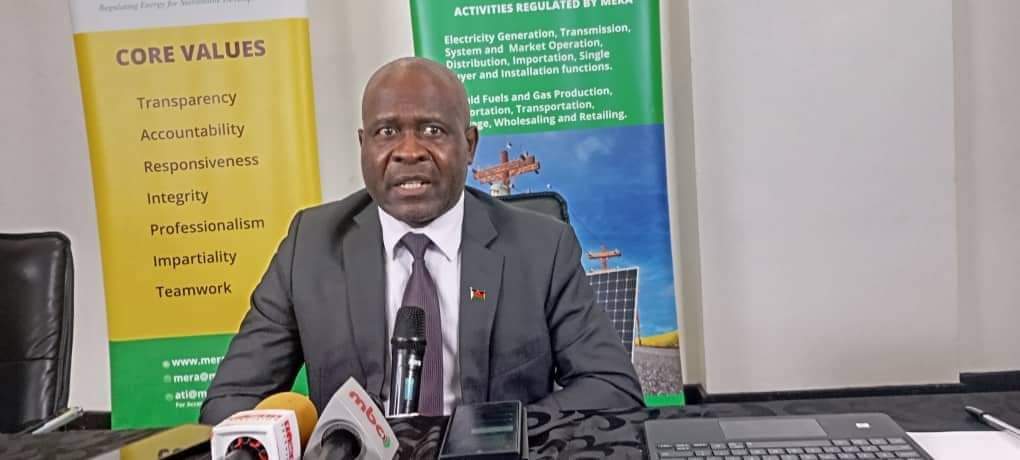
By Burnett Munthali
Henry Kachaje’s recent remarks regarding the ongoing fuel crisis in Malawi underscore the deep-seated challenges facing the nation’s energy sector. His apologies to the Malawian people, coupled with his acknowledgment of the historical roots of the crisis, highlight both the complexity of the situation and the urgent need for systemic reform.
Kachaje’s admission that the crisis has historical foundations points to a lack of long-term planning and investment in the energy sector. Fuel shortages are not new to Malawi; they have been a recurring issue, often exacerbated by external factors such as fluctuating global oil prices, forex shortages, and inefficiencies in local distribution networks. Kachaje’s failure to provide a specific timeline for resolution raises concerns about the effectiveness of MERA’s strategies and its capacity to address such a critical issue.
His statement, “We saw that it was possible for the fuel shortages to be resolved within the past week, but unfortunately, we fell short,” reflects a reactive approach rather than a proactive strategy. While it is commendable that MERA is willing to communicate openly about the challenges, the absence of a clear action plan or timeline leaves many Malawians in a state of uncertainty. Kachaje’s acknowledgment of the need to avoid repeating past mistakes indicates awareness of the systemic failures that have plagued the energy sector, yet it raises the question of what concrete measures will be implemented to ensure that history does not repeat itself.
Moreover, the commitment to providing updates on the status of fuel supply is a positive step, suggesting an intention to enhance transparency and accountability. However, this must be backed by actionable plans and visible progress. The Malawian public is understandably frustrated, as frequent fuel shortages disrupt daily life, economic activities, and overall stability.
In conclusion, while Kachaje’s statements reflect a recognition of the fuel crisis and its implications for the Malawian populace, they also expose the pressing need for comprehensive reforms in the energy sector. Moving forward, it is crucial for MERA and the government to engage in strategic planning, increase investments in infrastructure, and develop sustainable policies that can effectively tackle the underlying issues contributing to fuel shortages. Only then can the Malawian people begin to see tangible relief from the crisis that has long affected their livelihoods.
- Mudi Murder Investigation Deepens as Police Keep Silent
 Share Listen to this article By Our Reporter Mudi Murder Investigation Deepens as Police Keep Silent Amid Growing Public Pressure The Malawi Police Service has maintained its silence over key developments in the ongoing investigation into the alleged murder of Asif Khan, a case that has gripped the nation and sparked widespread public debate. Khan…
 - Asian Man Allegedly Tortured to Death Over 5kg of GoldShare Listen to this article By Our Reporter The Malawi Police Service has launched a murder investigation following the death of an Indian national who was allegedly tortured for nearly two weeks after being accused of stealing 5 kilograms of gold in Blantyre. The deceased, identified as Asif Khan, reportedly died on 6 July 2026…
- Blantyre Woman Sues Mulanje Mission Hospital After Alleged Surgical Blunder Led to Removal of Her Uterus
 Share Listen to this article By Staff Reporter A woman from Blantyre has filed a lawsuit against Mulanje Mission Hospital, seeking compensation after an alleged medical error during childbirth reportedly resulted in the removal of her uterus. The case, which has sparked public discussion about patient safety and accountability in Malawi’s healthcare system, centres on…
 - Blue Eagles FC Secure K100 Million Sponsorship Deal from Sana Cash and Carry
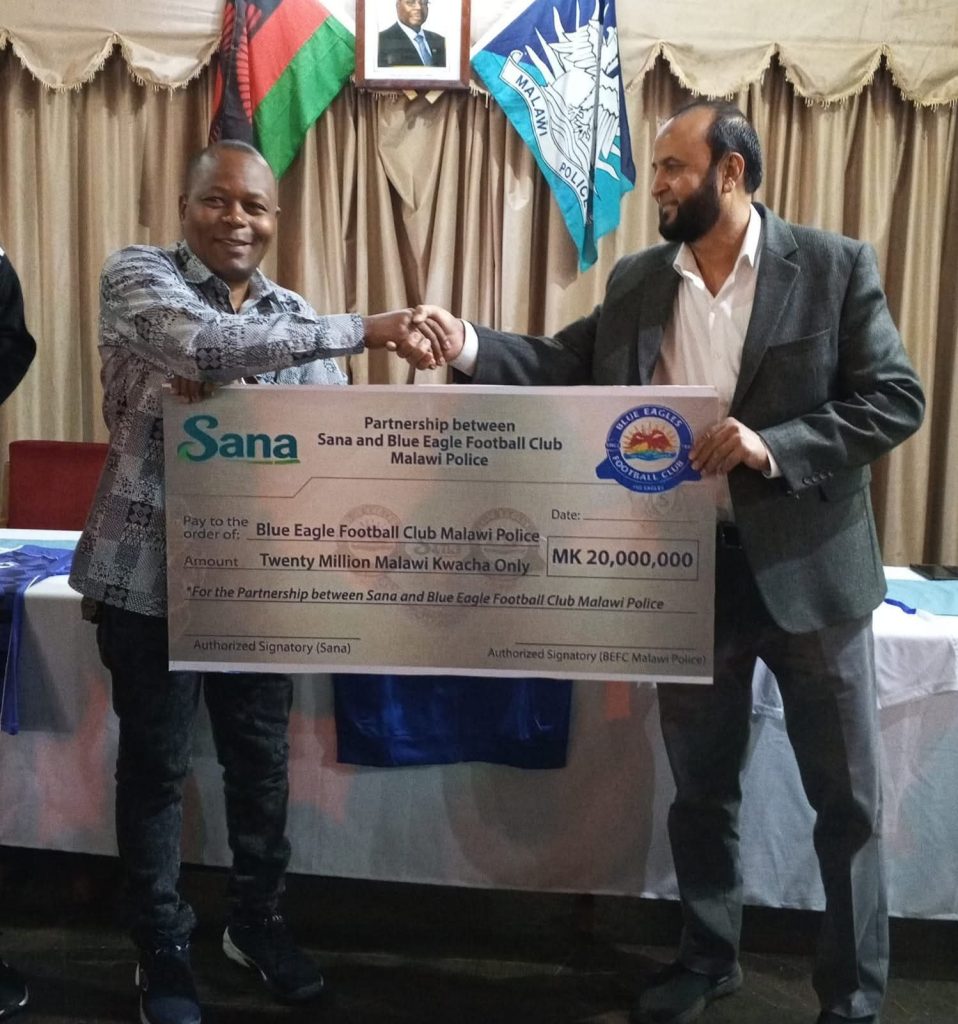
 Share Listen to this article By Suleman Chitera LILONGWE – Blue Eagles FC have received a major financial boost after signing a one-year K100 million sponsorship agreement with retail company Sana Cash and Carry. The sponsorship package is expected to strengthen the club both on and off the pitch as the Malawi Police-sponsored side continues…
 - Moyale Barracks, Masters FC Share Spoils in Thrilling 2-2 Draw
 Share Listen to this article By Sports Reporter Moyale Barracks and Masters FC played out an entertaining 2-2 draw in an FDH Bank Premiership match at Mzuzu Stadium on Saturday. Brown Magaga and Chifundo Makawa found the back of the net for the Lions of Kaning’ina, while Chisomo Mpachika and Stain Davie scored for Masters…