By Suleman Chitera
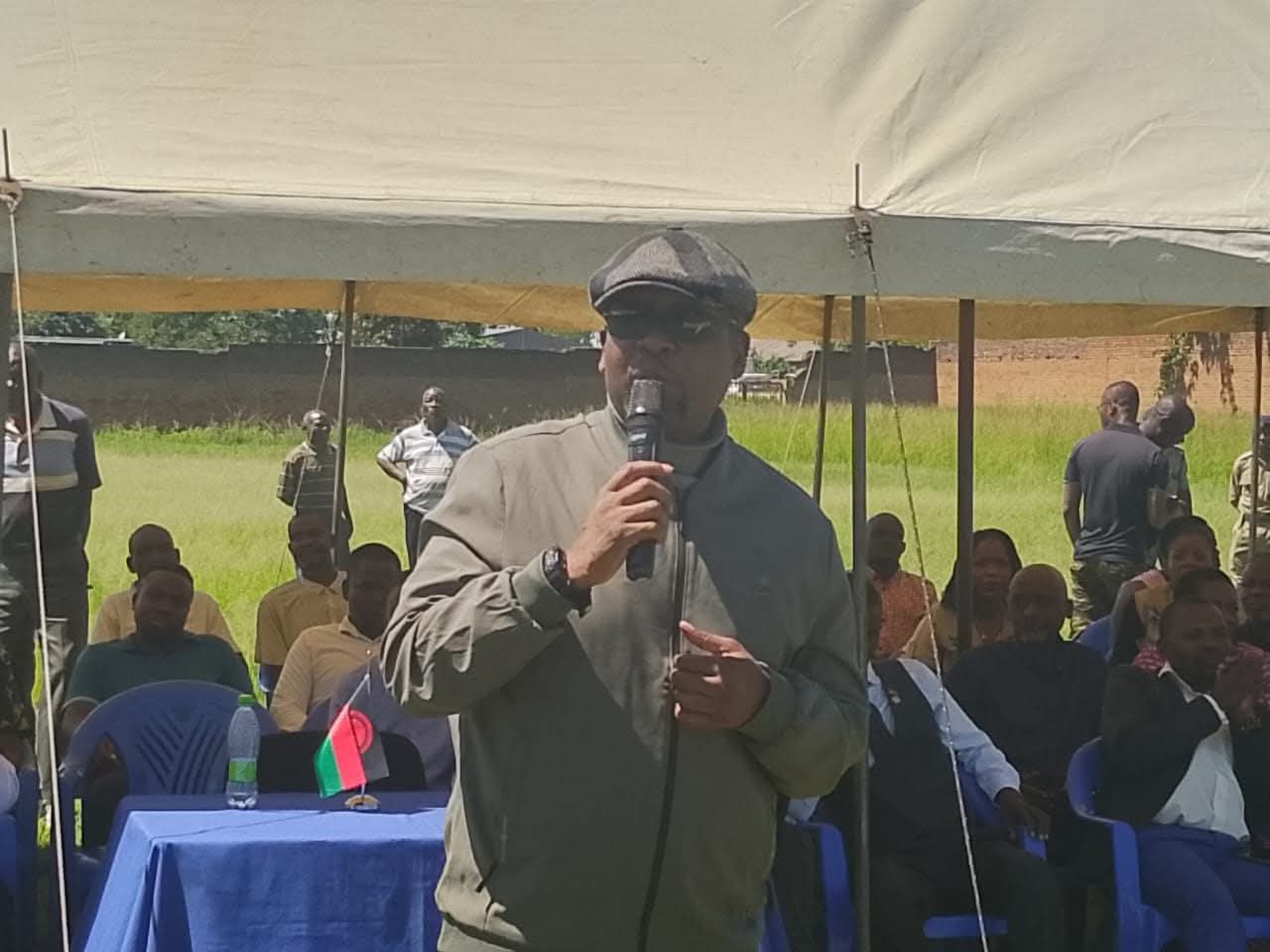
Minister of Lands, Housing and Urban Development Chimwemwe Chipungu has issued a stern warning to beneficiaries of relief maize in Lutchenza Municipality against selling the food, describing the practice as an abuse that defeats the very purpose of humanitarian assistance.
Chipungu, who is also Member of Parliament for Lutchenza Municipality Constituency, made the remarks at Lutchenza Community Hall when the Department of Disaster Management Affairs (DoDMA) distributed relief maize to 1,200 beneficiaries facing acute food shortages.
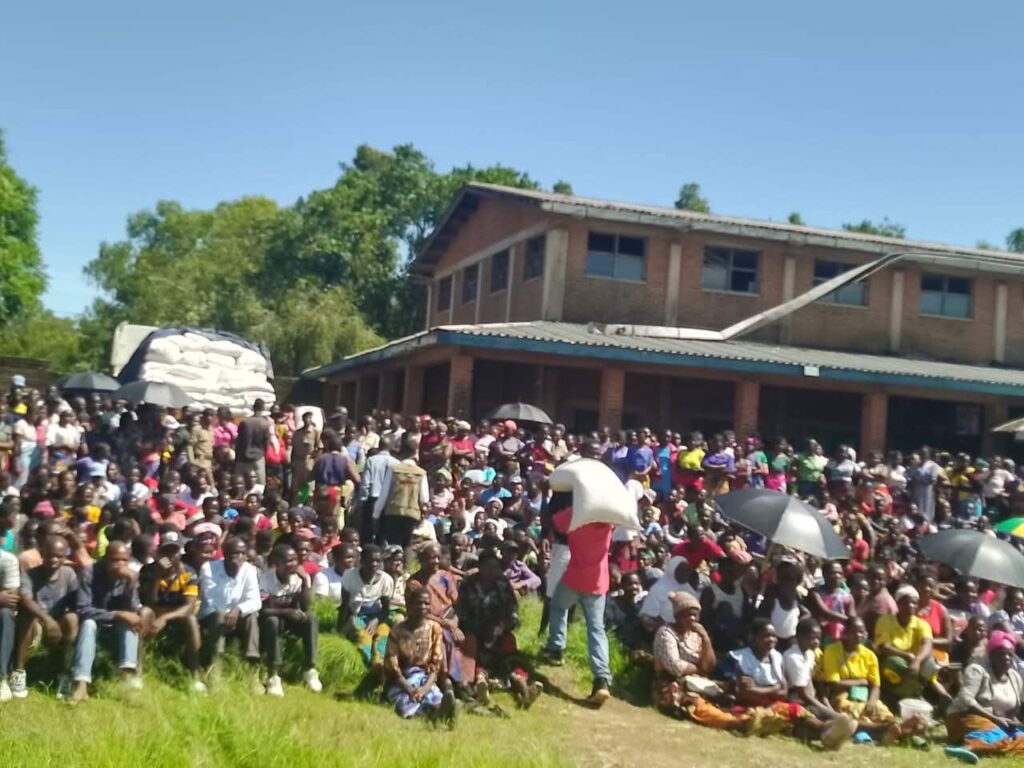
He emphasized that the maize is meant strictly to cushion vulnerable households against hunger and not for commercial gain, warning that those found selling the relief food risk being excluded from future distributions.
“This maize is for survival. Selling it is equal to stealing food from the mouths of fellow citizens who are suffering,” said Chipungu, urging beneficiaries to use the assistance responsibly.
The minister also made a passionate appeal to well-wishers, faith-based organizations, and the private sector to extend support to the area, revealing that about 8,000 people in Lutchenza Municipality are currently in need of food aid due to worsening hunger.
One of the beneficiaries, Odetta Tsiku-Lamowa, welcomed the intervention and thanked Chipungu for responding to their plight. However, she urged him to ensure consistency in assistance, saying communities suffer most when relief support comes with uncertainty.
“Today we are helped, tomorrow we don’t know. We plead with our MP not to leave us in suspense,” she said.
In a major boost to the municipality, Rashid Mtelera, speaking on behalf of the Chief Secretary to the President and Cabinet, announced that Lutchenza Municipality has now been officially included in DoDMA’s relief maize distribution programme for February and March.
The announcement was met with relief and optimism among residents, many of whom have been struggling to secure daily meals amid rising food insecurity.
With government reinforcing accountability and expanding relief coverage, the Lutchenza intervention signals renewed commitment to protecting vulnerable Malawians from hunger—while sending a clear message that relief aid is a lifeline, not a commodity for sale.