By Suleman Chitera Mangochi, Malawi
Senior Chief Nankumba of Mangochi District has appealed to the government to urgently intervene in the district’s prolonged dry spell by providing smallholder farmers with agricultural inputs for winter cropping, warning that the situation could trigger food insecurity in affected areas.
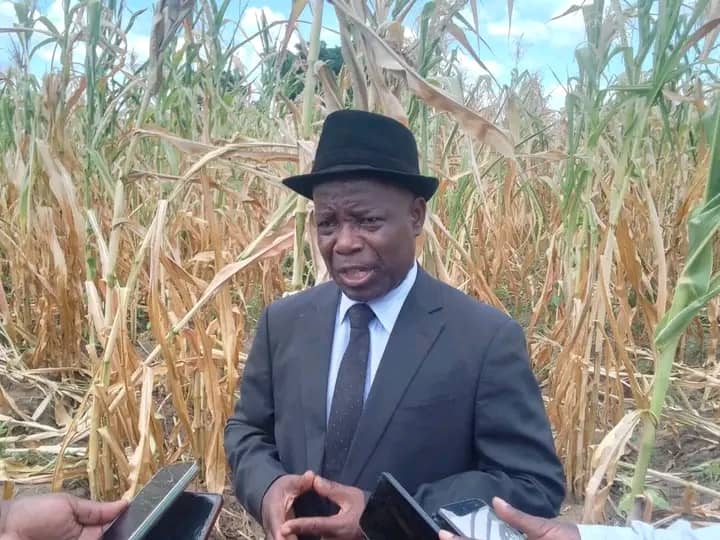
The Chief made the appeal on Tuesday during a monitoring visit by Mangochi District Commissioner (DC) Rodney Simwaka, saying erratic and insufficient rainfall has severely disrupted the current farming season and permanently damaged some crops.
“We started receiving some light rains last year, but from January up to now, we have not had significant rainfall. As a result, most of our crops have permanently wilted,” said Senior Chief Nankumba. “This situation puts our people at risk of hunger, and we are therefore urging the government to assist us with farm inputs for winter cropping so that households can still produce food.”
The dry spell has hit at a critical stage of crop development, raising concerns over reduced yields and household food availability. According to the district’s agricultural authorities, the impact has been widespread, with several Extension Planning Areas (EPAs) affected.
Mangochi District Chief Agriculture Officer Oscar Kaombe said the district began experiencing the dry spell on January 9 this year, with five EPAs—Nankumba, Chilipa, Lulanga, Lungwena and Nansenga—bearing the brunt of the weather shock.
“Nankumba EPA is the worst affected,” said Kaombe. “Out of a total of 173,011 hectares planted with various crops including maize, soya beans, burley tobacco, groundnuts and rice, about 13,864 hectares have been affected by the dry spell. Of these, approximately 6.3 hectares have been permanently damaged.”
Kaombe warned that without timely interventions, affected households may struggle to meet their food needs later in the year, especially those that depend entirely on rain-fed agriculture.
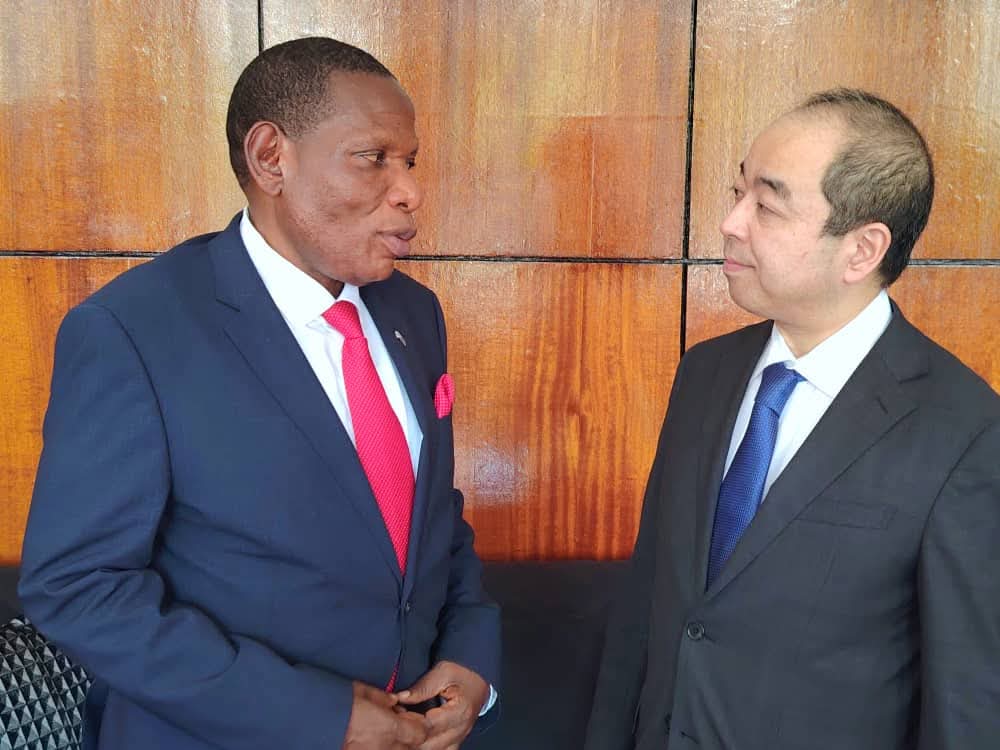
During the visit, District Commissioner Rodney Simwaka assured the communities that government is aware of the situation and will take steps to mitigate the impact of the dry spell.
“We have noted the concerns raised by traditional leaders and farmers,” said Simwaka. “Government will continue to assess the situation on the ground and work with relevant stakeholders to ensure that affected communities receive the necessary support to cushion them from the effects of the dry spell.”
He added that promoting winter cropping, where water resources allow, could help offset some of the losses incurred during the main rainy season.
Mangochi is among several districts across the country that have experienced erratic rainfall patterns this season, a trend experts attribute to climate variability. Agricultural authorities and traditional leaders are now calling for increased investment in irrigation, climate-smart agriculture and timely input support to strengthen farmers’ resilience against future weather shocks.