By Suleman Chitera
The Forum for Democracy and Rights Defenders (FDRD) has issued a blunt warning against what it describes as a dangerous culture of convicting individuals in the court of public opinion before the judiciary has spoken.
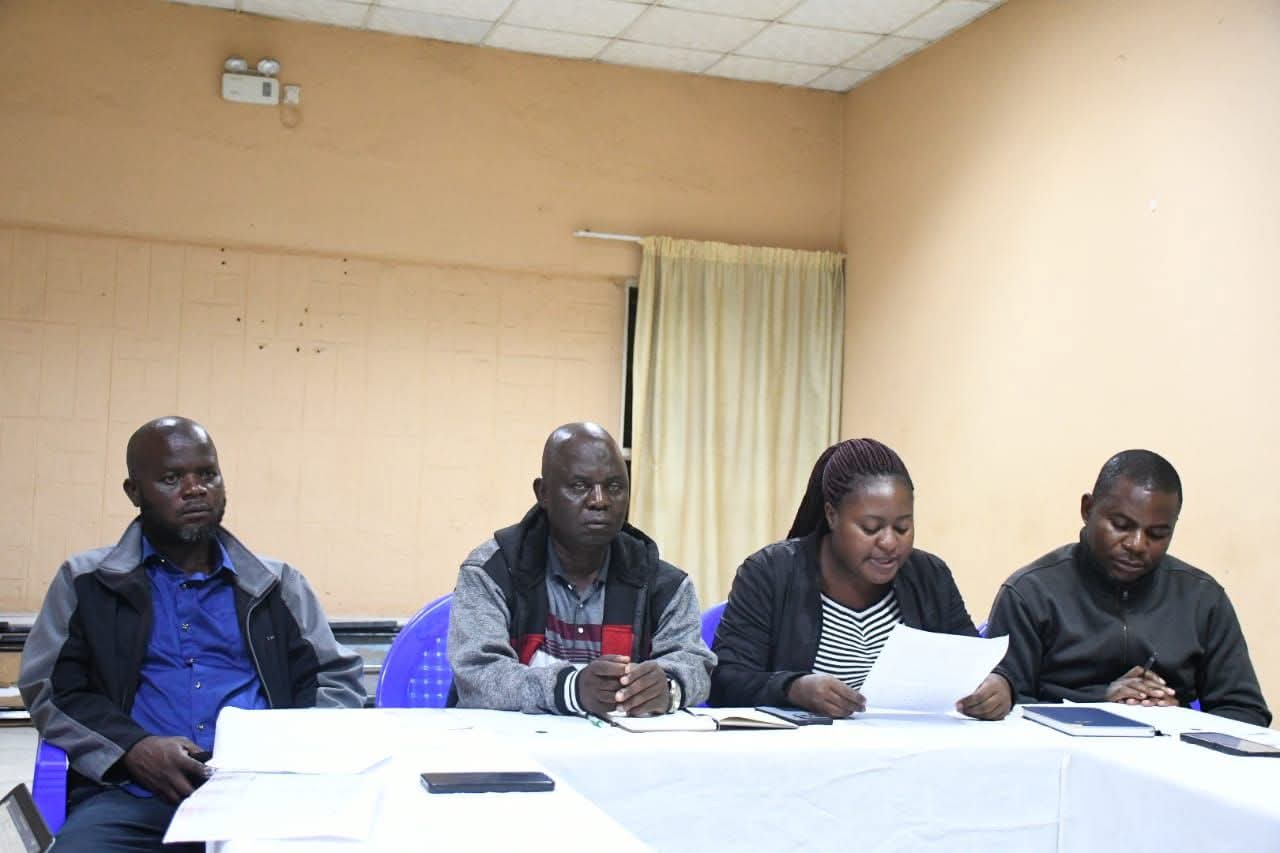
Addressing the media at Blantyre Lodge in Blantyre, FDRD Executive Director Abdulrahman Shaib Ajasi said Malawi risks sliding into lawlessness if citizens continue to brand suspects as criminals without due process.
“It is fundamentally wrong and legally unsound to declare anyone guilty before a competent court has made that determination,” Ajasi stressed. “The presumption of innocence is not optional — it is the backbone of justice.”
His remarks come amid mounting public pressure for Attorney General Counsel Frank Mbeta to resign over allegations he is facing. While acknowledging public frustration, FDRD maintained that resignation demands premised solely on accusations undermine constitutional order.
Warning Against Mob Justice
FDRD cautioned that emotional reactions, social media verdicts, and political rhetoric must not replace judicial procedure. The organization argued that once society normalizes pre-judgment, no one is safe — not politicians, not civil servants, not ordinary citizens.
“Today it may be one public official; tomorrow it could be any Malawian,” Ajasi warned.
The group called on citizens, activists, and political actors alike to allow the courts to function independently and without intimidation.
Backing Health Sector Reforms
In the same briefing, FDRD applauded the President for taking decisive action in the health sector by barring public health workers from operating private clinics and charging patients for services meant to be free in government facilities.
Ajasi described the directive as a long-overdue intervention against systemic exploitation of vulnerable patients.
“For years, struggling Malawians have been forced to pay for services that are legally free. That practice is not only unethical; it is criminal,” he said.
Pressure on Police Over Unresolved Cases
However, FDRD did not spare law enforcement. The organization demanded urgency and transparency in investigations surrounding the disappearance of the Managing Director of Crossroads Hotel and the killing of Dr. Victoria Bobe.
Ajasi said prolonged silence from authorities fuels public anxiety and erodes trust in the justice system.
“The same rule of law we are defending must be seen to work,” he said. “Justice delayed breeds suspicion. Justice denied breeds anger.”
A Nation at a Crossroads
FDRD’s message was unequivocal: Malawi must choose between constitutional order and chaotic populism. Respecting legal process does not shield wrongdoing, the group argued — it protects the integrity of the justice system.
As public debate intensifies, FDRD insists that accountability must come through evidence, prosecution, and judicial determination — not hashtags, headlines, or street pressure.
“Let the courts decide,” Ajasi concluded. “That is how democracies survive.”