 Suleman Chitera
By Suleman Chitera
Minister of Information and Communications Technology, Dr. Shadric Namalomba, has called on communities surrounding Nkope Community Day Secondary School to seize the opportunity presented by free Wi-Fi and modern computers being installed at the institution, describing the initiative as a game-changer for education and community development.
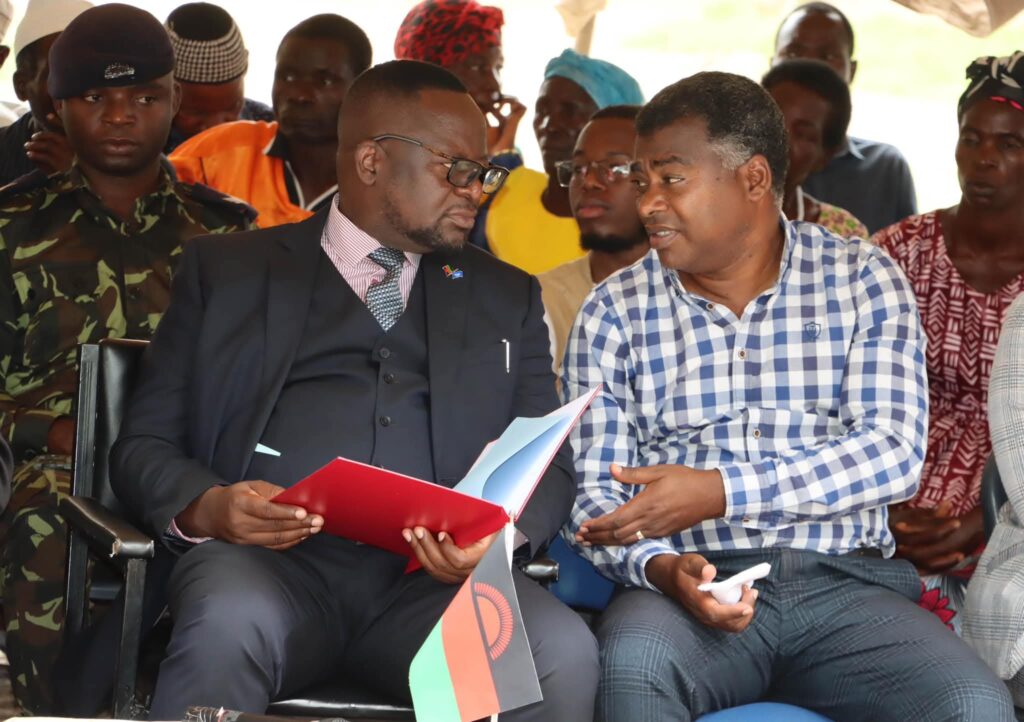
Speaking on Wednesday during an inspection tour of the school, Namalomba expressed satisfaction with the progress of construction works on a state-of-the-art computer laboratory being built under the Malawi Communications Regulatory Authority’s Universal Service Fund.
In an interview with Malawi News Agency, the minister said strategic investment in digital infrastructure is central to Malawi’s development agenda and the empowerment of citizens, particularly those in rural communities.
“For Malawi to compete on the global stage and achieve inclusive and sustainable growth, our people must fully embrace technology as a powerful tool for learning, innovation, entrepreneurship and service delivery across key sectors such as education and agriculture,” said Namalomba.
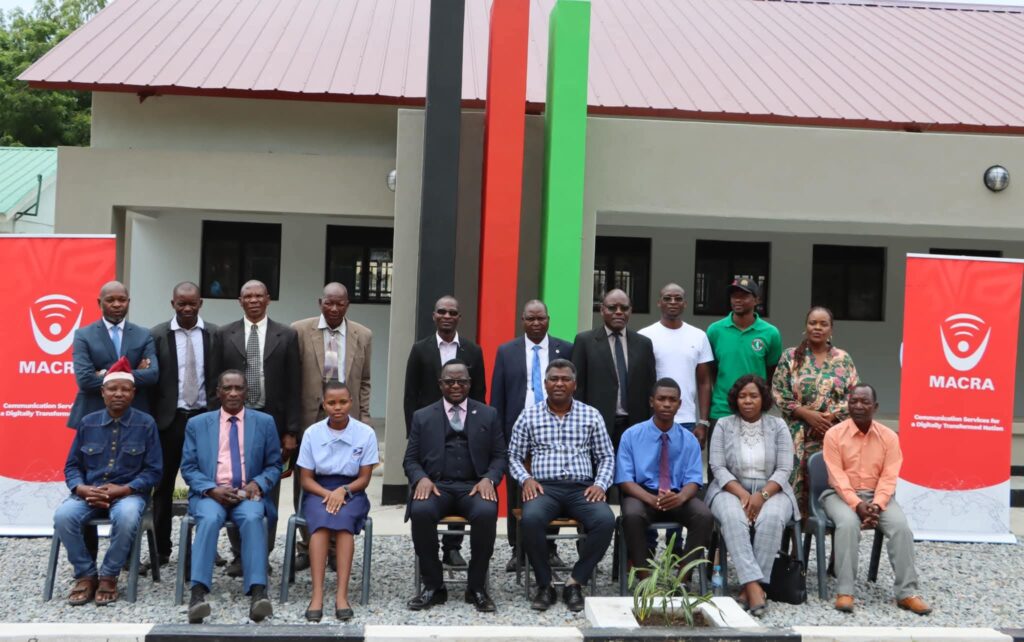
He assured the Nkope community of government’s unwavering support, noting that the project aligns with Malawi’s long-term development vision under the 2030 agenda, which prioritizes digital inclusion and equitable access to information.
“APM’s government remains fully committed to expanding digital infrastructure in rural areas as part of the 2030 development agenda. Our goal is to ensure that no community is left behind in accessing quality education, information services and emerging digital economic opportunities,” he said.

The minister also reminded stakeholders that public secondary education remains free, emphasizing that no learner should be charged tuition fees during the current term.
“The President directed that public secondary schools remain free for every learner. We must strictly adhere to this policy to guarantee equal access to education for all children, regardless of their background,” Namalomba stressed.
Councillor for Nkope Ward, Gusto Ngondoma, applauded government for prioritizing ICT development, saying the new facility would significantly enhance learning outcomes while equipping young people and community members with vital digital skills.
Sub Traditional Authority Chiwalo described the project as timely and transformative, noting that it would expose learners and the wider community to modern learning methods previously out of reach in the area.
“This computer laboratory will empower our children and community with essential digital skills, raise education standards and unlock opportunities that were once inaccessible to people in this rural area,” said Chiwalo.
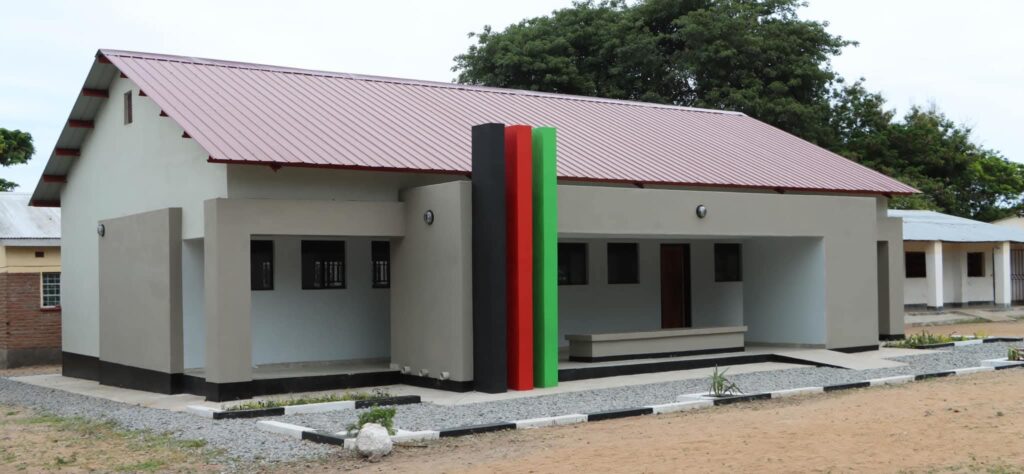
Principal Education Officer for Mangochi District, Solomon Bonde, said the facility complements ongoing education reforms by strengthening digital literacy and enabling teachers to deliver high-quality, technology-driven instruction.
Headteacher for Nkope Community Day Secondary School, Chris Mafuta, expressed gratitude to government for the investment and appealed for speedy completion of the project so learners can begin benefiting without delay.
“We sincerely thank government for prioritizing this computer laboratory. It will greatly improve teaching and learning at our school, and we kindly request authorities to fast-track completion for the benefit of our learners,” said Mafuta.
Mangochi District has about 48 public secondary schools, with government steadily rolling out ICT infrastructure to promote equitable access to quality education in both rural and urban areas.
Under the first phase of the Connect a School Project, 11 schools are benefiting in the Northern Region, 35 in the Central Region and 29 in the Southern Region. About 120 additional schools are expected to benefit nationwide in the next phase, further strengthening Malawi’s digital education landscape.
- NBM plc, Akiba strengthen Tanzania-Malawi investment ties
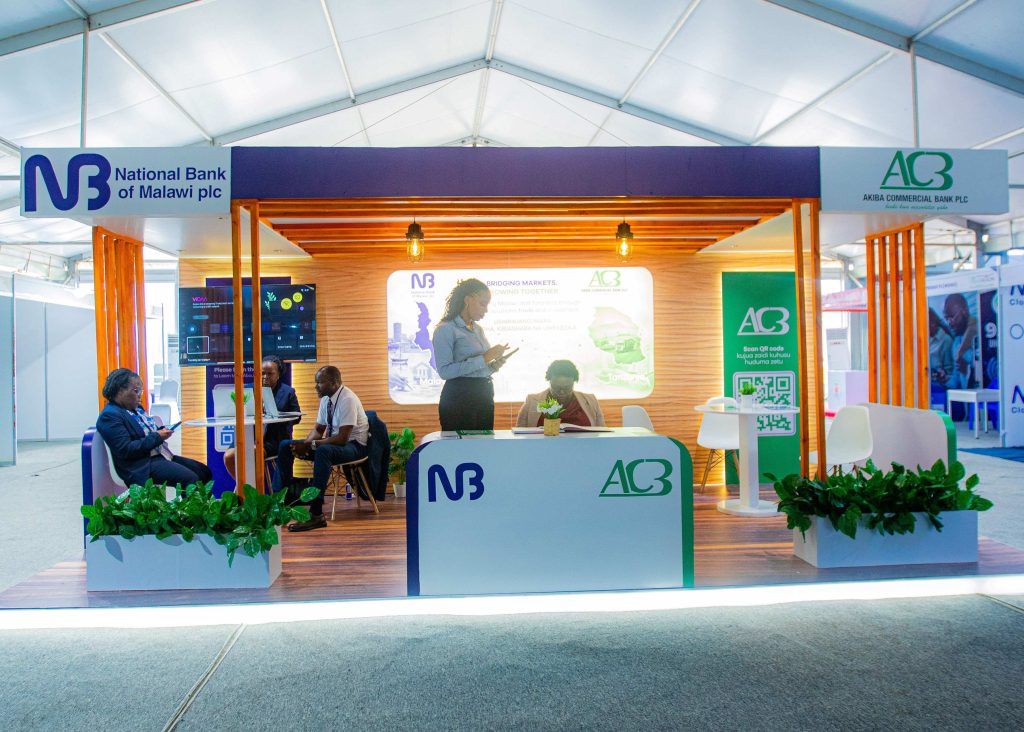 Share Listen to this article By Suleman Chitera National Bank of Malawi (NBM) plc, through its strategic investment in Akiba Commercial Bank (ACB) of Tanzania, has reaffirmed its commitment to strengthening cross-border trade and investment between Malawi and Tanzania. Read moreNEEF Customers Demands Their Deposit BackThe two financial institutions participated in the Tanzania–Malawi Investment Forum…
 - Kaduwa Imperial Hotel to Host Bwalo 02 Poetry and Music Event
 Share Listen to this article By Brighton Tchongwe Kaduwa Imperial Hotel in Lilongwe is set to host a poetry and music event dubbed “Bwalo 02 – Mbiri Ndi Nyimbo” on Saturday, September 19, 2026. Read moreZuneth Sattar’s investigation: Why is ACB only exposing suppliers while hiding officers who awards contracts?The event aims to celebrate Malawi’s…
 - Archbishop Msusa’s prophecy has come to pass
 Share Listen to this article By Vincent Gunde Archbishop Thomas Msusa of the Blantyre Archdiocese once assured Malawians that there was God in the Chikangawa forest who saw everything and time will come for Malawians to know who this God was. Read moreZuneth Sattar’s investigation: Why is ACB only exposing suppliers while hiding officers who…
 - Duwama’s Journey: From Being the Only Girl in Class to a Full Secondary School Scholarship
 Share Listen to this article By Suleman Chitera MANGOCHI, MALAWI — For Duwama Muhammad, completing primary school was more than an academic achievement. It was a journey of determination, resilience and hope in an environment where many girls around her were unable to remain in school. Read moreChakwera engages Lubeck University on fight against non…
 - Kayira Shot During Operation to Rescue Abducted British National Nusrat Osman
 Share Listen to this article By Malawi Freedom Network BLANTYRE — Deputy Inspector General of Police Noel Mlowoka Kayira was reportedly shot during a police operation that successfully rescued abducted British national Nusrat Jiwa Osman, 47, who had been missing for six days. Read moreBiography Of Dr Thomson MpinganjiraOsman was abducted in the Mount Pleasant…
Read also: US election results: How Donald Trump broke the ‘Blue Wall’ – again
Read also: Youths in Machinga highlight limited digital access as key challenge
Read also: Illovo Sugar Malawi Managing Director Bids Farewell, Praises Company’s Growth