
By Imran Jumbe
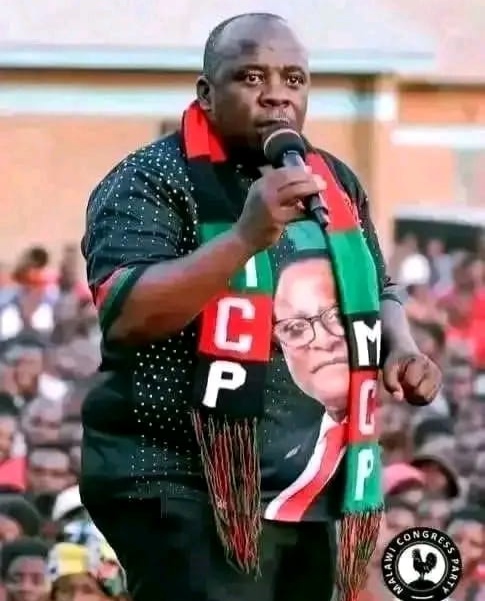
On 16 September, the winds of Malawian politics shifted with unusual force. Campaign trails were crowded not only with politicians but also with familiar faces from civil society and the media—activists, commentators, and journalists who spoke with conviction about change, accountability, and the urgent need to remove Lazarus Chakwera and the Malawi Congress Party (MCP) from power.
At the centre of that momentum stood the Democratic Progressive Party (DPP).
In rallies, press briefings, radio panels, and social media spaces, a rare alignment took shape. Activists framed the election as a rescue mission for democracy. Journalists amplified voices of discontent, interrogated the failures of the incumbent administration, and gave oxygen to opposition narratives. For the first time in years, DPP was not fighting alone; it was buoyed by influential non-party actors who shaped public opinion far beyond party regalia.
The message was clear: MCP must go.
When the votes were cast and the political ground shifted, DPP supporters believed a new chapter had begun—not just for the party, but for the alliance that helped carry the message to the people. There was an expectation, quietly shared in opposition circles, that those who stood with DPP in its darkest hour would continue to stand with it as the country navigated the aftermath of a bruising election.
That expectation did not last.
Silence After the Storm
No sooner had the election dust settled than the alliance began to fracture. Some activists retreated into cautious neutrality. Others resurfaced as sharp critics of DPP, reviving old accusations and distancing themselves from the very movement they had helped energise weeks earlier. Journalists who had relentlessly questioned MCP’s governance failures now trained their spotlight almost exclusively on DPP’s past, often with renewed intensity.
For many within DPP, it felt like betrayal.
“They walked with us to the river,” said one senior party operative, “but when it was time to cross, they disappeared—or worse, they pushed us back.”
Party loyalists argue that this was not principled independence but selective activism: courage when it was fashionable, silence when commitment demanded consistency.
The Other Side of the Argument
Activists and journalists, however, tell a different story. They insist they never belonged to DPP and never promised loyalty—only accountability.
“We stood for change, not for a party,” said one prominent activist. “If DPP wants support, it must earn it daily, not only during elections.”
From their perspective, post-election criticism is not betrayal but proof of independence. Aligning too closely with any party, they argue, would erode the very credibility that made their voices influential in the first place.
A Relationship Built on Convenience
What this episode exposes is a hard truth about Malawian politics: alliances between parties, activists, and journalists are often transactional. They are forged in moments of shared opposition and dissolved when interests diverge.
On 16 September, the common enemy was MCP. Once that objective was achieved, the glue that held the alliance together weakened rapidly.
For DPP, the lesson is bitter but instructive. Civil society and the media can be powerful allies, but they are not foot soldiers. They move with causes, not colours. Expecting permanent loyalty from institutions built on scrutiny may be a fundamental misunderstanding of their role.
Conclusion: Victory Without Trust
The story of 16 September is not just about an election won or lost; it is about trust extended and withdrawn. Activists and journalists stood with DPP to remove Chakwera and MCP from power, but the alliance ended where it began—at the ballot box.
Whether history records this as betrayal or as the inevitable collapse of a convenience pact depends on perspective. What is undeniable is that DPP emerged from the election politically stronger, but strategically wiser: in politics, shared battles do not always produce shared futures.