 Suleman Chitera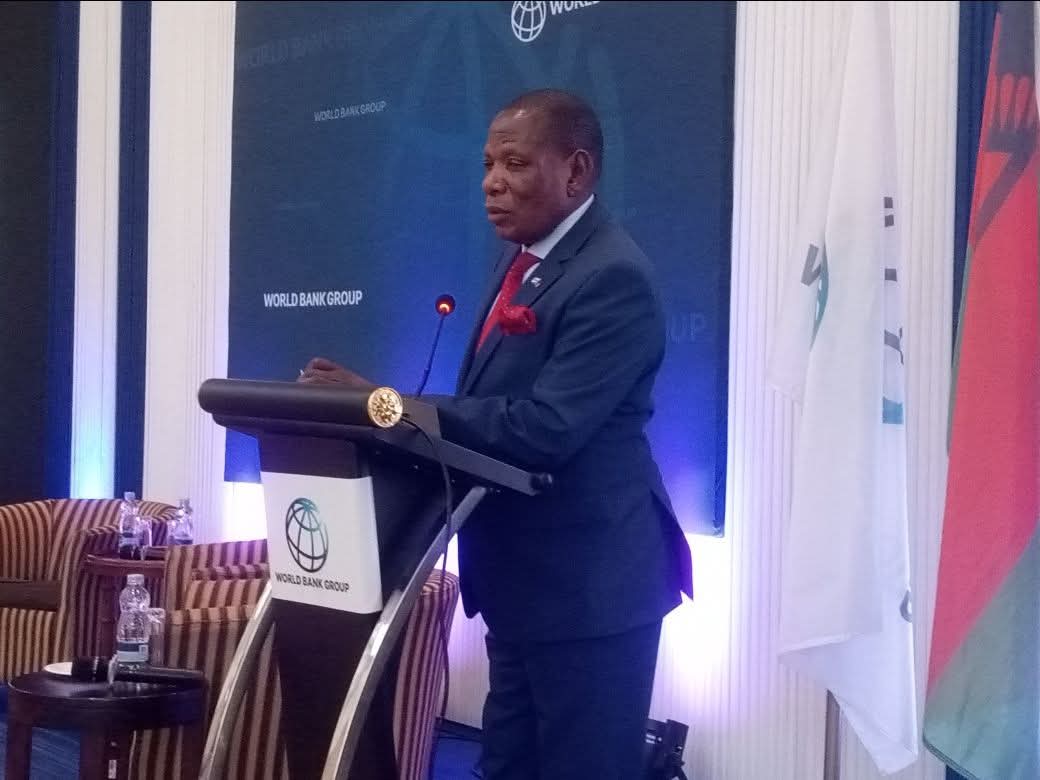
By Suleman Chitera
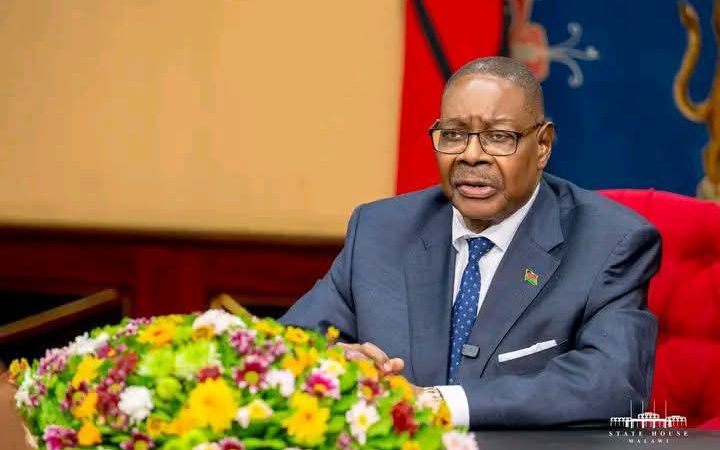
Finance Minister Joseph Mwanamvekha says government will introduce targeted policy measures in the 2026/27 national budget to discourage the export of raw agricultural products, as Malawi seeks to maximise export earnings and ease persistent foreign exchange shortages.
Mwanamvekha said Malawi continues to lose value by exporting unprocessed commodities such as soybeans and pigeon peas, which fetch low prices on international markets, while the country simultaneously grapples with acute forex scarcity. He said shifting towards value addition would help increase export proceeds, create jobs and strengthen the economy.
The minister made the remarks in Lilongwe on Tuesday when he officially launched the latest Malawi Economic Monitor report published by the World Bank, an event he presided over as guest of honour.
He said the forthcoming budget will prioritise incentives for agro-processing, manufacturing and export diversification, alongside disincentives for exporting raw produce, as part of broader structural reforms aimed at boosting productivity and competitiveness.
“We must deliberately move away from exporting raw materials if we are to realise meaningful gains from our agriculture sector. Value addition is no longer optional; it is an economic necessity,” Mwanamvekha said.
Speaking earlier, Deputy Minister of Industrialization, Business, Trade and Tourism Edgar Tembo concurred with the report’s findings that Malawi’s exports have declined over time, warning that without decisive reforms the country risks prolonged economic stagnation.
Tembo stressed the need for policy consistency, improved infrastructure, and a supportive business environment to stimulate industrial growth, expand exports and attract investment. He said strengthening export-oriented industries would be critical in reversing declining trade performance and improving foreign exchange inflows.
The 22nd Malawi Economic Monitor report, titled “Getting Reforms Right,” notes that Malawi’s economic growth is failing to keep pace with rapid population growth, a trend that is eroding living standards. The report calls for urgent reforms to address structural weaknesses, including low productivity, limited diversification and vulnerability to external shocks.
According to the World Bank, sustained reforms in agriculture, industry and trade—anchored on value addition and export competitiveness—are essential if Malawi is to achieve inclusive growth and improve the welfare of its citizens.
Read also: Mumba accepts running mate role with gratitude, enthusiasm and humility
Read also: NGO Coalition Urges Action Against Police Inaction During Violent Protests
Read also: Road Traffic Directorate cracks down on unlawful motorcycle operators in Zomba