The Centre for Democracy and Economic Development Initiatives (CDEDI) has delivered a scathing assessment of the administration of Lazarus Chakwera, branding it Malawi’s “worst mistake” and accusing it of failing to meet the high expectations citizens placed upon it.
CDEDI Executive Director Sylvester Namiwa said the Chakwera-led government fell far short of delivering meaningful economic transformation and governance reforms.
Namiwa made the remarks when asked to compare the former Malawi Congress Party (MCP) administration under Dr. Chakwera with the current Democratic Progressive Party (DPP) government led by Peter Mutharika.
“It would be an insult to President Mutharika to compare the two administrations,” Namiwa said, arguing that the previous government failed to capitalise on the overwhelming public goodwill and reform mandate it received upon taking office.
‘Failed Promise of Change’
According to Namiwa, Malawians had hoped for a decisive break from economic hardship, corruption, and governance inefficiencies. Instead, he contended, the country experienced deepening economic strain, high cost of living, and limited tangible improvements in public service delivery.
He claimed that the Chakwera administration struggled with policy implementation, economic management, and restoring public trust, despite campaigning on a strong reformist agenda.
“The expectations were enormous. Malawians wanted structural change and decisive leadership. What they got was disappointment,” he said.
Caution on Current Administration
Despite his strong criticism of the former government, Namiwa was quick to clarify that his remarks should not be interpreted as an endorsement that everything is currently in order.
He stressed that Malawi continues to grapple with serious socio-economic challenges, including poverty, unemployment, and slow economic growth.
“This does not mean all is well now. The country still faces significant hurdles in uplifting the lives of ordinary citizens,” he added.
Ongoing Debate
The remarks are likely to intensify political debate as stakeholders continue to assess the performance of successive administrations. With economic recovery and governance reforms remaining central to public discourse, comparisons between past and present leadership are expected to shape the national conversation in the months ahead.
CDEDI’s intervention adds to growing civil society commentary scrutinising both former and current governments, underscoring persistent public demand for accountable leadership and measurable economic progress.
Listen to this article By Vincent Gunde Political activist Bon Kalindo, says the ongoing inquiry investigating circumstances surrounding the death of Dr. Saulosi Chilima and eight others, in the Chikangawa… Read more: Kalindo urges Malawians to learn to trust themselves


 Listen to this article By Staff Reporter Kanengo Police Station has arrested four pharmacists from Area 25 Rural Community Hospital in Lilongwe for allegedly stealing 7,150 mosquito nets worth K31… Read more: Four Area 25 Hospital Pharmacists Arrested Over K31 Million Mosquito Net Theft
 Listen to this article By Suleman Chitera FDH Bank plc has donated K100 million ($57 000) to the Department of Disaster Management Affairs (Dodma) to support the repatriation of Malawians… Read more: FDH Bank Donates K100 Million to Support Malawians Fleeing Xenophobic Violence in South Africa
 Listen to this article A dramatic standoff at Mwanza Border Post involving Malawians deported from South Africa has raised serious concerns about the government’s ability to enforce immigration procedures and… Read more: Deportees Defy Border Procedures, Raising Concerns Over State Authority
 Listen to this article By Suleman Chitera Maranatha Academy has reaffirmed its commitment to academic excellence by rewarding outstanding students and dedicated teachers during a special farewell ceremony for Form… Read more: Maranatha Academy Rewards Top Performing Students and Teachers Ahead of MSCE Examinations
 Listen to this article By Vincent Gunde Political activist Bon Kalindo, says the ongoing inquiry investigating circumstances surrounding the death of Dr. Saulosi Chilima and eight others, in the Chikangawa… Read more: Kalindo urges Malawians to learn to trust themselves
 Listen to this article By Suleman Chitera Justice Chifundo Kachale has said Malawi has the capacity to reduce court congestion, ease pressure on prisons and avoid lengthy criminal trials through… Read more: Plea Bargaining Can Ease Court Congestion and Reduce Prison Populations – Kachale
 Listen to this article By Malawi Freedom Network The U.S. vice presidency today operates under the framework of the Twenty-Fifth Amendment, ratified in 1967. Article II, Section 1, Clause 6… Read more: USA Vice Presidency and Political Power Succession Today
 Listen to this article By Vincent Gunde Malawi’s Minister of Information Shadric Namalomba, has told the British Broadcasting Corporation ( BBC) Focus on Africa that the government of President Professor… Read more: Namalomba tells those without papers in South Africa, home bound
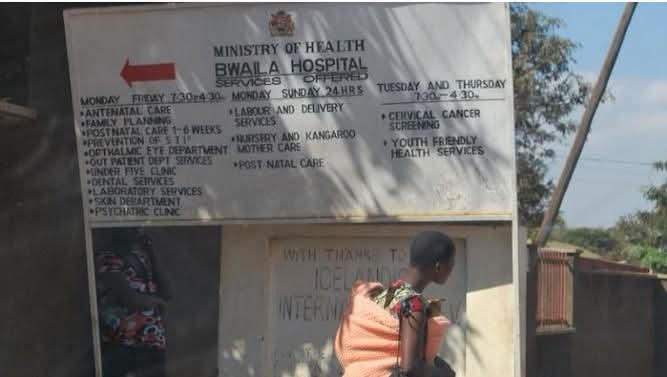 Listen to this article By Staff Reporter Lilongwe, June 22, 2026 — Patients seeking urgent treatment for dog bites at Bwaila Hospital in Lilongwe were left stranded on Monday after… Read more: Patients Stranded at Bwaila Hospital Over Anti-Rabies Treatment Confusion
 Listen to this article By Suleman Chitera LILONGWE, Malawi – The Extraordinary Southern African Development Community (SADC) Ministerial Committee of the Organ on Politics, Defence and Security Cooperation has officially… Read more: SADC Ministers Meet in Lilongwe to Address Regional Security Challenges
 Listen to this article By Suleman Chitera The High Court of Malawi has ruled in favour of prominent businessman Leston Mulli, trading under Zao Marketing Agencies, in a long-running legal… Read more: High Court Rules Against Government in Leston Mulli Business Ban Case
 Listen to this article By Suleman Chitera For the past few weeks, businesses and households across Malawi shared a familiar, frustrating reality: persistent power outages, unannounced blackouts, and the relentless… Read more: ESCOM’s Strategic Push Bringing Stable Power Back to Malawian Homes
 Listen to this article By Suleman Chitera President Peter Mutharika has delegated Second Vice President Enock Chihana to chair the Extraordinary SADC Organ Troika Summit scheduled for June 22, 2026.… Read more: Chihana to Chair SADC Organ Troika Summit on Behalf of Mutharika
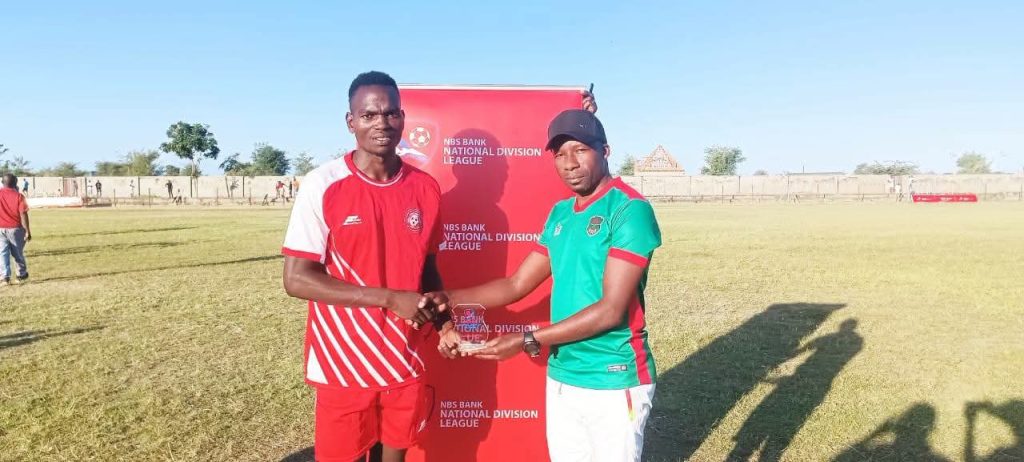 Listen to this article By Suleman Chitera Songwe Border United strengthened their position at the summit of the NBS Bank National Division League after securing an impressive 3-1 victory over… Read more: Songwe Border United Tighten Grip on Top Spot with Convincing Win