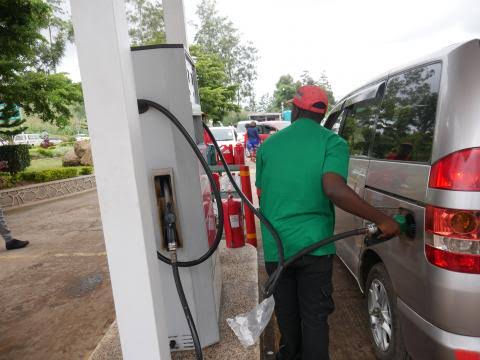
LILONGWE — Malawi is facing mounting economic pressure as fuel prices climb to nearly K7,000 per litre, a development that is rapidly reshaping the cost of living and intensifying concerns over widespread poverty. While five years may seem a short period in governance, the pace at which economic conditions have shifted highlights the urgency of addressing structural challenges affecting ordinary citizens.
Fuel is a critical driver of economic activity, influencing transportation, production, and the distribution of goods and services. The sharp increase in prices has triggered a ripple effect across multiple sectors, pushing up the cost of basic commodities and straining household budgets already under pressure.
Cost of Living Crisis Deepens
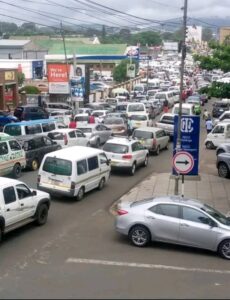
For many Malawians, the impact is immediate and severe. Transport fares have surged, food prices are climbing, and small businesses are struggling to absorb rising operational costs. The result is a steady erosion of purchasing power, with low- and middle-income households bearing the brunt
Economic analysts warn that such sustained increases in fuel prices risk accelerating inflation and deepening inequality. As disposable incomes shrink, more families are being pushed closer to the poverty line, raising fears of a broader social and economic crisis.
Economic Pressures and Structural Challenges
Malawi’s dependence on imported fuel makes it particularly vulnerable to global price fluctuations, foreign exchange shortages, and supply chain disruptions. These structural weaknesses have compounded the current crisis, limiting the country’s ability to cushion consumers from external shocks.
Experts point to several contributing factors, including currency instability, rising global oil prices, and logistical constraints in fuel procurement and distribution. Without addressing these underlying issues, the country may continue to experience recurring price shocks.
Political Implications and Public Trust
Beyond the economic impact, the fuel price surge carries significant political consequences. Public frustration is growing, with citizens increasingly questioning the effectiveness of policy responses and leadership decisions.
Analysts note that when essential commodities become unaffordable, public confidence in governing institutions can quickly erode. The situation underscores the need for transparent communication and decisive action to restore trust and demonstrate accountability.
Calls for Urgent Intervention
Stakeholders are calling for immediate and long-term measures to stabilize the situation. Among the proposed interventions are:
Enhancing efficiency and oversight in the fuel supply chain to minimize unnecessary costs
Strengthening foreign exchange management to ensure stable import capacity
Expanding social protection programs to support vulnerable households
Investing in alternative energy sources to reduce reliance on imported fuel
There is also growing emphasis on the need for coordinated policy responses that balance short-term relief with long-term economic resilience.
As Malawi navigates this challenging period, the coming months will be critical in determining the trajectory of both the economy and public welfare. The fuel price crisis is not merely a financial issue—it is a test of policy effectiveness, institutional strength, and leadership responsiveness.
Without timely and strategic interventions, the risk is clear: deeper poverty, widening inequality, and prolonged economic instability.
For now, Malawians continue to grapple with rising costs, hoping for solutions that will restore stability and protect livelihoods in an increasingly uncertain economic environment