

By Suleman Chitera
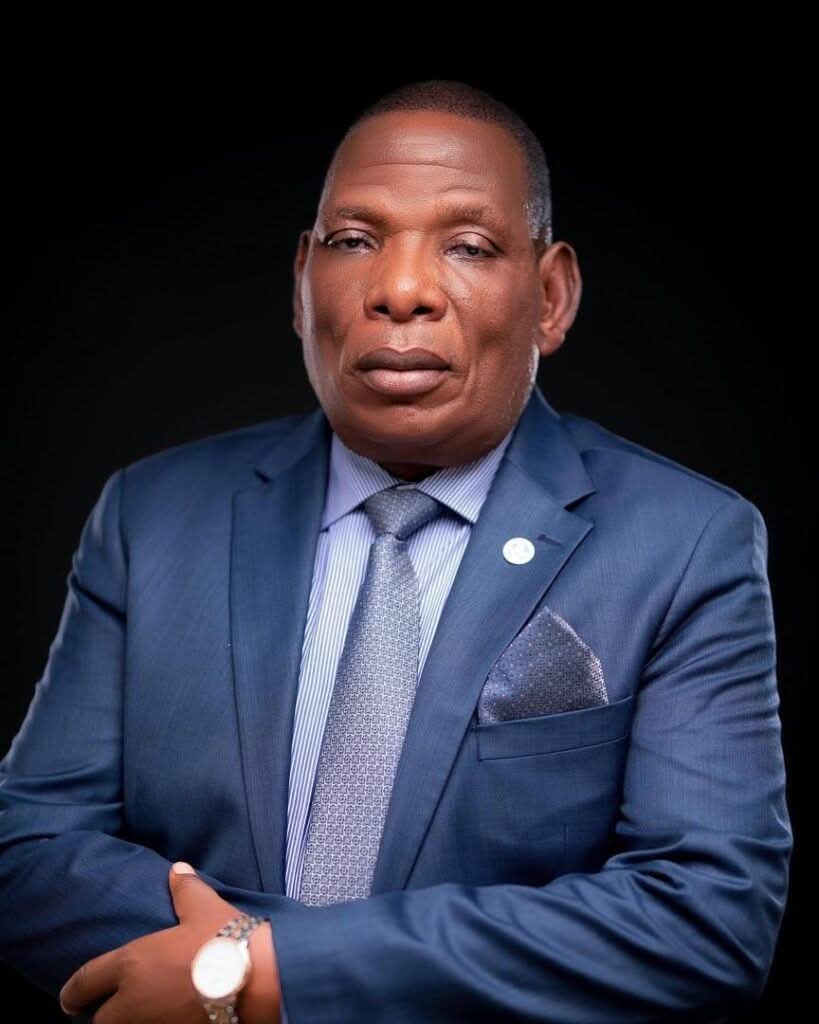
Malawi is set for another critical round of economic negotiations with the International Monetary Fund (IMF) amid growing pressure on the country’s fragile economy, with Minister of Finance, Economic Planning and Decentralization Joseph Mwanamvekha assuring the nation that currency devaluation will not form part of the upcoming discussions.APM Leadership Revitalising the Economy, Says Mwanamvekha
An IMF mission is expected in the country from June 9 to June 18 to begin formal talks on a new Extended Credit Facility (ECF) arrangement — a concessional loan programme designed to support low-income countries facing prolonged economic challenges.
Speaking ahead of the negotiations, Mwanamvekha said the discussions will focus exclusively on policies aimed at restoring macroeconomic stability, easing inflationary pressures, strengthening fiscal discipline and rebuilding confidence in Malawi’s economy.Breaking News: Fuel Price Increase Temporary, Says Analyst Suleman Chitera
The minister’s remarks come at a time when fears of another devaluation of the Malawi Kwacha continue to circulate among businesses and ordinary citizens already struggling with rising costs of living, forex shortages and escalating commodity prices.
Mwanamvekha moved to calm those fears, insisting that devaluation is not on the agenda for the fresh engagement with the IMF.
The upcoming talks carry significant weight for the government as Malawi seeks to restore credibility with international lenders and development partners following the collapse of two successive IMF-supported programmes.Mwanamvekha: The Driving Force Behind Malawi’s Economic Stabilisation
An earlier programme was cancelled in 2020, while another arrangement effectively failed in May 2025 after the country struggled to meet agreed reform targets and macroeconomic benchmarks.
Economic analysts say the new negotiations represent both an opportunity and a major test for the government’s economic management strategy.
Malawi continues to grapple with mounting public debt, persistent foreign exchange shortages, high inflation and reduced donor confidence — challenges that have heavily affected businesses, imports and household incomes.Mwanamvekha Hails World Bank’s Nathan Belete for Transformative Support to Malawi Development Projects
The country has also faced repeated external shocks in recent years, including the effects of cyclones, global fuel price increases and declining agricultural productivity, factors that have further weakened economic recovery efforts.
A successful IMF agreement could potentially unlock broader international financial support and improve investor confidence, but experts caution that the programme may still require difficult fiscal reforms and tighter expenditure controls.How Malawi’s Gold Is Allegedly Flowing Into Israel Through Smuggling Networks
The IMF-backed ECF programme is typically aimed at helping countries restore economic stability while promoting sustainable growth and poverty reduction through long-term structural reforms.
For many Malawians, however, the immediate concern remains whether the fresh talks will translate into tangible economic relief, stable prices and improved access to foreign currency in the months ahead.Israeli National Nir Gess Under Fire Over Misleading Claims on Malawian Children’s Heart Surgeries
MALAWI
FREEDOM
NETWORK
United for Freedom, Justice and a Better Malawi
Airtel Money
0994095804
Mpamba
0881428759
FDH Bank
Acc No:
1400000670385NBS Bank
Acc No:
10118988Thank you for your support!