
Opinion By Suleman Chitera
A case filed in 2005. A judgment delivered in 2025. Twenty years in the corridors of justice.
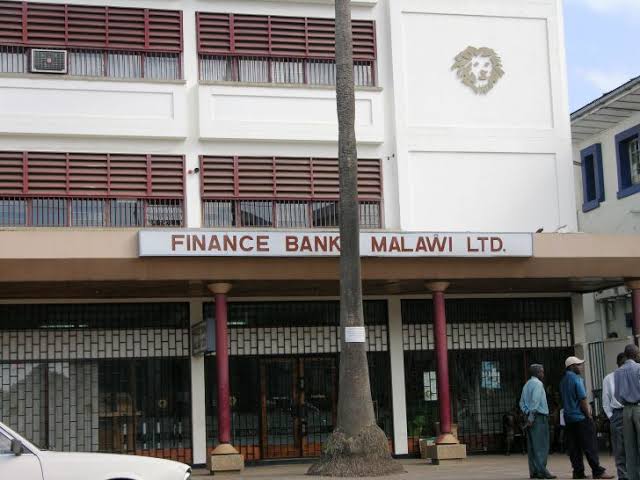
The Finance Bank matter is not just a legal dispute—it is a national indictment of a system that appears comfortable with delay, procedural gymnastics, and costly indecision. Now that a ruling has been made requiring payment covering the entire 20-year period, the unavoidable question is this: who allowed this case to drag on for two decades?
Justice delayed is justice denied. That principle is not abstract. It is economic. It is political. And it is moral.
For 20 years, this matter sat in the judicial pipeline. Judges were transferred. Lawyers changed. Adjournments were granted. Appeals were filed. Processes were challenged. Technicalities were raised. But throughout that period, the financial implications of delay continued to accumulate—interest, penalties, opportunity costs.
If the court has now ruled that Finance Bank must be compensated across the 20-year span, it means time was not neutral. Time had a price. And that price will ultimately be borne by someone—very likely the taxpayer.
The critical question is not simply who won or lost. The deeper issue is systemic accountability.
Was the delay caused by deliberate litigation strategy—prolonging proceedings to exhaust the other party?
Was it institutional inefficiency—case backlogs, understaffing, administrative failures?
Was it political interference—quiet pressure to stall an inconvenient decision?
Or was it a combination of all three?
In high-value commercial disputes, delay is often a tactic. The longer a matter remains unresolved, the more leverage shifts. Evidence weakens. Witnesses disappear. Economic conditions change. Governments change. Officials retire. Institutional memory fades.
Twenty years is not a backlog problem. It is structural failure.
If the state was a party to this matter, then public institutions must answer: why did it take two decades to reach finality? If Finance Bank was owed payment, why was it not resolved earlier to prevent compounded liability? If the state believed it had a strong defense, why did it not expedite adjudication?
Every adjournment has a record. Every appeal has a file. Every procedural delay has a signature attached to it.
Transparency demands disclosure:
- How many judges handled this file?
- How many adjournments were granted?
- How many appeals were filed?
- How much has the financial liability grown due to the delay?
- Who approved litigation strategy over those 20 years?
The public deserves a full procedural audit.
This is not about attacking the judiciary. It is about strengthening it. Commercial certainty depends on predictable, timely dispute resolution. Investors examine case timelines. Financial institutions assess judicial efficiency. When a commercial case spans two decades, confidence erodes.
Malawi cannot afford a justice system where time becomes a financial weapon.
If a ruling now requires payment for 20 years, then those years were not empty—they were expensive. And someone must account for why the clock was allowed to run.
Because when justice takes 20 years, it is no longer merely delayed. It becomes a national cost.
The Finance Bank case should not end with a judgment. It should trigger reform.