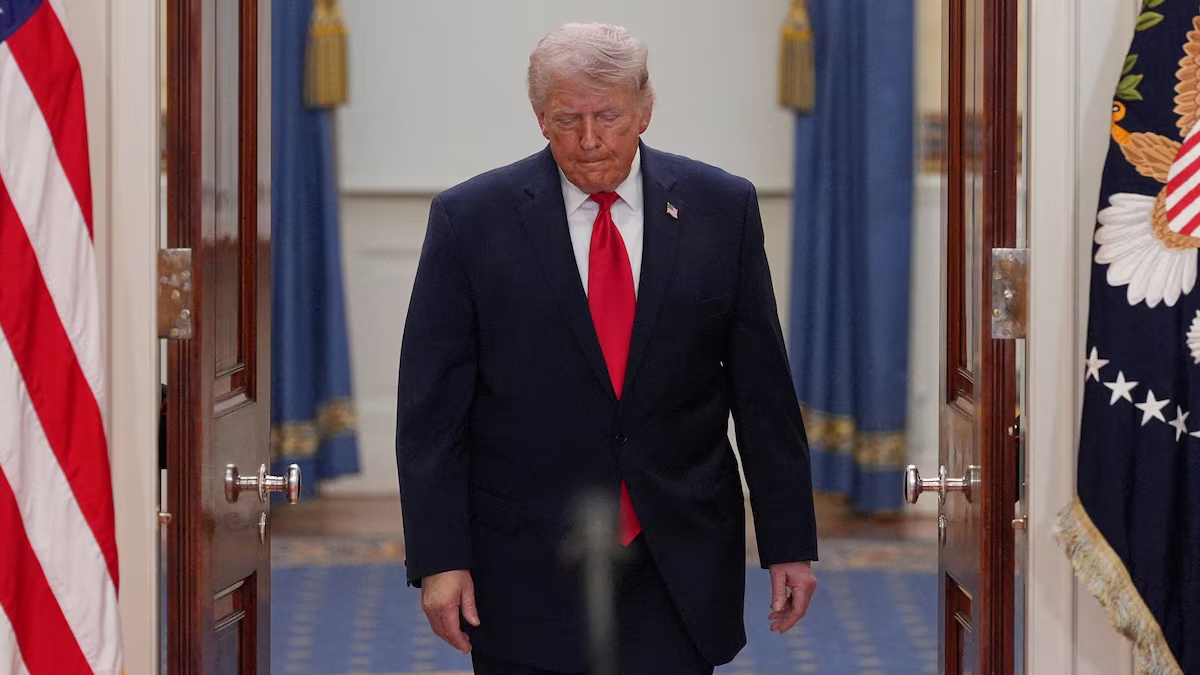
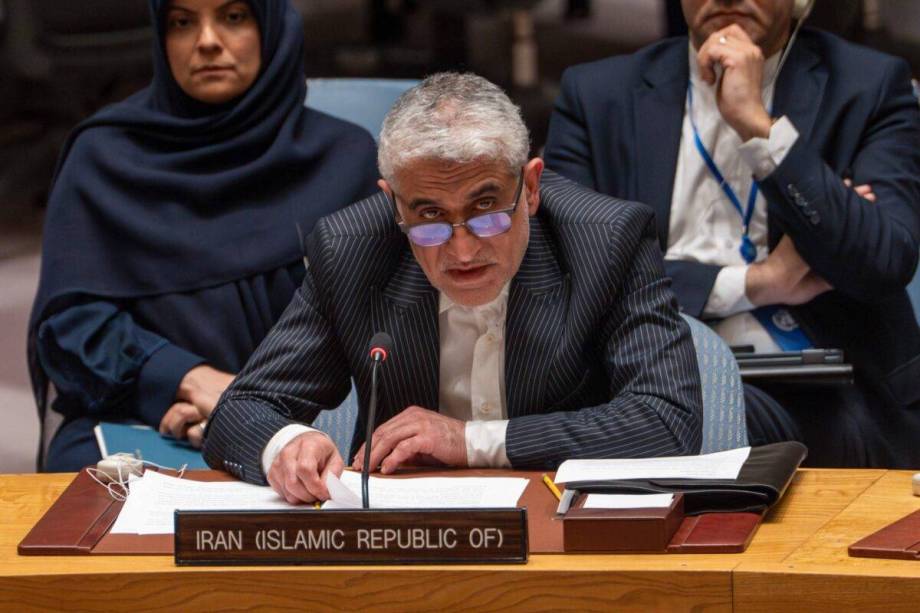
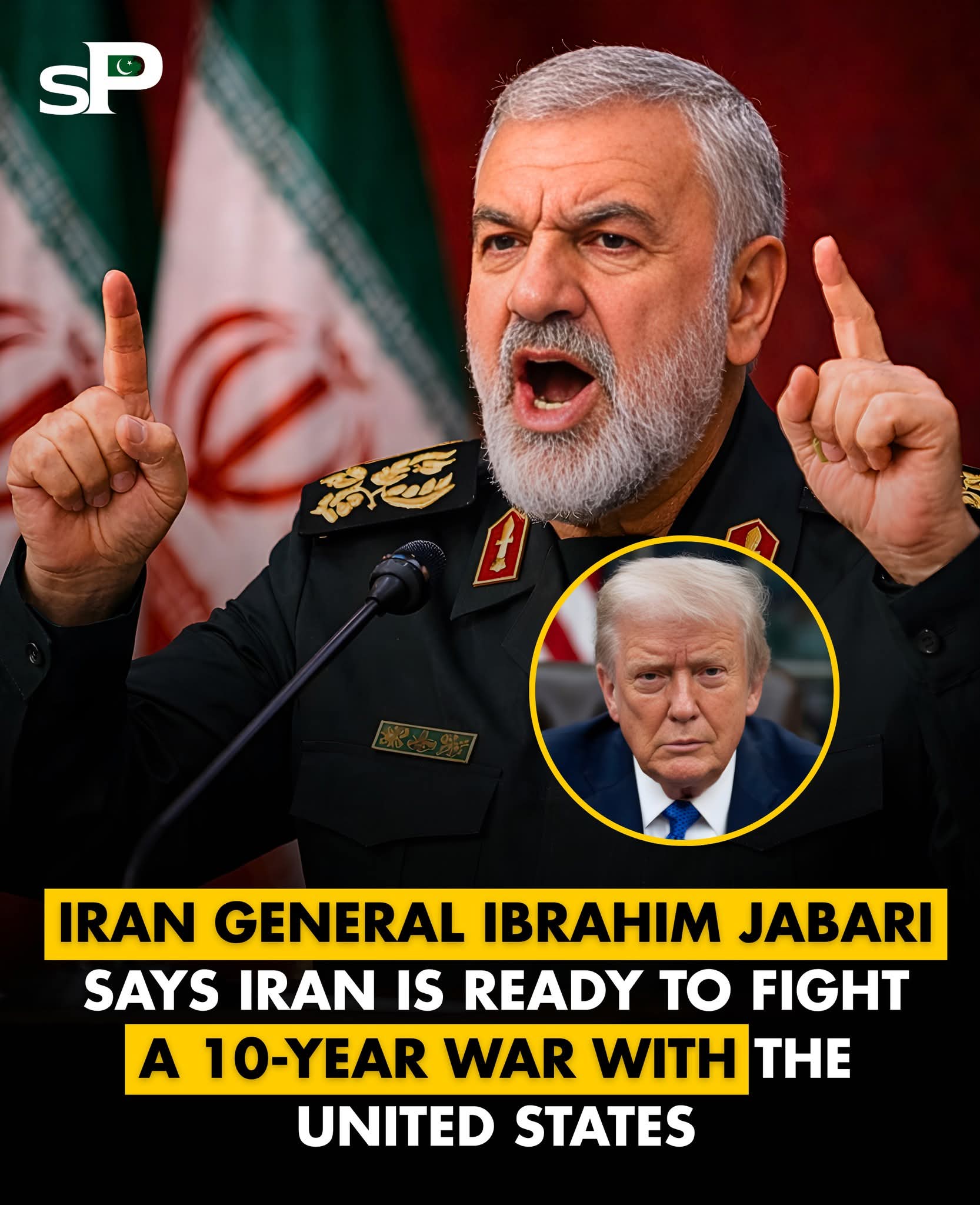
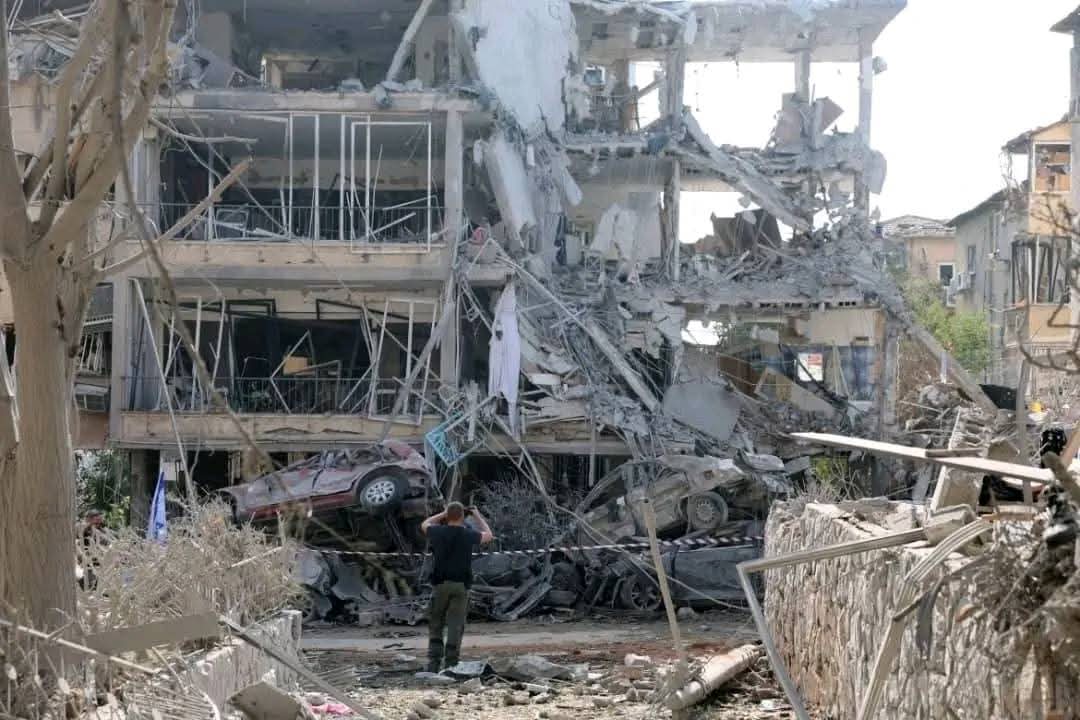
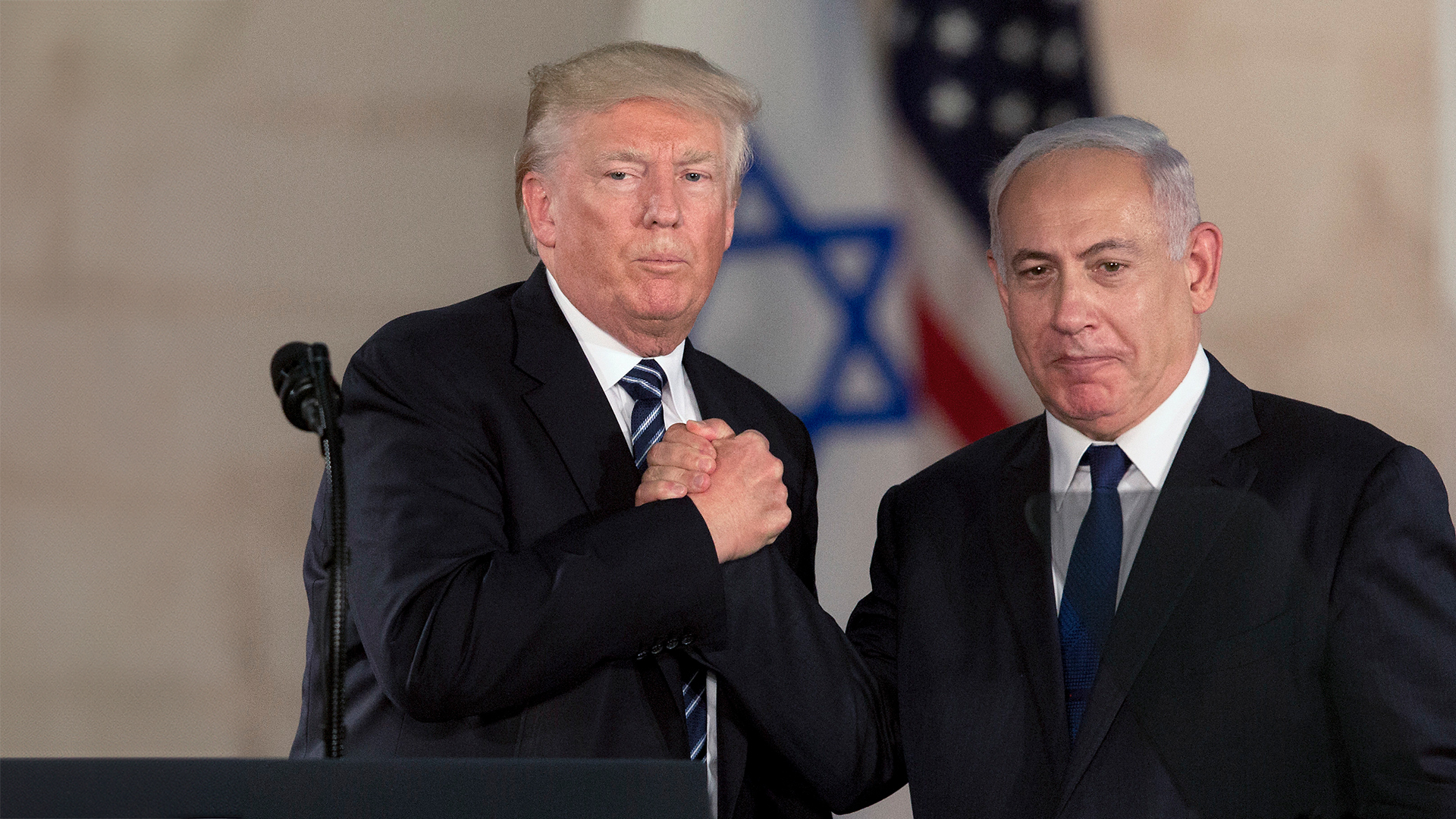
The United States is now pushing for a ceasefire with Iran — but the timing is raising a brutal question: is Washington seeking peace, or covering up a war it is failing to win?
After weeks of relentless airstrikes, military posturing, and bold rhetoric, the sudden shift to diplomacy signals a strategic reality that can no longer be ignored. The battlefield has not delivered the decisive victory the US promised. Instead, it has exposed limits — military, economic, and political.
From “Total Pressure” to Urgent Negotiations
At the start of the conflict, US leadership projected confidence, vowing to cripple Iran’s military strength and force it into submission. That narrative has now collapsed under the weight of unfolding events.
Iran has not only absorbed the attacks — it has responded. Its ability to sustain counter-pressure, both militarily and economically, has disrupted expectations of a quick or controlled victory. The war has dragged on longer than anticipated, with no clear breakthrough.
Now, Washington is calling for a ceasefire.
Not after victory. Not after dominance.
But in the middle of uncertainty.
Iran Holds the Pressure Points
The biggest miscalculation appears to be underestimating Iran’s leverage. The country sits at the center of one of the world’s most critical oil routes — the Strait of Hormuz — and has shown it can shake global markets without firing a single decisive shot.
That leverage has translated into negotiating power.
Instead of being cornered, Iran has forced the US and its allies into a position where continued escalation carries serious global economic consequences. Oil prices, shipping risks, and regional instability have all become bargaining chips — and Tehran knows it.
Ceasefire Signals Strategic Strain
A ceasefire is often framed as a step toward peace. But in war, timing is everything.
You don’t pause when you are winning decisively.
You pause when the cost of continuing becomes too high.
For the US, that cost is mounting:
Prolonged military engagement with no clear end
Rising global economic backlash
Growing international criticism
Increased risk of a wider regional war
The ceasefire, therefore, looks less like a calculated victory and more like a necessary reset.
War Without Results
The original goals of the war were ambitious — weaken Iran’s military capability, dismantle its strategic influence, and force compliance on key geopolitical issues.
But weeks into the conflict:
Iran remains operational and defiant
Its regional influence is intact
Its ability to retaliate has not been neutralized
If anything, the war has hardened positions rather than breaking them.
A Dangerous Reality
This is no longer a one-sided show of force. It is a standoff.
And in a standoff, perception matters.
Right now, the perception is shifting — from US dominance to strategic overreach.
That is why the ceasefire matters. Not as a peace milestone, but as a signal that the war has entered a phase where brute force alone cannot deliver results.
The Bottom Line
The US is not openly admitting defeat — but its actions are speaking loudly.
When a superpower that promised decisive results suddenly pivots to negotiations, the message is clear: something is not going according to plan.
Call it strategy. Call it diplomacy.
But on the ground, and in the balance of power, the truth is harder to ignore:
This is a war the United States is struggling to control — and the ceasefire may be its clearest sign yet.
By Suleman Chitera Lilongwe—Democratic Progressive Party (DPP) leader and former president Arthur Peter Mutharika has officially announced former Malawi Electoral…
To provide the best experiences, we use technologies like cookies to store and/or access device information. Consenting to these technologies will allow us to process data such as browsing behavior or unique IDs on this site. Not consenting or withdrawing consent, may adversely affect certain features and functions.
Functional
Always active
The technical storage or access is strictly necessary for the legitimate purpose of enabling the use of a specific service explicitly requested by the subscriber or user, or for the sole purpose of carrying out the transmission of a communication over an electronic communications network.
Preferences
The technical storage or access is necessary for the legitimate purpose of storing preferences that are not requested by the subscriber or user.
Statistics
The technical storage or access that is used exclusively for statistical purposes.The technical storage or access that is used exclusively for anonymous statistical purposes. Without a subpoena, voluntary compliance on the part of your Internet Service Provider, or additional records from a third party, information stored or retrieved for this purpose alone cannot usually be used to identify you.
Marketing
The technical storage or access is required to create user profiles to send advertising, or to track the user on a website or across several websites for similar marketing purposes.