
 Suleman Chitera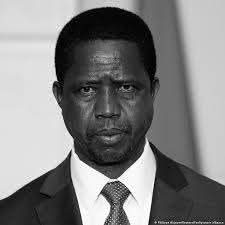
By Suleman Chitera
The Zambian government has escalated its confrontation with the family of former President Edgar Chagwa Lungu, seizing a vast portfolio of assets even as a bitter dispute over his burial continues to stall the repatriation of his remains from South Africa.
In a landmark ruling, a Zambian court ordered the forfeiture to the state of properties linked to the Lungu family, declaring them to have been illegally acquired. The assets include 79 motor vehicles, 25 houses, a filling station, and several commercial buildings, some of them double-storey structures in prime locations. The decision represents one of the most sweeping post-presidency asset seizures in Zambia’s history.
Government officials have framed the ruling as a victory for the rule of law and a signal that no one—past presidents included—is above scrutiny. Supporters argue that the judgment reflects long-standing public concerns about unexplained wealth accumulated during Lungu’s time in office and is consistent with President Hakainde Hichilema’s anti-corruption agenda.
However, critics see a different picture. They accuse the government of weaponising the courts to settle political scores, warning that the aggressive pursuit of the former first family risks deepening national divisions and undermining confidence in state institutions. The Lungu family has maintained that the seized assets were lawfully acquired and has indicated it will continue to challenge the ruling through legal channels.
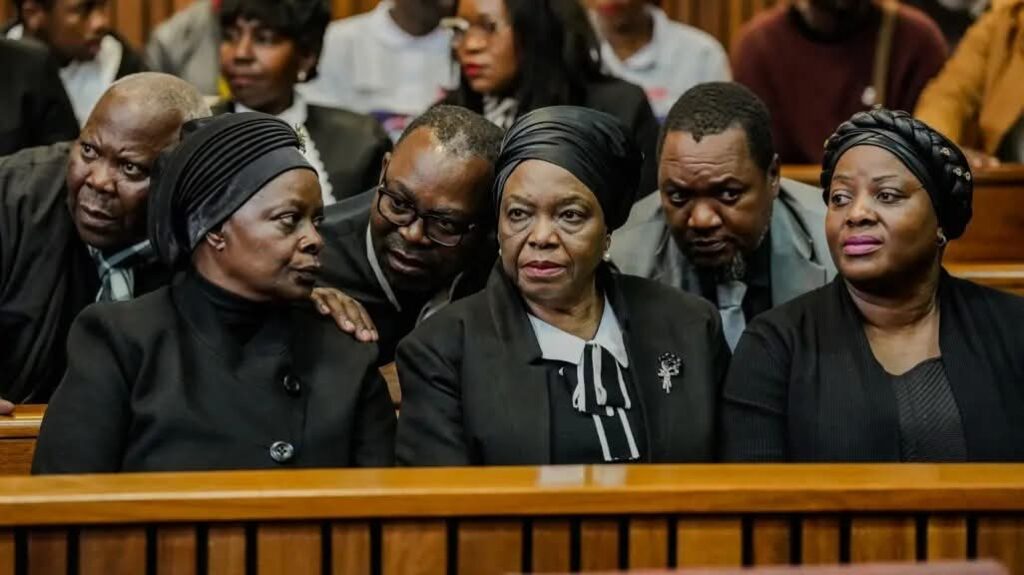
The asset seizure is unfolding alongside a separate and emotionally charged standoff over Lungu’s burial. Following his death in June 2025, the family opted for a private burial in Johannesburg, South Africa. The Zambian government opposed the move, insisting that a former head of state must be repatriated and accorded a state funeral on Zambian soil.
The dispute quickly spilled into South African courts. While initial rulings largely favoured the Zambian government’s position, the family lodged appeals that have prolonged the process. Months later, Lungu’s body remains in South Africa, an unresolved symbol of the deep rift between the state and the former president’s relatives.
Taken together, the asset forfeiture and the burial impasse have exposed raw tensions over power, legacy, and justice in post-Lungu Zambia. Beyond the immediate legal battles, the saga has ignited a broader national debate: how should African states treat former leaders once they leave office, and where should the line be drawn between accountability and political retribution?
As the courts continue to arbitrate both disputes, Zambia finds itself confronting not only the legacy of Edgar Lungu, but also the character of its own democracy and commitment to the rule of law.