By Aubrey Thom Vakhani
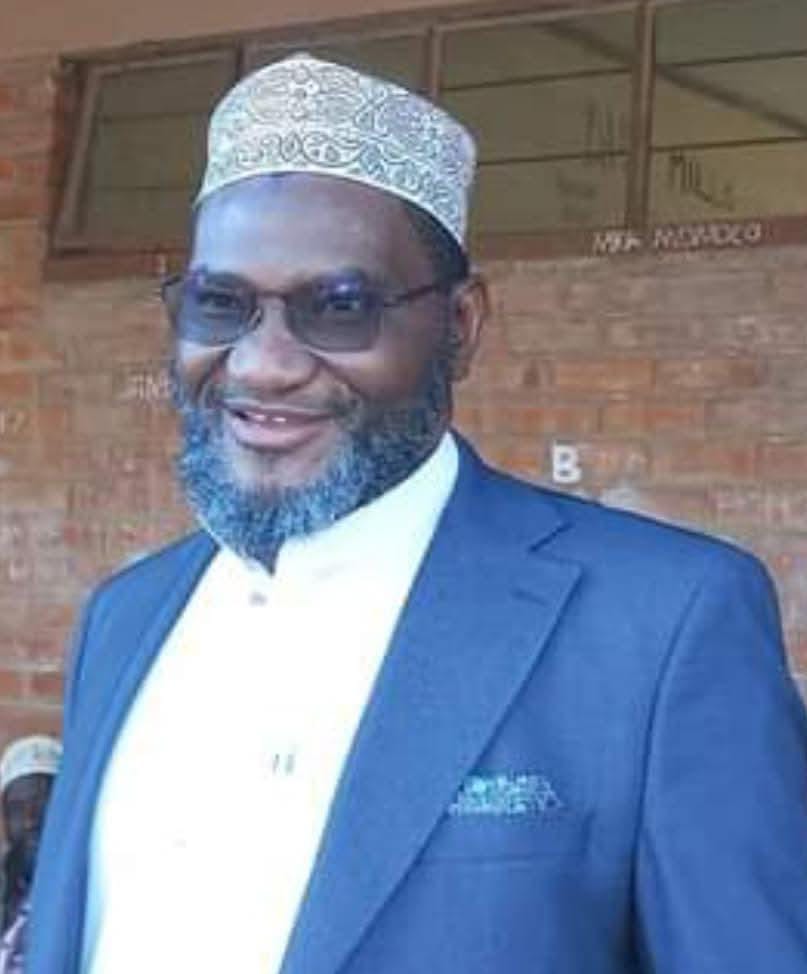
Muslim Association of Malawi (MAM) National Chairman, Sheikh Idrissa Muhammad has urged Muslims in the country to maximise their prayers and seek forgiveness from Allah during the holy month of Ramadan.
In his Ramadan message, Sheikh Muhammad encouraged Muslims to engage in charitable acts, such as giving to those in need.
“Dear brothers and sisters, I wish you all the best as we begin fasting in this holy month of Ramadan. Let’s fast as our Islamic teachings guide us, be loving to one another, and share what little we have with those who don’t have,” said Muhammad.
He added: “Let’s share the little we have with the needy. Remember, Prophet Muhammad [peace and blessings of Allah be upon him] taught us that whoever feeds a person breaking his fast will earn the same reward as him, without anything being lessened from the reward of the fasting person. Let’s also read the Holy Qur’an and engage in other good deeds. It pleased Allah to multiply rewards in this month [of Ramadhan].
“This is also the good timing to pay Zakat (alms-giving) so that multiple rewards should be rewarded by Allah to those who will pay Zakat. We should remember that we are on this earth temporarily as we proceed to the hereafter. Therefore, we have to prepare for life after death by engaging ourselves in good deeds.”
Sheikh Muhammad encouraged Muslims to make the most of Ramadan, as it’s a month of great blessings.
“There are a number of good deeds Muslims can involve themselves in with an aim of seeking Allah’s pleasure. We never know this could be our final Ramadan to observe. There are a lot of people who were willing to reach this Holy month but they are no longer with us. We even attended their funeral ceremony. Therefore, as Muslims, let us use this opportunity to fast sincere as well as pray hard,” appealed Muhammad.
Ramadan is the fourth pillar of Islam after the declaration of faith (Shahada), prayers (Salat) and alms-giving (Zakaat). The final and fifth one is pilgrimage (Hajj) to the Holy City of Makkah (Mecca) for able Muslims in terms of financial muscle and sound health.
It’s also a ninth month in the Islamic calendar in which the Qur’an was revealed to Prophet Muhammad.
“The month of Ramadhan in which Qur’an was revealed was sent down, the direction for the people and guidance and clear signs of judgement: that who-so of you finds this month, necessarily he should fast in it,” reads in part Surah Al-Baqarah (Qur’an 2) verse 185.
Fasting from dawn to sunset is obligatory for all adult Muslims who are not acutely or chronically ill, traveling, elderly, breastfeeding or menstruating among other restrictions.
“O believers! Fastings have been made obligatory upon you as were made obligatory upon those before you, so that you become pious,” reads Qur’an Chapter 2:183.
It adds in verse 184 of the same chapter: “The days are counted. Then who-so among you is ill or on journey then some number of fastings in other days, and those who have no strength, they should give a ransom meal to a needy: then who-so do as more good voluntarily, then that is better for him, and fasting is better for if you know.”
The spiritual rewards of fasting (thawab) are believed to be multiplied during Ramadan as Prophet Muhammad stated: “Every good deed of the son of Adam will be multiplied manifold. A good deed will be multiplied ten times up to as many as seven hundred times, or as much as Allah wills.”
Accordingly, Muslims refrain not only from food and drink between dawn and sunset, but also sinful behaviors whether day or night, instead they devote themselves to prayer and recitation of the Qur’an among other good deeds.
According to Islam, Shaytwan (Satan) is chained the whole month of Ramadan, the doors of jahannama (hellfire) close and those of jannah (paradise) are wide open.
Prophet Muhammad in one of his hadith (sayings) said: “Whosoever observes fasts during the month of Ramadan out sincere faith and hoping to attain Allah’s rewards, then all his past sins will be forgiven.”
Ramadan is divided into three parts of ten days each. The first ten days are of mercy, the second ones are of forgiveness and the last ten are freedom from hellfire.
This year’s fasting in the month of Ramadan commenced on Thursday February 19, 2026 following the sighting of the new moon which marked the start of the month of Ramadan, and Muslims are expected to fast for either 29 or 30 days depending on the sighting of the new moon of Shawwal on either March 19 or 20, 2026.