 Malawi Freedom Network
By Suleman Chitera
Renowned lawyer Alexious Kamangila has launched a blistering attack on government’s fiscal direction, warning that introducing new taxes would amount to “economic cruelty” against citizens already suffocating under financial pressure.
Kamangila says Malawi does not need new taxes — it needs a functioning revenue system.
In a sharply worded critique, he accused authorities of repeatedly taking the easy route of taxing compliant citizens while ignoring glaring inefficiencies within the Malawi Revenue Authority (MRA).
“Before burdening struggling households and businesses with new levies, government must first seal the massive leakages within its own system,” Kamangila argued.
Stop Punishing the Compliant
According to Kamangila, billions of kwacha are lost annually through tax evasion, under-declaration, smuggling, and weak enforcement — yet the default response from Treasury is to widen taxation instead of tightening compliance.
He insists the country can generate sufficient public funds by:
- Closing enforcement loopholes
- Cracking down on high-level tax evaders
- Digitizing and strengthening compliance systems
- Widening the existing tax base without raising rates
“Why introduce new taxes when what is already due to government is not being collected?” he demanded.
Kamangila warned that increasing taxes in a fragile economy risks shrinking consumer spending, weakening small businesses, and driving more activity into the informal sector.
“Loopholes Were Created for Corruption”
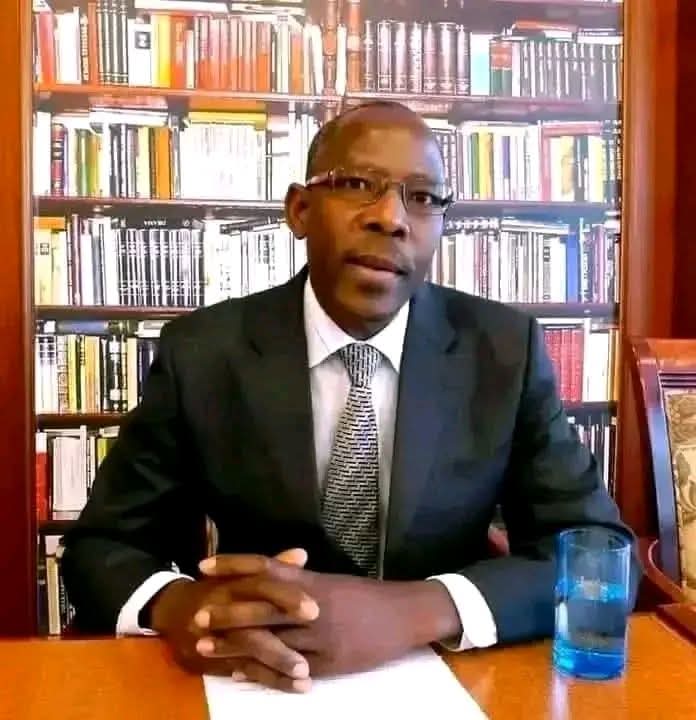
Adding fuel to the fire, governance expert Dr. George Chaima alleged that some gaps in the tax system were deliberately created to facilitate corrupt revenue-sharing schemes.
Chaima claimed that selective enforcement allows politically connected individuals and corporations to underpay while ordinary citizens shoulder the burden.
“When systems leak, someone benefits,” Chaima said. “You cannot convince Malawians that all these loopholes are accidental.”
His remarks raise serious governance concerns and suggest the issue may not merely be inefficiency — but institutional compromise.
A System Under Scrutiny
The mounting criticism places the spotlight squarely on the MRA’s operational integrity and government’s broader fiscal strategy.
Economic analysts warn that persistent reliance on new taxes reflects structural weakness in revenue administration. Instead of building a broader, more compliant tax base, authorities appear to be squeezing those already within the system.
For Kamangila, the solution is straightforward: fix enforcement before expanding taxation.
“Government must demonstrate discipline and accountability. Citizens cannot continue financing inefficiency,” he said.
Fiscal Justice or Fiscal Exploitation?
With households battling rising living costs and businesses struggling with cash flow constraints, the debate is no longer technical — it is political and moral.
Kamangila’s position is uncompromising: until revenue leakages are decisively addressed, any new tax proposal will be viewed as punishment for administrative failure.
As pressure builds, the question confronting policymakers is stark — reform the system, or risk eroding public trust even further.
Read also: Defenders Group questions opposition parties silence over Smartmatic machine
Read also: Bushiri Pledges Support for Football Development in Ntcheu
Read also: Simplex Chithyola Banda: A Political Icon Redefining Opposition Leadership