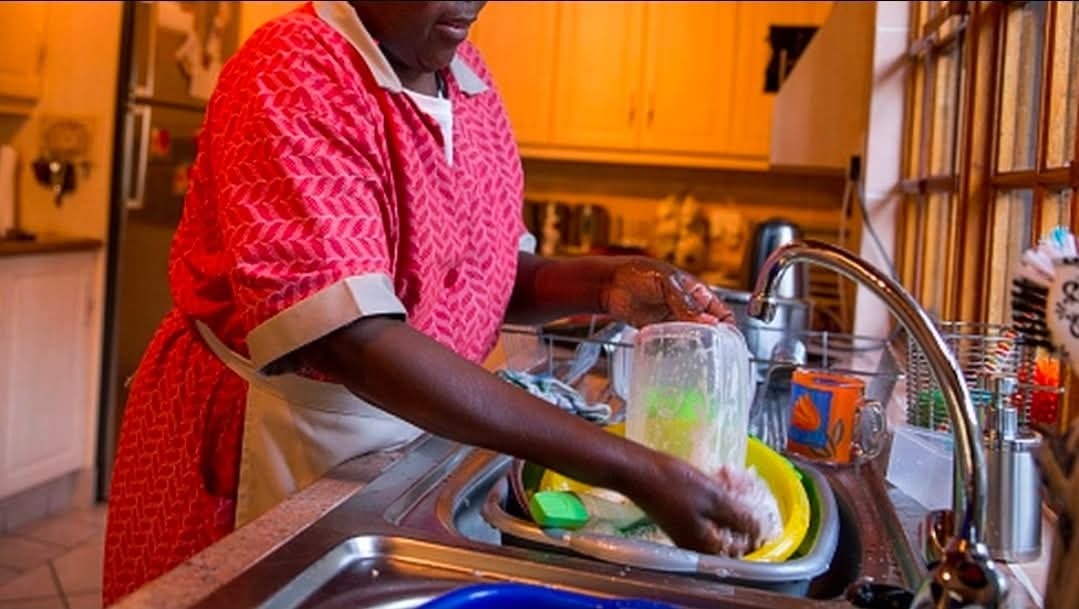
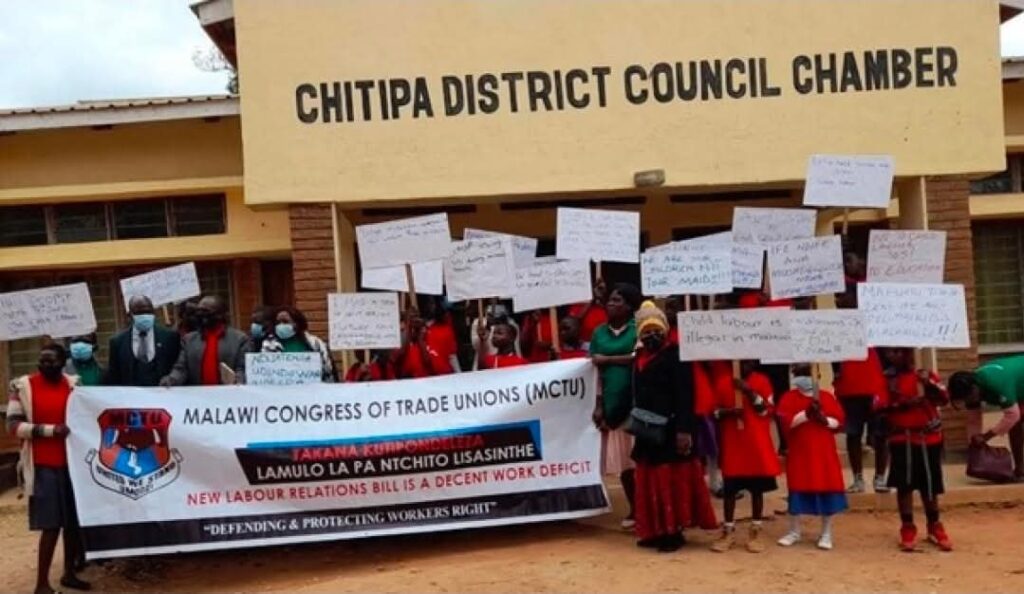
LILONGWE, MALAWI — The Malawi Congress of Trade Unions (MCTU) has intensified calls for a substantial upward revision of the minimum wage for domestic workers, proposing an increase from K126,000 to K250,000 per month in response to rising living costs.
The proposal, submitted to the Ministry of Labour and Skills Development, has ignited debate among labour stakeholders, with employers cautioning against what they describe as an economically disruptive adjustment.
Workers’ Welfare Under Pressure
MCTU argues that the current wage framework is no longer aligned with prevailing macroeconomic conditions. The union contends that persistent inflation, escalating food prices, increased transport costs, and higher utility tariffs have significantly eroded purchasing power, leaving domestic workers unable to meet basic subsistence requirements.
According to labour representatives, domestic workers remain among the most vulnerable segments of the workforce, often operating without robust contractual protections, social security coverage, or bargaining leverage. MCTU maintains that revising the minimum wage to K250,000 would partially restore real income value and improve living standards.
Union officials further argue that maintaining the existing wage risks deepening income inequality and perpetuating working poverty, particularly in urban and peri-urban areas where the cost of living has sharply increased.
On the other side of the debate, the Employers Consultative Association of Malawi (ECAM) has advised a phased approach. The association has proposed a 25 percent increment instead of the nearly 95 percent adjustment sought by MCTU.
ECAM warns that a near doubling of wages could impose unsustainable financial pressure on households employing domestic workers. Unlike corporate employers, many domestic employers are private individuals whose incomes have also been constrained by economic headwinds.
The association has cautioned that an abrupt increase could trigger unintended consequences, including job losses, reduced hiring, or informal arrangements that may undermine compliance altogether.
The wage debate unfolds against a backdrop of broader economic challenges. Malawi continues to grapple with inflationary pressures, foreign exchange shortages, and rising import costs, all of which have contributed to increased prices of essential commodities.
Labour analysts note that minimum wage adjustments must balance two critical variables: protecting workers’ real income and preserving employment levels. A steep increase, while beneficial to those retained in employment, could potentially shrink the domestic labour market if employers downsize.
Conversely, incremental adjustments risk lagging behind inflation, thereby failing to deliver meaningful relief to workers.
Government’s Position Pending
The Ministry of Labour and Skills Development has yet to issue a formal determination. As the statutory authority overseeing wage policy, the Ministry is expected to consult widely before announcing its final position.
Stakeholders anticipate that the decision will consider inflation data, household income trends, labour market absorption capacity, and overall macroeconomic stability.
Broader Implications
The ongoing discussions reflect a wider national conversation about wage policy, social protection, and economic resilience. At its core, the dispute underscores the tension between labour rights and affordability in a fragile economy.
For domestic workers, the outcome could significantly affect household livelihoods. For employers, the decision will influence labour costs and hiring practices.
The government’s eventual ruling is likely to set an important precedent for future wage negotiations across other sectors of the economy.