
 Suleman Chitera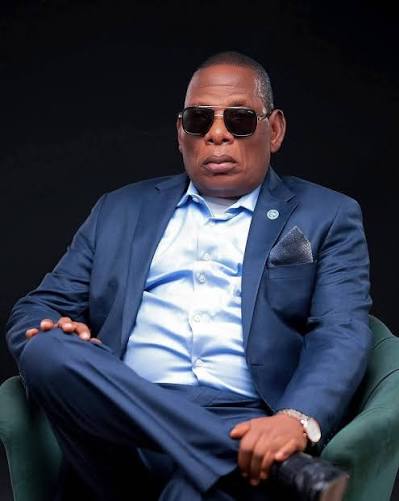
By Suleman Chitera
Malawi’s economic trajectory has become a subject of renewed political and policy debate, with supporters of Finance Minister Joseph Mwanamveka crediting him with stabilizing and reviving what they describe as a “sick, bedridden economy” inherited from the administration of former president Lazarus Chakwera under the Malawi Congress Party (MCP).
A Troubled Economic Inheritance
When Mwanamveka assumed stewardship of Malawi’s public finances, the macroeconomic environment was widely characterized by high inflationary pressure, a weakening local currency, mounting public debt, and declining investor confidence. Critics of the previous administration argue that fiscal indiscipline, policy inconsistency, and weak expenditure controls had eroded economic stability.
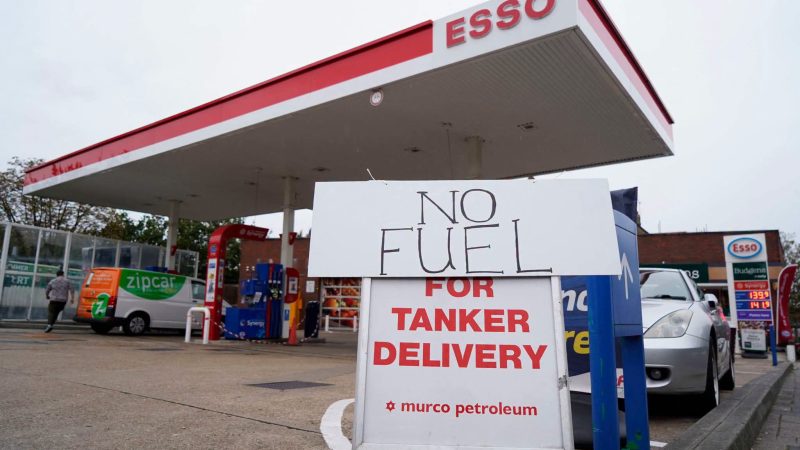
Key indicators—such as forex shortages, rising cost of living, and constrained industrial productivity—painted a picture of an economy under severe stress. Business leaders frequently cited unpredictability in fiscal policy and delayed payments to suppliers as major impediments to growth.
Mwanamveka’s Economic Interventions
Supporters point to Mwanamveka’s technocratic approach as a turning point. His policy framework has centered on fiscal consolidation, revenue mobilization, and restoring credibility with international financial institutions.
Among the measures frequently highlighted:
- Tightened Public Expenditure Controls: Introduction of stricter budget discipline aimed at reducing wasteful spending and curbing deficit financing.
- Debt Restructuring Efforts: Engagement with multilateral lenders to restructure unsustainable debt and improve liquidity.
- Revenue Enhancement Strategies: Strengthening tax administration to widen the revenue base without excessively burdening low-income households.
- Private Sector Confidence Building: Reforms intended to create a predictable business environment, encouraging both domestic and foreign investment.
These interventions, proponents argue, have begun to yield measurable results, including improved fiscal balance and gradual stabilization of the kwacha.
Restoring Confidence and Stability
Perhaps Mwanamveka’s most significant achievement, according to his backers, has been restoring confidence—both locally and internationally. Engagements with institutions such as the IMF and World Bank have reportedly improved, signaling renewed trust in Malawi’s economic governance.
Domestically, sectors such as agriculture, energy, and small-scale manufacturing have shown early signs of recovery, although challenges remain. Market sentiment, while still cautious, has reportedly shifted from pessimism to guarded optimism.
Political Contestation and Narrative Battle
The narrative surrounding Malawi’s economic recovery remains deeply contested. While Mwanamveka’s supporters frame him as an “economic engineer” who rescued a failing system, critics argue that structural challenges persist and question the sustainability of current gains.
They also contend that global economic shocks—not solely domestic policy failures—played a significant role in Malawi’s earlier downturn, urging a more balanced assessment of the previous administration’s record.
The Road Ahead
Despite claims of recovery, Malawi’s economy continues to face structural vulnerabilities: dependence on agriculture, exposure to climate shocks, and limited industrial diversification. Long-term resilience will depend on sustained reforms, institutional strengthening, and inclusive growth strategies.
Still, within political and economic circles aligned with the current leadership, Mwanamveka’s role is increasingly framed as pivotal—a technocrat credited with pulling Malawi back from the brink and laying the groundwork for recovery.
Whether this narrative holds under continued scrutiny will depend not on rhetoric, but on the durability of economic gains in the months and years ahead.