The rising cost of fuel in Malawi has once again triggered public debate on salary disparities and the widening gap between public sector wages and the cost of living, with teachers emerging as some of the most affected workers.
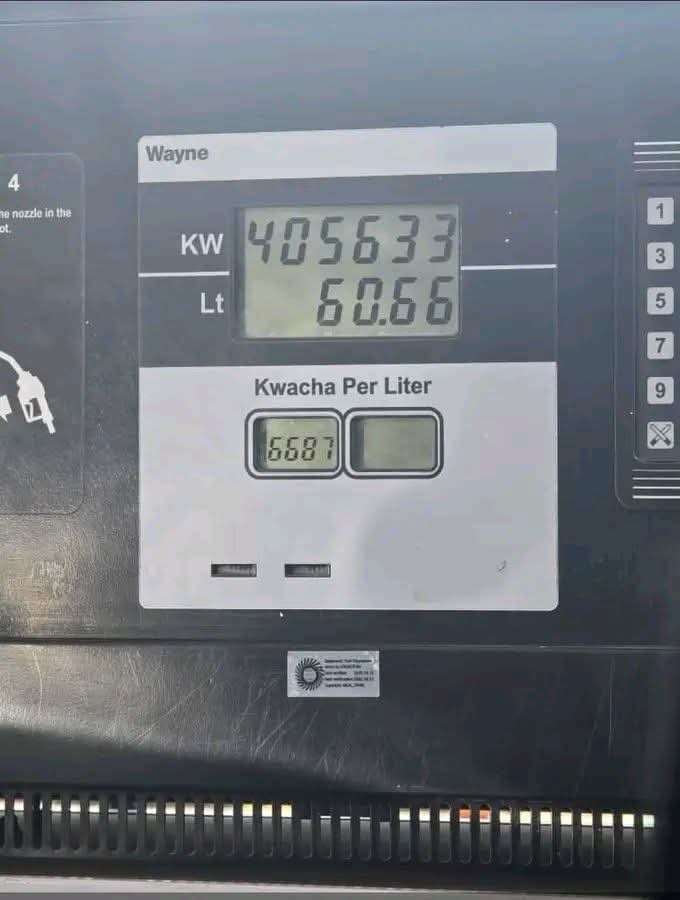
A recent comparison has sparked widespread concern after it was revealed that 60.66 litres of fuel for a vehicle such as a Toyota Hilux costs approximately K405,000. The figure has shocked many citizens, particularly civil servants earning lower monthly salaries.
For instance, a primary school teacher earning around K352,000 per month would not be able to purchase even 60 litres of fuel with their entire salary. This has raised questions about the real purchasing power of public sector workers in the current economic environment.
Growing pressure on civil servants
The situation becomes even more striking when compared with other public sector employees. Health Surveillance Assistants (HSAs), who reportedly earn around K429,000 per month, would still only have a small amount remaining after purchasing the same quantity of fuel.
This comparison has intensified debate on salary structures in the public service, especially considering that many teachers possess higher academic qualifications and have undergone formal college training.
Teachers feel left behind
Many educators argue that despite their essential role in shaping the country’s future workforce, their compensation does not reflect their qualifications or responsibilities. The frustration is compounded by the rising cost of essential goods and services, including transport, food, and utilities.
Education stakeholders have long warned that low teacher motivation, driven by poor remuneration, risks affecting the quality of education in the country.
Call for government intervention
The fuel-price shock has reignited calls for the government to urgently review public sector salaries in line with inflation and the cost of living. Analysts argue that without meaningful adjustments, the gap between earnings and living costs will continue to widen, putting additional strain on essential workers.
Civil society voices are also urging authorities to implement a comprehensive salary restructuring framework that fairly rewards qualifications, experience, and job demands across the public sector.
Conclusion
As fuel prices continue to rise, the debate over salary fairness in Malawi is expected to intensify. For many teachers and low-income civil servants, the current economic reality highlights a difficult truth: monthly earnings are increasingly unable to meet even basic transport costs, let alone broader household needs.