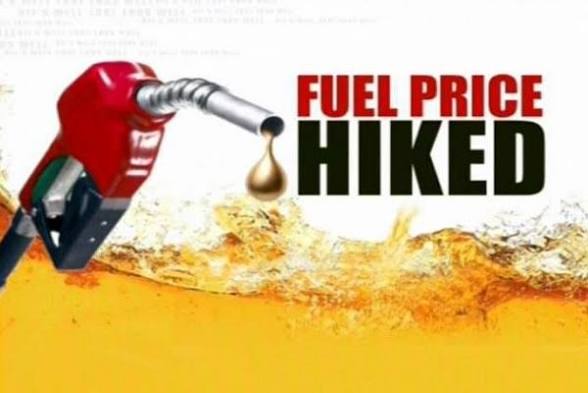
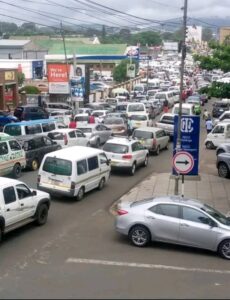
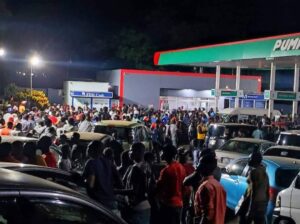
Malawi is facing growing public concern over the continuous rise in fuel prices, which has had a direct impact on transport costs, food prices, rent, and overall cost of living. Many citizens are now questioning government policy on fuel taxation, especially the fuel levy, as neighboring countries like Zambia take a different approach.
In Zambia, authorities have recently removed or reduced the fuel levy as part of measures aimed at stabilizing fuel prices and protecting citizens from economic pressure. This decision has helped ease transport costs and reduce inflationary pressure on essential goods and services.
In contrast, Malawi continues to maintain fuel levies despite global oil price fluctuations and rising domestic transport costs. As a result, transport fares have increased significantly across the country, affecting commuters, businesses, and the supply chain. The ripple effect has pushed up prices of goods and services, making life more expensive for ordinary Malawians.
Economic observers note that fuel pricing policies play a critical role in shaping inflation and household affordability. Any increase in fuel-related taxes often leads to higher transport costs, which then affect the pricing of food, rent, and other essentials.
Public debate has intensified, with many Malawians asking why similar tax relief measures have not been implemented locally. Citizens argue that reducing or temporarily suspending fuel levies could help ease the current economic pressure, especially for low-income households.
However, government fiscal policy experts often caution that fuel levies are an important source of revenue used to fund road maintenance and other infrastructure projects. Removing them may provide short-term relief but could create funding gaps in national development budgets.
The comparison between Malawi and Zambia has therefore sparked a broader conversation about economic management, tax policy, and social protection measures in times of rising global fuel prices.
As fuel prices continue to remain high, pressure is mounting on policymakers to review taxation structures and consider reforms that balance revenue generation with affordability for citizens.
For many Malawians, the key question remains: should fuel levies be reduced or removed to protect citizens from rising living costs, or should they remain to support national development funding?