







Malawi Fuel Prices vs Zambia 2026: Why Malawians Pay More
By Suleman Chitera
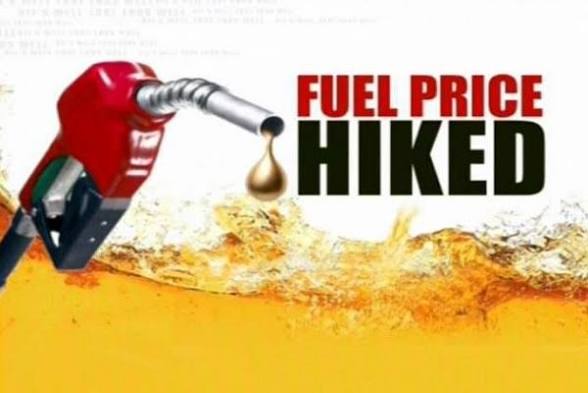
Malawians continue to pay significantly more for fuel than their regional neighbours, particularly Zambia, raising fresh concerns about the cost of living and economic competitiveness in 2026. While fuel prices fluctuate globally, the gap between Malawi and Zambia has become increasingly difficult to ignore.
The Price Gap
Recent comparisons show that petrol prices in Malawi are hovering around MWK 6,000–6,600 per litre, while in Zambia, prices average approximately MWK 2,400–2,800 per litre (converted from Zambian Kwacha). This means Malawians are paying more than double for the same commodity.
Breaking News: Fuel Price Increase Temporary, Says Analyst Suleman Chitera
The disparity has triggered public debate, with consumers and businesses questioning why a landlocked country like Zambia can maintain lower prices than Malawi.
Key Reasons Why Malawi Pays More
1. Currency Weakness
One of the biggest drivers is the continued depreciation of the Malawi Kwacha. As a net importer of fuel, Malawi relies heavily on foreign currency—mainly US dollars—to purchase petroleum products.
A weaker currency means:
- Higher import costs
- Increased pressure on pump prices
- Frequent upward price adjustments
In contrast, Zambia has relatively better access to foreign exchange due to its stronger export base, particularly copper.
Malawi’s forex crisis: The frustration behind the humor
2. Supply Chain and Logistics Costs
Both Malawi and Zambia are landlocked, but their fuel supply systems differ significantly.
Malawi depends heavily on:
- Long road transport routes from ports in Mozambique and Tanzania
- Higher haulage and insurance costs
- Occasional supply disruptions
Zambia, on the other hand, benefits from:
- More diversified supply routes
- Established pipeline infrastructure in some corridors
- Bulk procurement efficiencies
These structural differences reduce Zambia’s overall fuel landing cost.
3. Taxes and Levies
Fuel pricing in Malawi includes a range of taxes and levies that push up the final pump price. These may include:
- Fuel levy
- Road levy
- Storage and handling fees
While Zambia also imposes taxes, analysts argue that Malawi’s cumulative charges are relatively higher, making fuel more expensive for consumers.
4. Limited Competition in the Market
Malawi’s fuel importation system is relatively concentrated, with fewer players involved in procurement and distribution. Limited competition can reduce pricing efficiency and slow down cost reductions when global prices fall.
Zambia’s market, by comparison, has seen more liberalisation, allowing competitive pricing dynamics to play a bigger role.
5. Foreign Exchange Shortages
Persistent forex shortages in Malawi continue to affect fuel procurement. Importers often face delays accessing dollars, leading to:
- Supply constraints
- Increased costs due to parallel market sourcing
- Pressure on authorities to maintain higher pump prices
Impact on the Economy
High fuel prices have a ripple effect across the economy:
- Transport costs increase
- Food prices rise due to higher distribution costs
- Businesses face higher operating expenses
For ordinary Malawians, this translates into a rising cost of living and reduced purchasing power.
Mutharika Assures IMF of Swift Action to Resolve Malawi’s Economic Crisis
What Can Be Done?
Economic experts suggest several interventions:
- Strengthening foreign exchange reserves
- Reviewing fuel taxes and levies
- Investing in alternative transport systems like rail
- Improving procurement efficiency and transparency
There are also calls for authorities such as the Malawi Energy Regulatory Authority (MERA) to ensure pricing structures remain fair and reflective of global trends.
Conclusion
While global oil prices play a role, Malawi’s high fuel costs are largely driven by structural and economic challenges. Until issues such as currency stability, forex availability, and supply chain inefficiencies are addressed, Malawians are likely to continue paying more at the pump than their Zambian counterparts.
FDH Bank plc launches ‘Swipe to Dubai’ promotion
The question now is not just why Malawi pays more—but how long the situation can persist without deeper economic consequences.