 Suleman Chitera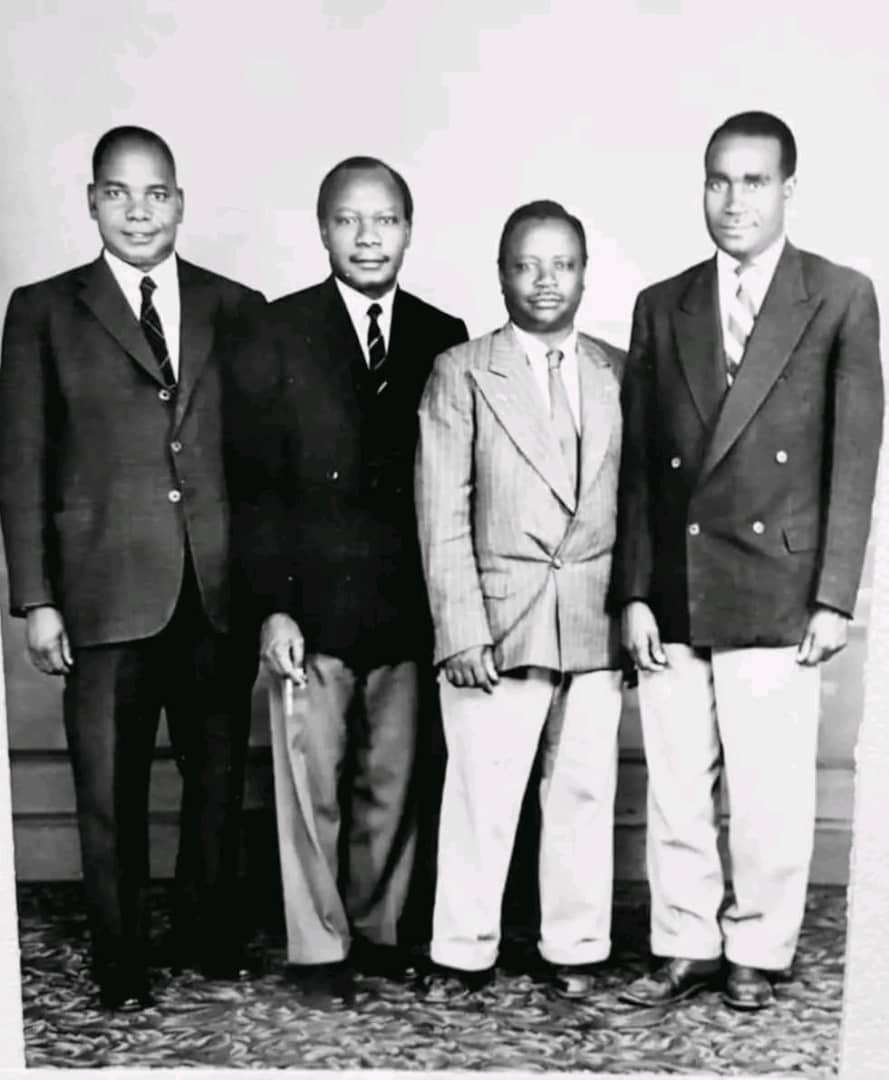
By Suleman Chitera
One of the darkest and least talked-about chapters in Malawi’s political history unfolded in September 1973 at Mary Mount Secondary School in Mzuzu, where fear, violence and political betrayal exploded during a Malawi Congresse Party (MCP) convention.
What began as an ordinary party gathering to elect officials quickly turned into a terrifying political purge orchestrated under the ruthless atmosphere of Dr. Hastings Kamuzu Banda’s one-party regime.MCP, Chakwera files lawsuit against DPP, Mutharika
At the center of the storm was the late Wellington Manoah Chirwa of Nkhata Bay — a nationalist freedom fighter and former ally turned political enemy of Kamuzu Banda.
At the time, Manoah Chirwa was living in exile after falling out with Kamuzu’s government. During the convention, Kamuzu reportedly informed delegates and chiefs that Chirwa had written a letter begging for forgiveness and asking to return home to Malawi.MCP Parliamentary Candidate Precious Kabambe Arrested in Lilongwe
But unknown to many attending the gathering, the issue was not presented for reconciliation.
It was a trap.
Kamuzu handed the matter to traditional leaders for discussion, carefully watching who would sympathize with his rival.
Believing they were promoting peace and forgiveness, several chiefs openly advised that Manoah Chirwa should indeed be pardoned and allowed to come back home.
That recommendation would cost them dearly.
Moments later, terror descended on the convention grounds.
Members of the feared Malawi Young Pioneers (MYP), under the leadership of Gwanda Chakuamba, reportedly unleashed brutal violence against every chief who supported forgiveness for Manoah Chirwa.MCP – HRDC holds nationwide MRA shut down demonstrations
The chiefs were beaten mercilessly.
Some fled on foot from Mzuzu towards Karonga and other districts in desperate attempts to save their lives. Others lost their positions as chiefs, while some were dragged into prison cells like criminals.
Among the respected traditional leaders who suffered humiliation, beatings and removal from power were:
- Malenganzoma of Nkhata Bay
- Kabunduli of Nkhata Bay
- M’bwana of Nkhata Bay
- Chikumbu of Mulanje
- Mwase of Kasungu
- Kyungu of Karonga
Chief Mwase of Kasungu was among those reportedly imprisoned following the incident.
The events exposed the terrifying climate of fear that existed during Malawi’s one-party era — a time when expressing an opinion viewed as sympathetic to government critics could result in violence, exile, imprisonment or death.BMTV says Chakwera failed to correct MCP bad history
For many Malawians, the story remains a painful reminder of how political power was once used to silence dissent and punish even respected traditional authorities.
Ironically, Manoah Chirwa himself had once been among the brave nationalists who fought colonial rule alongside other African freedom fighters.
A historic 1955 photograph captures Manoah Chirwa together with Zambia’s Kenneth Kaunda, Mr. Hiwa and Harry Nkumbula during anti-colonial discussions against British rule.
Importantly, historians warn against confusing Manoah Chirwa with Orton Chirwa. Although both came from Nkhata Bay and both played roles in the liberation struggle, they were separate individuals with different political journeys.Police Teargas MCP Supporters at Kamuzu Mausoleum as Minister Peter Mukhito Warns Against “Political Impunity”
Today, decades later, the scars of political violence during Malawi’s one-party era continue to echo through the nation’s history — raising difficult questions about power, fear, loyalty and the true cost of dissent.