 Suleman Chitera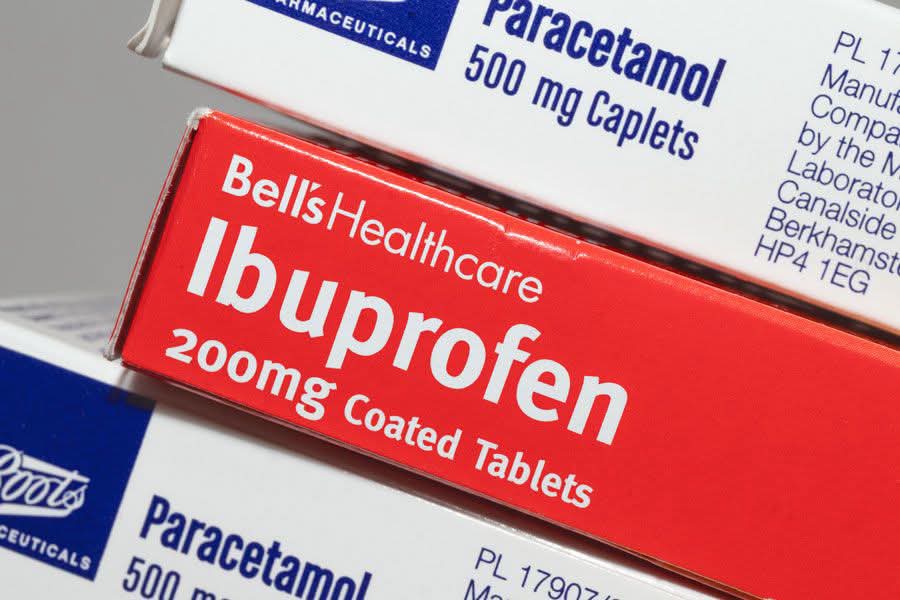
By Suleman Chitera
Health rights advocates in Malawi have strongly criticized the government’s decision to introduce a 25 percent tariff on several commonly used medicines, warning that the move could significantly increase healthcare costs and make essential treatment less accessible to vulnerable citizens.A Catholic health care organization to implement mental health project
According to the latest Customs and Excise Order issued by the Malawi Revenue Authority (MRA), medicines such as Amoxicillin, Aspirin, and Paracetamol will now attract a 25 percent import tariff. The measure was approved by Parliament as part of the 2026/27 National Budget.
The development has sparked concern among health stakeholders, who fear that the additional tax burden will ultimately be passed on to consumers through higher retail prices.
Speaking in an interview, Executive Director of the Malawi Health Equity Network (MHEN), George Jobe, described the decision as unfortunate and potentially harmful to ordinary Malawians, particularly low-income households that already struggle to access quality healthcare.
Jobe argued that the introduction of taxes on essential medicines comes at a time when many public health facilities are experiencing drug shortages, forcing patients to purchase medicines from private pharmacies using their own resources.SKC Foundation supports Bwaila Hospital with K6 million items
“This decision is likely to increase the cost of essential medicines and place an additional burden on people seeking medical treatment,” said Jobe. “Many patients are already being told to buy drugs outside hospitals because of shortages in public facilities. Adding taxes to these medicines will only worsen the situation.”
Health advocates fear that rising medicine prices could discourage patients from seeking treatment or completing prescribed medication courses, potentially leading to worsening health outcomes and increased pressure on the country’s healthcare system.Nigerian National Arrest For Possessing Drugs
The Malawi Health Equity Network has since called on government authorities to reconsider and reverse the decision, arguing that access to affordable medicines is a fundamental component of universal healthcare and social protection.
The concerns come amid broader economic challenges facing Malawians, including rising inflation, increasing costs of living, and pressure on household incomes. Critics argue that taxing essential medicines risks undermining efforts to improve public health and achieve equitable access to healthcare services.Lifestyle Medicine for High-Risk Cancer Patients
While government officials have defended various revenue-generating measures contained in the 2026/27 budget as necessary for financing public services and economic recovery initiatives, health campaigners insist that life-saving and commonly used medicines should remain affordable and accessible to all citizens.
As debate continues, stakeholders are expected to engage government and lawmakers in an effort to find alternative revenue sources that do not compromise access to healthcare for Malawi’s most vulnerable populations.