 Suleman Chitera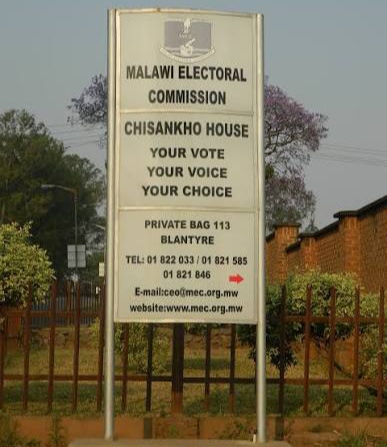
By Suleman Chitera
The ongoing legal battle over the proposed relocation of the Malawi Electoral Commission (MEC) headquarters from Lilongwe to Blantyre has evolved into more than just an administrative dispute. It has become a significant test of constitutional governance, institutional independence, and public confidence in Malawi’s democratic processes ahead of future elections.MEC Headquarters Relocation Dispute Reaches High Court as Mutharika Faces Legal Challenge
The controversy began after President Peter Mutharika issued an executive order directing the relocation of MEC offices from the capital city, Lilongwe, to Blantyre. The move immediately sparked debate among political leaders, legal experts, civil society organisations, and ordinary citizens, with supporters and critics offering sharply contrasting views on its implications.
Recently, three applicants—Daniel Chitonya, Abraham Mwakhwawa, and Emmanuel Chambulanyina Jere—successfully obtained an injunction from the High Court, temporarily halting the relocation pending judicial review. The court’s intervention has brought the matter into the national spotlight and raised important questions about the future of electoral administration in Malawi.Mec’s rejections of relocating to Blantyre a subject of discussion
Why the Relocation Matters
The Malawi Electoral Commission plays a central role in managing elections, voter registration, constituency boundary reviews, and the announcement of election results. As an independent constitutional body, MEC is expected to operate free from political influence and maintain public trust.
Supporters of the relocation argue that moving MEC to Blantyre aligns with the government’s broader decentralisation agenda. They contend that Blantyre, as Malawi’s commercial capital, offers strategic advantages, including improved infrastructure and opportunities to distribute public institutions more evenly across the country.High Court Orders MEC to Release Lilongwe Mtandire–Ntsiriza Election Results
However, critics argue that the timing and manner of the relocation raise concerns about political interference. They question whether such a major institutional change should occur through an executive directive rather than through broader consultations involving Parliament, electoral stakeholders, and the commission itself.
Impact on Electoral Confidence
Public confidence is one of the most important pillars of any democratic electoral system. Even the perception of political influence over an electoral body can undermine trust in election outcomes.
Political analysts warn that disputes surrounding MEC’s location could create unnecessary uncertainty among voters, political parties, and development partners. Malawi has worked for decades to strengthen its democratic institutions, and any development perceived as weakening the independence of electoral management could affect voter confidence.BREAKING: MEC Chief Elections Officer Andrew Mpesi Resigns Amid Secrecy Over Exit
The legal challenge therefore goes beyond the physical location of offices. At its core, it is about safeguarding the principle that electoral institutions should remain impartial and independent from executive control.
Legal Questions at Stake
The High Court’s eventual ruling is expected to clarify the extent of presidential authority over independent constitutional bodies. Legal experts say the case could establish an important precedent regarding how far executive powers extend when dealing with institutions created and protected by the Constitution.
If the court determines that the relocation process was unlawful, the ruling could reinforce protections for institutional independence. Conversely, if the relocation is upheld, government may gain broader authority to reorganise public institutions under executive directives.MCP, Chakwera files lawsuit against DPP, Mutharika
The outcome will likely influence future governance decisions beyond MEC itself.
Political Implications
The dispute has also exposed differing political priorities among leaders from various regions of the country.
While some politicians support legal action to stop the relocation, others, including Karonga Central Member of Parliament Frank Tumpale Mwenifumbo, have urged leaders to focus on pressing development challenges affecting their constituents rather than engaging in prolonged court battles.
This divergence reflects broader debates about governance, decentralisation, and resource allocation in Malawi.
Looking Ahead
As Malawi prepares for future electoral cycles, the need for strong, trusted, and independent institutions remains paramount. Regardless of where MEC’s headquarters are ultimately located, stakeholders agree that transparency, legality, and public consultation should guide decisions affecting the country’s electoral system.
The court’s final determination will not only decide the future location of MEC offices but could also shape public perceptions of electoral independence for years to come.
For many Malawians, the case represents a crucial moment in the ongoing effort to strengthen democracy, uphold constitutional principles, and ensure that electoral institutions remain accountable to the law rather than political interests.Economy Shows Signs of Recovery Under President Arthur Peter Mutharika
Whether the headquarters remain in Lilongwe or eventually move to Blantyre, the broader challenge will be maintaining public trust in the institution responsible for safeguarding Malawi’s democratic future.
Related President Mutharika Urged to Revoke Nir Ges’ Diplomatic Passport Amid Outgoing MCP Scandal