
 Malawi Freedom Network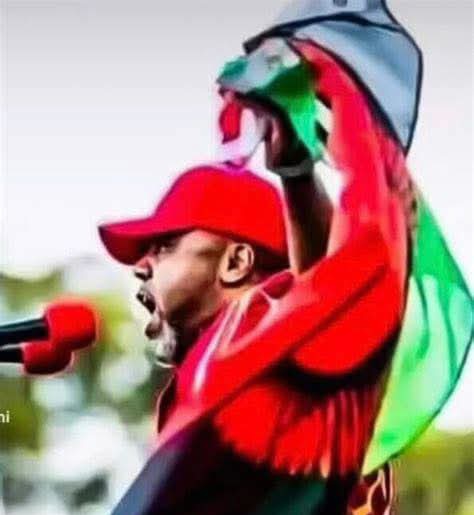
OPINION: Should Malawi Replace Kamuzu Day with Saulos Chilima Day? A National Debate on Memory, Legacy and Recognition
By Staff Writer
The question of how a nation chooses to remember its leaders is never just about history—it is about identity, values, and the direction a country wants to take. In Malawi, a growing debate is emerging: should Kamuzu Day continue to be observed, or should it be replaced or complemented with a Saulos Chilima commemorative day?Limpopo FM welcomes MCP out of Chilima’s inquiry
At the heart of this discussion are two very different figures in Malawi’s political story: Kamuzu Banda, the country’s founding head of state, and Saulos Chilima.
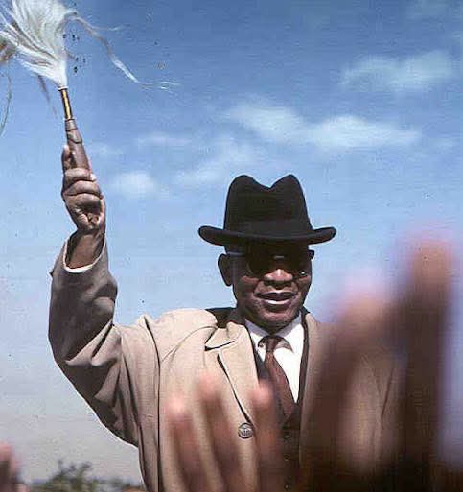
Kamuzu Banda’s Legacy: Founding Order and Authoritarian Rule
Kamuzu Banda occupies a foundational place in Malawi’s history. He led the country to independence and established the early structures of the state. For supporters, he is remembered as a symbol of discipline, national unity, and strong governance during the formative years.MCP Snubbed from Saulos Chilima Memorial as UTM Confirms Party Was Deliberately Left Out
However, his long rule is also widely associated—both in scholarly accounts and public memory—with a highly centralized political system, restrictions on political pluralism, and limitations on civil liberties. For many Malawians, particularly those who experienced that era or heard firsthand accounts from family members, Kamuzu Day is not simply a celebration but a reminder of a tightly controlled political environment.
This dual legacy—state builder on one hand, authoritarian leader on the other—is precisely what makes Kamuzu Day a continuing point of contention.
Saulos Chilima: Reformist Image and Modern Political Symbolism
Saulos Chilima emerged in a very different political and economic era. Before entering politics, he built a strong career in the corporate sector, rising to senior leadership roles that shaped his public image as technocratic and reform-oriented.
As Vice President, he positioned himself as a figure advocating for governance reforms, public sector efficiency, and economic modernization. His political journey also included a significant decision to join forces with the Malawi Congress Party-led Tonse Alliance, a move that reflected a strategic belief in coalition politics as a path to change.Kamuzu Day Reflections Stir Mixed Reactions Among Malawians
Chilima’s sudden death in 2024 in a military aircraft crash profoundly affected the national psyche, turning him into a symbol of unfinished political potential for some Malawians.
The Argument for a New National Day
Proponents of replacing Kamuzu Day with a Saulos Chilima Day argue that national holidays should reflect contemporary values and inspirational leadership models.
They see Chilima as representing:
- A modern, reform-driven political ethos
- Cross-sector leadership experience from corporate to public service
- A narrative of national service over personal comfort
- A symbol of political collaboration in a polarized environment
In this view, elevating Chilima’s legacy through a national day would signal a shift toward forward-looking governance ideals.
The Counterargument: History Cannot Be Replaced, Only Reassessed
Opponents of replacing Kamuzu Day caution against rewriting historical memory through substitution. They argue that regardless of controversy, Kamuzu Banda’s role in Malawi’s independence and state formation is historically irreversible.Parliament Committee Visits Viphya Plane Crash Site in Probe Into Chilima Tragedy
From this perspective, Kamuzu Day is not simply about the individual, but about a chapter of national history that shaped modern Malawi—both its achievements and its failures.
They also warn that replacing historical commemorations with more recent political figures risks politicizing national holidays and creating cycles of revision depending on shifting public sentiment.
A More Balanced Path Forward?
Rather than framing the issue as a direct replacement, some policy thinkers suggest a middle ground: expanding national remembrance rather than replacing it. This could mean:
- Maintaining Kamuzu Day as a historical commemoration of independence and state formation
- Introducing a separate Saulos Chilima Day focused on public service, governance reform, and modern leadership values
- Using national holidays as educational moments rather than purely celebratory ones
Conclusion
The debate over Kamuzu Day and a potential Saulos Chilima Day is ultimately not just about two individuals—it is about how Malawi chooses to define leadership, legacy, and national identity.Paramount Chief Lundu Blasts MCP Over ‘Genital Theft’ Rumors in Shire Valley
Whether Malawi preserves, reforms, or expands its commemorative calendar, the deeper question remains: what kind of leadership should future generations be encouraged to remember, study, and emulate?