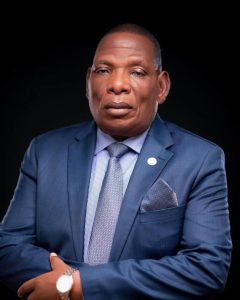
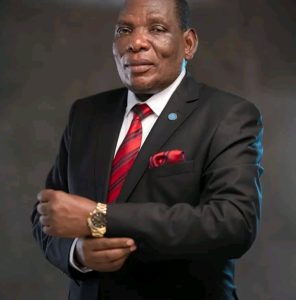
LILONGWE, Malawi — As fears mount over the future of the Malawi Kwacha and the country’s worsening foreign exchange crisis, Finance Minister Joseph Mwanamvekha has made a startling declaration: the government will not devalue the currency anytime soon.
The announcement comes amid intense speculation that Malawi could be pressured into another devaluation as economic challenges continue to bite and discussions with the International Monetary Fund (IMF) gain momentum.Mwanamvekha urges MPs not to close vehicle windows
But Mwanamvekha says government has learned painful lessons from previous devaluations—lessons that left many Malawians struggling to survive.
“Our People Became Poorer”
Speaking during the launch of the Sixth Integrated Household Survey Report by the National Statistical Office (NSO) in Lilongwe, the minister rejected claims that devaluation is the solution to Malawi’s economic woes.
“We devalued our currency but what happened? Prices have gone up, interest rates from our banks have gone up and our people have become poorer than they were before. A devaluation is not the only answer,” he said.
In a significant revelation, Mwanamvekha said the IMF team that recently visited Malawi acknowledged that devaluation alone cannot solve the country’s economic problems.
According to the minister, both government and IMF officials agreed that devaluing the Kwacha without sufficient foreign exchange reserves could create even greater economic hardship.
He said authorities must first ensure there are adequate safeguards to protect vulnerable citizens from the inflationary shock that often follows a currency adjustment.
A weaker Kwacha could mean higher prices for imported goods, more expensive fuel, rising transport fares and increased costs for businesses that depend on foreign currency.
Many households already battling high living costs fear that another devaluation could further erode their purchasing power.
By ruling out an immediate devaluation, government is seeking to reassure citizens that it is prioritizing economic stability and protecting household incomes.
The Bigger Challenge Remains
Despite the assurance, difficult questions remain.
These are the questions economists, investors and ordinary citizens will be asking in the months ahead.
For now, however, Mwanamvekha’s message is clear and uncompromising: another Kwacha devaluation is not the answer, and government is determined to pursue alternative solutions.
As Malawi grapples with one of its toughest economic periods in recent years, the debate over the future of the Kwacha is far from over.