
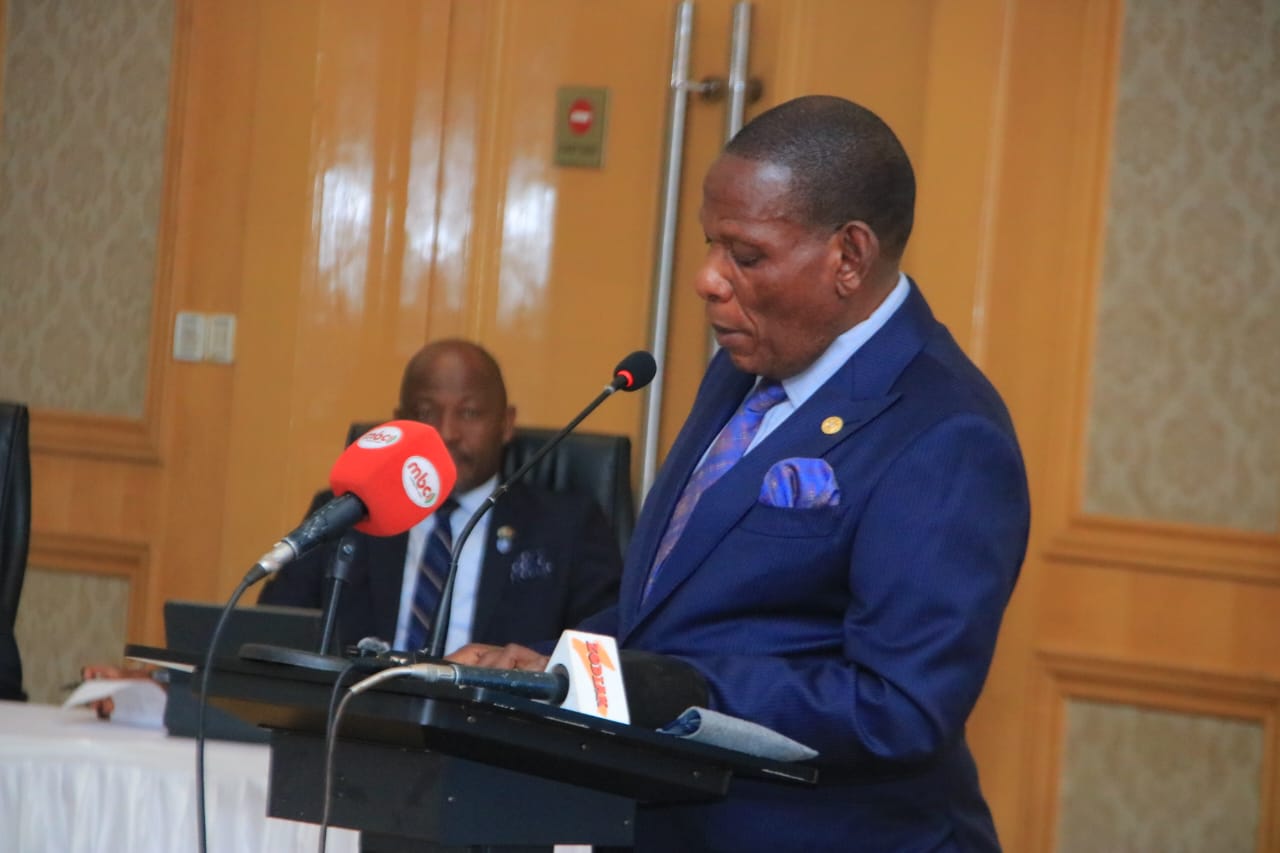
By Suleman Chitera
LILONGWE, Malawi — Minister of Finance, Economic Planning and Decentralisation Joseph Mwanamvekha has defended the government’s decision to increase taxes and levies, arguing that the country was facing an extremely dire financial situation that left authorities with little choice but to implement painful economic measures.Mwanamvekha: The Strategic Mind Steering Malawi’s Economic Recovery Path
Speaking during discussions on the country’s economic challenges, Mwanamvekha said the current administration inherited a far worse economic crisis than many people realized, warning that without difficult fiscal decisions, government operations could have ground to a halt.
The minister revealed that Malawi’s debt burden has reached alarming levels, with approximately 90 percent of domestic revenue being consumed by interest payments on outstanding debts.Mwanamvekha: The Steady Hand Behind Malawi’s Economic Direction
According to Mwanamvekha, this leaves only 10 percent of government revenue available for essential public services, development projects, and the day-to-day running of government institutions.
“We found a much worse situation than expected. If we had not made tough decisions to raise taxes and levies, government would not have been able to function,” Mwanamvekha said.
His remarks come at a time when many Malawians are struggling with rising living costs, inflation, foreign exchange shortages, and increasing prices of basic commodities. Tax increases and additional levies introduced by the government have attracted criticism from businesses and ordinary citizens who argue that the measures have further squeezed household incomes.Business columnist says Mwanamvekha facing difficult task of restoring economy
However, Mwanamvekha insisted that the measures were necessary to prevent a complete fiscal breakdown and to stabilize public finances.
The minister painted a grim picture of the country’s financial position, saying the huge debt servicing obligations have significantly reduced government’s capacity to invest in critical sectors such as health, education, agriculture, and infrastructure.
Economic analysts say the revelation that 90 percent of domestic revenue is going toward interest payments underscores the severity of Malawi’s debt crisis and highlights the urgent need for fiscal reforms, improved revenue collection, and sustainable debt management strategies.
The government is currently pushing forward with economic recovery initiatives aimed at restoring macroeconomic stability, attracting investment, boosting exports, and creating jobs.
Despite the challenges, Mwanamvekha expressed optimism that ongoing reforms and collaboration between government, the private sector, and development partners could help steer the country toward economic recovery.APM Leadership Revitalising the Economy, Says Mwanamvekha
His comments are likely to reignite debate over whether tax increases are the most effective solution to Malawi’s fiscal crisis or whether government should focus more aggressively on cutting expenditure, tackling corruption, and expanding the tax base.
As economic pressures continue to mount, many Malawians will be watching closely to see whether the sacrifices demanded today will translate into tangible improvements in the country’s economic fortunes in the years ahead.
Leave a Reply