

By Burnett Munthali
Honorary degrees have long been a symbol of distinction, celebrating individuals whose contributions to society transcend traditional academic achievement. Originally rooted in medieval European traditions, these honorary titles were awarded to acknowledge exceptional service or notable accomplishments that went beyond conventional scholarship. The practice has evolved significantly, with modern institutions frequently bestowing such degrees on prominent figures, including politicians, for their influence and efforts on the global stage.
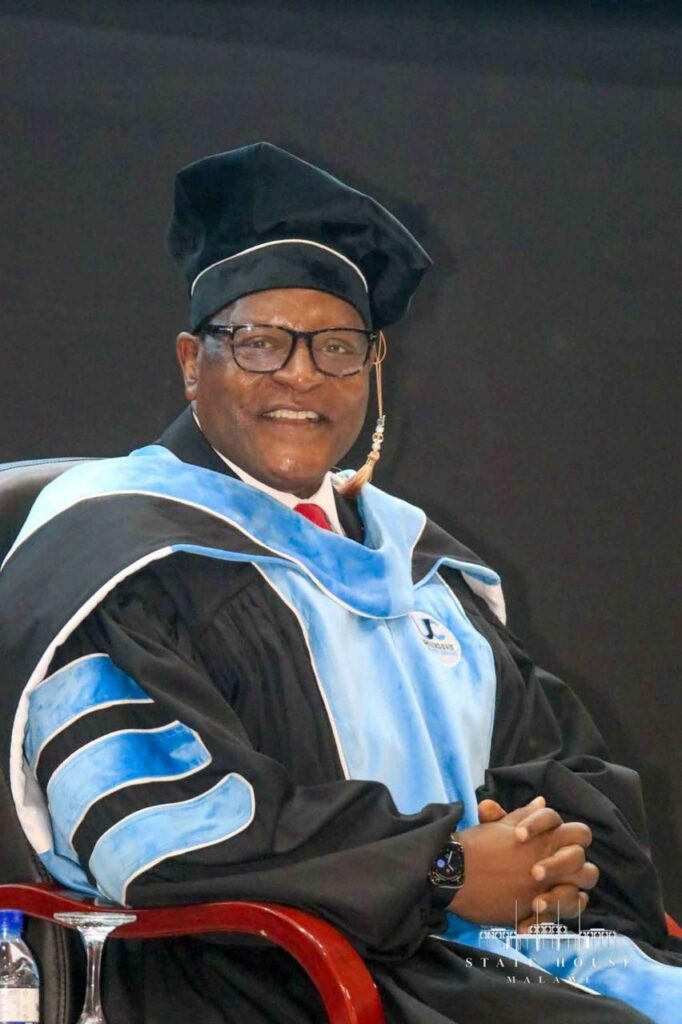
On Thursday 15 August, 2024, Joaquim Chissano University in Mozambique honored Malawi’s President Dr. Lazarus McCarthy Chakwera with an honorary Doctorate Degree in International Cooperation for Development. The ceremony, marked by raucous applause and jubilant celebrations, highlighted Chakwera’s commitment to fostering regional and international cooperation. In his acceptance speech, Chakwera expressed deep gratitude for the recognition of his work in strengthening international relations.
Historically, honorary degrees were awarded primarily to individuals of significant influence, including royals, clergy, and notable public figures, as a gesture of respect and acknowledgment of their achievements. Today, it’s common to see these degrees conferred upon politicians and leaders, reflecting their impact on global diplomacy and development. Often, such awards are presented by institutions outside the recipient’s home country. This practice underscores the international recognition of their work, emphasizing their global rather than local influence.
The awarding of honorary degrees to international figures highlights the significance of recognizing efforts that may not be fully acknowledged within their own nations. It serves as a reminder of the global interconnectedness of contemporary issues and the value of contributions that bridge national borders.
However, the trend of awarding honorary degrees to leaders, particularly those who may be struggling within their own countries, raises questions about the relevance and symbolism of such honors. In a world where political leadership is often scrutinized for failing to address local challenges, these accolades can seem disconnected from the realities faced by the populace. The gesture, while a testament to global achievements, sometimes overlooks the pressing issues at home, reflecting a disconnection between international recognition and local leadership effectiveness