By Burnett Munthali
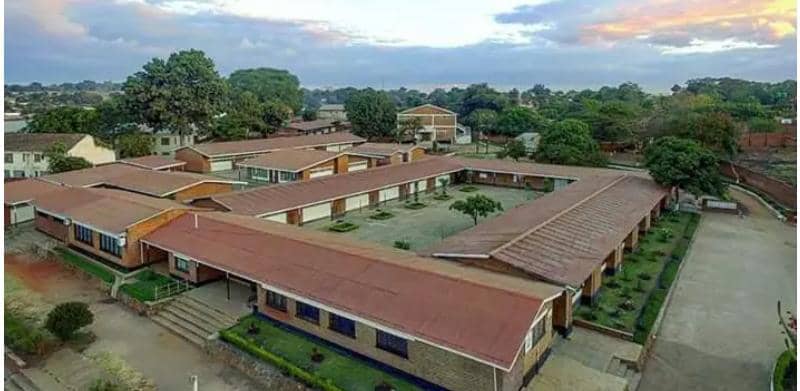
Teachers at Lilongwe Private School have raised urgent concerns about the administration of the primary section, citing poor management, favoritism, and hostile working conditions.
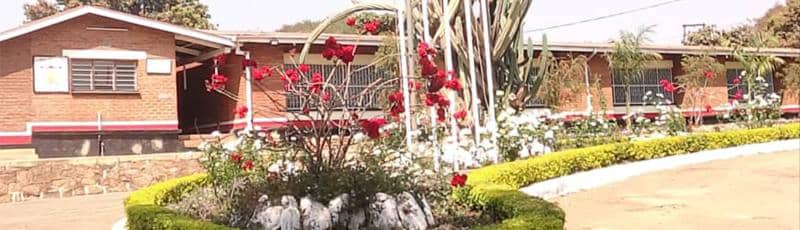
Reports obtained by this publication indicate that board member Mr Bedha and primary head Ms Maria Asghar are at the center of declining standards within the school.
Staff allege that efforts to raise workplace issues with Mr Bedha have been consistently ignored or dismissed.
When complaints involve the primary headteacher, teachers claim that Mr Bedha often responds with anger, shouting at them in his office before sending them back to the same administrator.
An incident highlighted by staff involved Ms Sonya, who was reportedly insulted by a student of Pakistani origin.
Teachers assert that when the matter was reported to Ms Maria for disciplinary action, no measures were taken, allegedly because of the student’s nationality.
Educators say this response reflects a systemic failure in the school’s administrative processes and question Ms Maria’s ability to manage effectively.
Teachers also reported that a recent interface meeting with the board did little to address their grievances.
The session began under an intimidating environment, with Mr Bedha instructing all primary staff to switch off their phones before the discussion commenced.
Several coordinators present at the meeting were reportedly loyal to Ms Maria and presented biased views favoring her administration.
Teachers allege that Mr Samuel Kameza, who does not hold formal teaching qualifications, merely relayed instructions from Ms Maria instead of sharing his own perspectives.
Similarly, while Mr Prince Nebert had privately criticized Ms Maria’s management, he reportedly adopted a supportive position during the board meeting.
Staff say Mr Nebert’s stance followed private conversations with Ms Maria, despite having been wrongfully accused of theft on multiple occasions.
He had previously faced allegations of stealing money from Ms Maria’s handbag and a cell phone from the primary reception office, but both claims were disproven.
Teachers also allege that Ms Maria blocked Mr Nebert from sitting scheduled college examinations, forcing him to reschedule with authorities.
Educators describe Mr Nebert’s conduct during the meeting as an attempt to protect Ms Maria despite her alleged mistreatment of staff.
Staff further report that the presence of coordinators, acting as Ms Maria’s informants, prevented them from speaking freely during the interface session.
The presence of Mr Bedha at the meeting was similarly cited as a barrier, as he is perceived to defend the primary head at all times.
Sources allege that Mr Bedha, Ms Maria, and another administrator, Latif, share a regional connection and support one another in school matters, prioritizing loyalty and nepotism over merit.
Teachers have submitted numerous reports to the board, urging immediate intervention to address governance failures and administrative mismanagement.
They insist that the board chair, Mr Kalaria, must recognize that Mr Bedha’s actions are undermining the school alongside Ms Maria’s leadership.
Staff also claim that Mr Bedha has encouraged corrupt practices, including an incident in which he reportedly told a teacher, Mr Francis, that he could not afford to pursue legal action.
Educators emphasize that only independent media attention has provided them with a platform to safely highlight these issues.
Teachers further reveal that Ms Maria has been summoning and shouting at staff suspected of communicating information to the media.
As a result, teachers chose to remain silent during the board’s interface meeting for fear of retaliation or job loss.
They also expressed distrust toward the coordinators, alleging that they met secretly with Ms Maria and were allegedly bribed to support her during discussions.
Teachers propose that future interface meetings should be structured differently to ensure transparency and accountability.
They recommend that all board members participate, excluding Mr Bedha, and that coordinators be barred from attending.
Staff further suggest a final meeting with the board chair alone, held behind closed doors, where primary teachers can speak freely.
They stress that protections against dismissal must be guaranteed so that teachers can openly discuss administrative challenges without fear of reprisal.
In addition, teachers have suggested the introduction of a suggestion box system, allowing staff to anonymously raise concerns and provide feedback about the school environment safely.
This, they argue, would create an alternative channel for communication and help the board understand the true situation at Lilongwe Private School without fear of retaliation.