
By Suleman Chitera
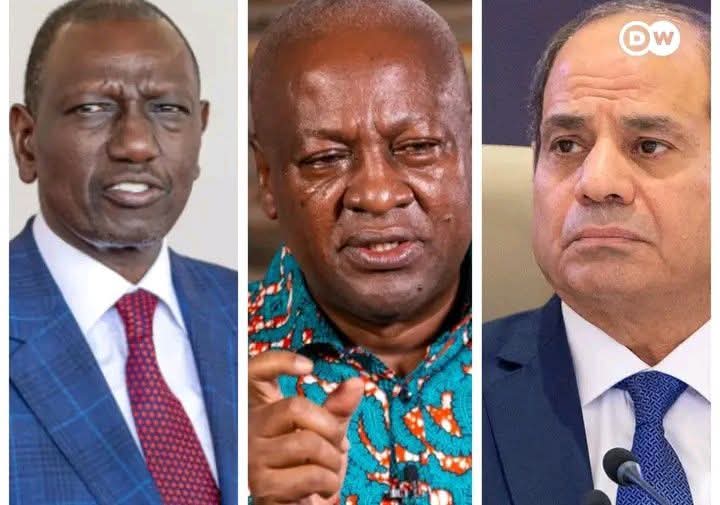
New data from the International Monetary Fund (IMF) shows that Egypt, Côte d’Ivoire and Kenya now carry the largest outstanding loan balances in Africa, highlighting the growing financial pressures facing many countries across the continent.
They are followed by Angola, Ghana and the Democratic Republic of Congo (DRC), while Ethiopia, Cameroon, Tanzania and Zambia also rank among the countries with high IMF exposure.
The figures reflect how deeply African economies have leaned on IMF support in recent years, particularly after the COVID-19 pandemic, which crippled tourism, trade, foreign investment and government revenues.
Dependency After Crisis
During the pandemic, the IMF became a key development partner for many African states, providing emergency loans and extended financing programmes designed to stabilize economies, protect vulnerable populations and restart growth.
These programmes helped governments to:
Pay salaries and social protection costs
Stabilize currencies
Prevent total economic collapse
However, while the loans provided short-term relief, they have created long-term fiscal burdens that many countries are now struggling to manage.
Repayment Pressures Grow
As global interest rates rise and repayment deadlines draw closer, governments are finding that debt servicing is consuming a growing portion of their national budgets. This has left limited resources for essential internal development such as:
Health care
Education
Infrastructure
Job creation
In many cases, countries are forced to borrow more just to meet existing obligations, pushing them deeper into what economists describe as unsustainable debt cycles.
Reform vs Reality
IMF programmes are often tied to strict economic reforms, including cuts in public spending, tax increases and reductions in subsidies for fuel and food. While these measures are designed to stabilise economies, they have triggered public anger and protests in several countries as the cost of living rises.
Analysts warn that without debt restructuring, lower interest rates or extended repayment periods, many African nations may face prolonged financial distress.
A Continent at a Crossroads
While the IMF continues to argue that its financing helps countries avoid financial collapse, critics say too much of the burden is being shifted onto ordinary citizens, while long-term development remains underfunded.
With debt levels rising and economic recovery uneven, Africa now stands at a critical crossroads: balancing fiscal discipline with the urgent need to invest in growth and social protection.