By Suleman Chitera
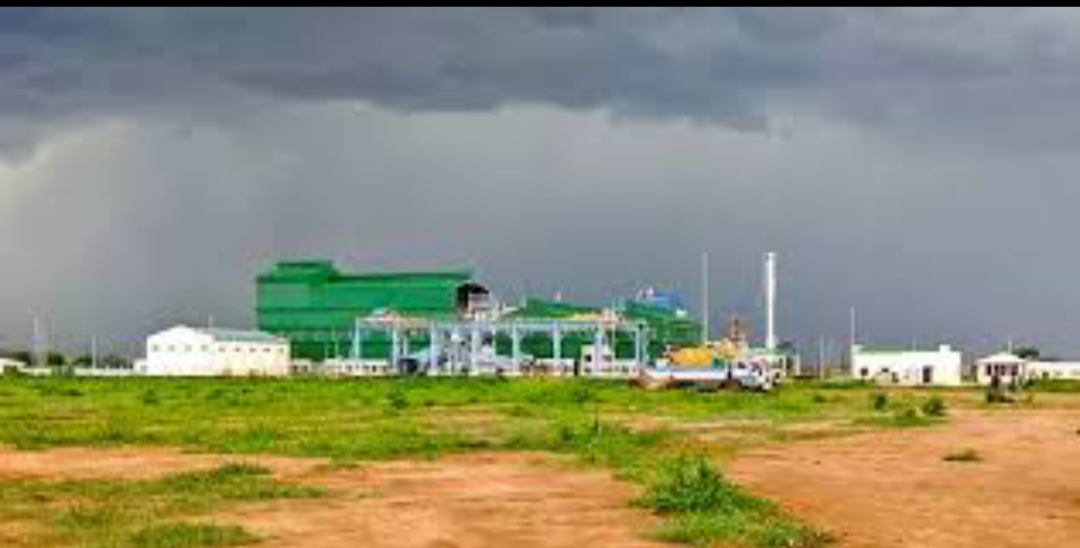
Salima, Malawi — Once hailed as a flagship agro-industrial project, Salima Sugar Company Limited (SSCL) now stands as a symbol of mismanagement, corruption, and broken promises. A recent forensic audit and ongoing court battles reveal that over US $30 million of public and private funds have been mismanaged, while billions more remain unaccounted for.
Public Funds Vanish, Offshore Accounts Found
Investigations have uncovered that SSCL was engaged in financial dealings with foreign companies registered in India, UAE, Seychelles, and South Africa. Shockingly, a senior official reportedly registered a company under the Salima Sugar name in Dubai and opened a bank account without government knowledge. Export revenues and loans meant for Malawi’s sugar industry never reached the state, raising serious questions about where the money went.
Legal Battles and Freezes
The financial chaos has spilled into the courts. SSCL’s bank accounts were frozen after a commercial dispute, halting operations and putting sugarcane farmers at risk. Months later, a court lifted the freeze — but not before supply chains were disrupted, and small-scale farmers lost crucial income.
Political Links, Dubious Contracts
Civil society groups allege that politically connected individuals benefited from contracts that were either never fulfilled or never repaid. Among the scandals: a K1.3 billion sugar import contract from Brazil that yielded no sugar. Loans and credit facilities were extended to insiders, further draining resources.
Governance Breakdown
The company has been operating with weak or irregular leadership structures. The so-called “Executive Chairman” role was never properly sanctioned under company law, leaving decisions open to abuse. Governance lapses, political interference, and opaque reporting have turned what should have been a driver of rural development into a cautionary tale of corporate malfeasance.
Workers and Farmers Left in the Lurch
The human cost is staggering. Thousands of sugarcane growers, factory workers, and small suppliers have been left vulnerable. Delays in milling and disruption of supply chains have meant lost incomes and uncertain livelihoods.
Calls for Full Accountability
Civil society organizations, including the Centre for Democracy and Economic Development Initiatives (CDEDI), are demanding a full forensic and technical audit to trace missing funds, recover misappropriated assets, and hold the guilty accountable.
Malawi’s flagship sugar project has become a cautionary tale: millions lost, rural livelihoods disrupted, and public trust shattered. As legal and forensic investigations continue, the country watches closely — hoping that this scandal will finally lead to accountability, recovery, and reforms that ensure history does not repeat itself.