By Staff Reporter
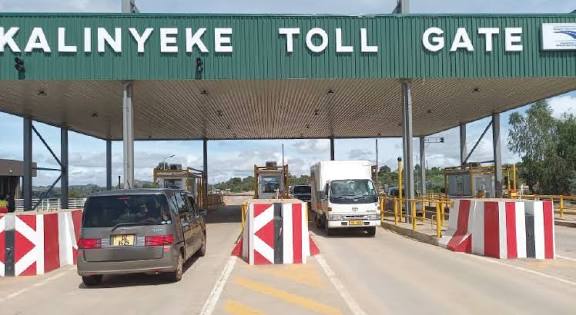
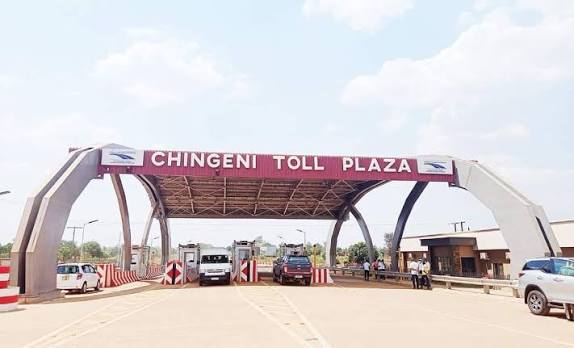
Malawians are increasingly concerned about the management of funds collected at the country’s two tollgates: Chingeni Tollgate Plaza and Kalinyeke Tollgate Plaza in Dedza. Citizens are demanding clear information on how much revenue has been collected, how the funds have been spent, and which roads have benefited from this money.
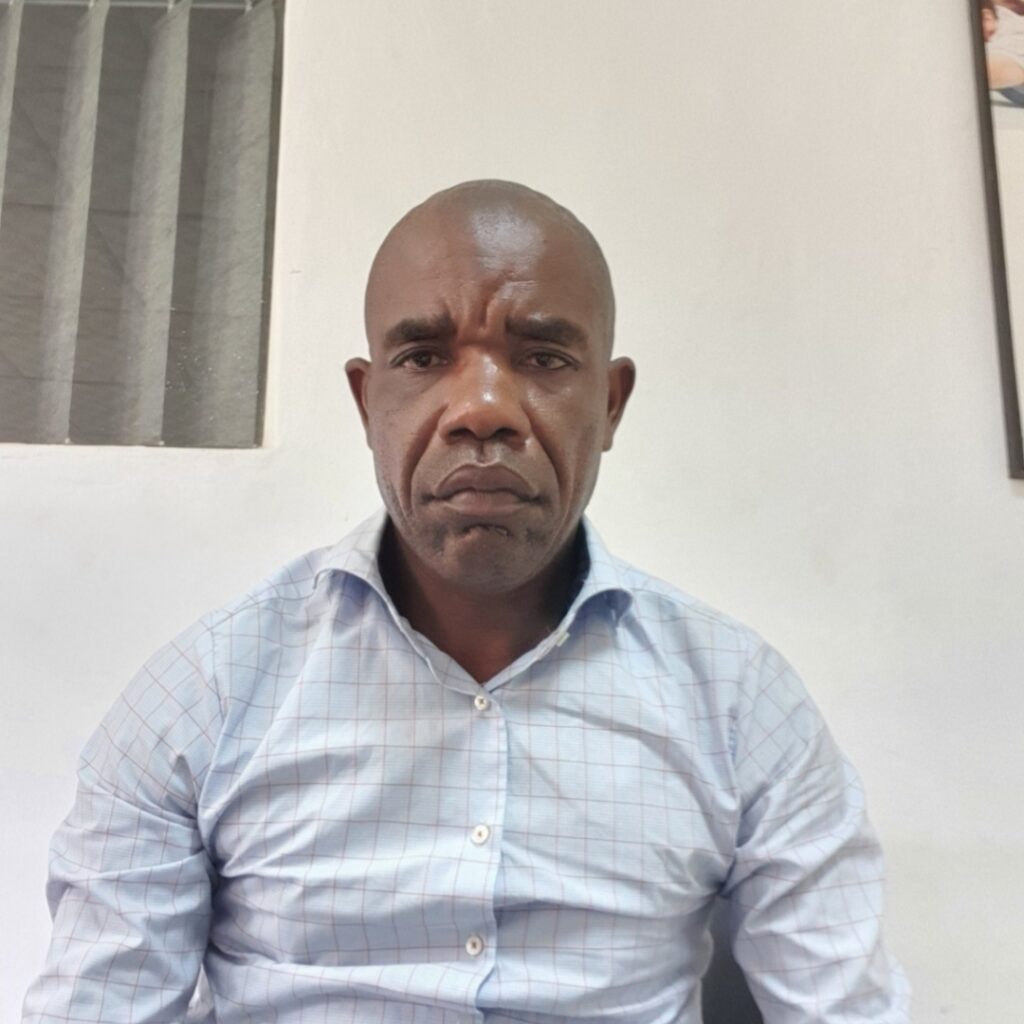
Chiradzulu-based political and social commentator Suleman Chitera said the concerns are valid, noting that toll fees on the M1 highway from Lilongwe to Blantyre are high, yet the road’s condition tells a different story. “Vehicles are required to pay at both Chingeni and Kalinyeke tollgates, effectively doubling the cost for motorists traveling this route. Despite this, the M1 remains in a dilapidated, dangerous state, with potholes, erosion, and unsafe stretches contributing to frequent accidents,” Chitera said.
Investigations reveal that the M1 is one of Malawi’s busiest trade and transport corridors, linking the central and southern regions. Trucks, buses, and private vehicles all rely on this route, making road safety a national priority. However, residents and road users question why toll revenue has not been visibly invested in repairs and upgrades.
Furthermore, questions remain about the transparency and oversight mechanisms governing toll collections. How much revenue has each tollgate generated since its establishment? How much has been allocated to road maintenance versus administrative costs? And what plans exist to rehabilitate the M1 to meet modern safety standards?
Civil society organizations and local transport unions have now joined calls for the government to publish a full audit of tollgate revenue and expenditures. Motorists argue that without accountability, toll fees amount to a tax on danger, paying more while risking lives on poorly maintained roads.
Malawians are watching closely, demanding answers. With lives at stake and toll revenues rising, pressure is mounting on authorities to ensure that the funds collected from Chingeni and Kalinyeke tollgates are used effectively to deliver safe, reliable roads, rather than lining administrative pockets.