By Suleman Chitera
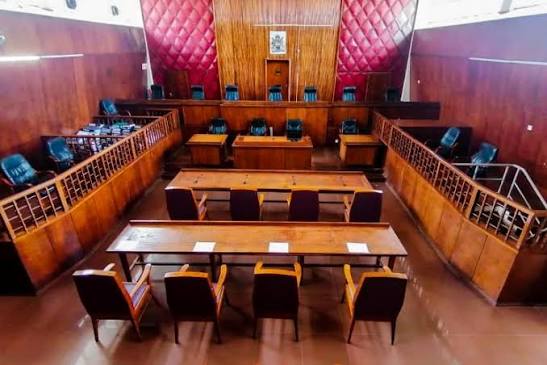
Corruption continues to grow in Malawi, not because anti-graft agencies are inactive, but because the judiciary itself has become a part of the system that hinders the fight against corruption. Many Malawians now believe that corruption cannot end as long as courts continue to operate the way they do today.
There is no denying that the Anti-Corruption Bureau (ACB) often does its job well. The ACB investigates, arrests, and prosecutes people who steal public funds—money that could otherwise be used to develop the country, buy medicines for hospitals, improve schools, and help the poor. But the problem starts when these cases reach the Malawi judiciary.
All too often, individuals caught in major corruption cases are released on bail easily, given the chance to return home and continue misappropriating stolen funds. Many Malawians ask the same troubling question: Do judges or magistrates benefit from these releases? Even without definitive proof, these actions are enough to make the public seriously doubt the integrity of the courts.
This is why much of Malawi’s corruption stems from the courts themselves. If courts were serious about corruption—denying unnecessary bail, ensuring cases are handled swiftly, and imposing strict penalties—Malawi would be much further ahead in the fight against corruption.
Sadly, the judiciary appears overly harsh on the poor. A poor person caught in a minor offense, such as stealing a chicken or a small item to survive, receives no bail and may face harsh sentences—10, 15, or even 20 years in prison. Meanwhile, wealthy or politically connected individuals involved in massive corruption often face no consequences.
This has made the judiciary seem like it serves the rich and powerful, not justice. Such a system cannot help the country fight corruption. Instead, it widens the gap between the wealthy and the poor and erodes public trust in the law.
If Malawi wants a future free from corruption, the judiciary must be reformed urgently and comprehensively. This should include:
- Reviewing how bail is granted in corruption cases
- Ensuring corruption cases are handled swiftly
- Imposing fair and strict penalties regardless of a person’s wealth or influence
- Increasing accountability and oversight within the court system
Without judicial reform, Malawi cannot end corruption. The ACB may do its work well, but if the courts continue as they are, corruption will persist, development will stall, and the poor will continue to suffer. Justice must be equal for everyone—otherwise, the country cannot progress.
- Malawi turns A corner: Mwanamvekha’s economic leadership delivers real relief
 By Suleman Chitera Malawi is witnessing a renewed sense of optimism as Minister of Finance, Joseph Mwanamvekha, continues to steer…
 - Iran signals post-Ramadan military shift, warns of “Surprise” firepower
 By Suleman Chitera Iran’s military has issued a stark warning that it deliberately held back some of its most potent…
 - Namiwa Calls for Probe into Former President Lazarus Chakwera Over Debt, Fuel, and Forex Concerns
 By Contributor The Executive Director of the Centre for Democracy and Economic Development Initiative (CDEDI), Sylvester Namiwa, has intensified calls…
 - Why Alexious Kamangira Is the Right Choice for Attorney General
 By Suleman Chitera Malawi stands at a critical juncture where the rule of law, institutional integrity, and public trust must…
 - Saudi Arabia to celebrate Eid tomorrow
 RIYADH: Saudi Arabia has announced that Eidul Fitr would be celebrated on Friday, according to a statement published by state…