
By Staff Writer
president Peter Mutharika projected himself as a reformist determined to stabilise Malawi’s economy, restore investor confidence, and ease the daily suffering of the poor. Roads were built, public–private partnerships expanded, and fiscal discipline was loudly preached. Yet as policy ambitions gathered pace, another power centre steadily applied the brakes: the judiciary.
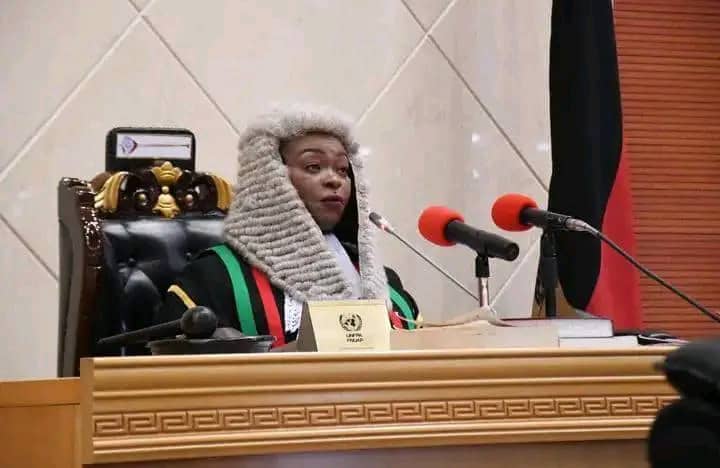
This is not a reckless attack on the rule of law. It is an investigation into a growing public perception that sections of the judiciary have drifted from impartial arbitration into active obstruction of governance—often with devastating consequences for ordinary Malawians.
A Pattern That Raises Questions
Time and again, major policy actions and executive decisions were halted through injunctions and rulings that critics say prioritised technicalities over national interest. Flagship reforms stalled. Contracts were frozen. Administrative momentum collapsed. While courts are mandated to check executive excess, the frequency and timing of these interventions raised legitimate questions: were the rulings about justice—or about power?
Legal experts privately admit that some decisions appeared unusually expansive in scope, effectively substituting judicial discretion for executive authority. The result was paralysis. Ministries hesitated to act, investors lost confidence, and service delivery slowed to a crawl.
The Cost to the Poor
This institutional tug-of-war did not play out in air-conditioned courtrooms alone. It landed squarely on the backs of the poor.
When development projects are delayed by years of litigation, it is rural communities that remain without clinics, roads, and jobs. When fiscal programmes are suspended, it is vendors, farmers, and small traders who feel the pinch first. Judicial activism, however well-intentioned, becomes cruelty when it ignores socioeconomic fallout.
Civil society voices were loud in court but quiet in villages.
Independence or Impunity?
Judicial independence is non-negotiable in a democracy. But independence does not mean immunity from scrutiny. A judiciary that appears politically selective—swift in some cases, glacial in others—invites suspicion. When rulings consistently frustrate one side of the political divide, public trust erodes.
The danger is profound: citizens begin to see the judiciary not as a neutral guardian of justice, but as an unelected veto player shaping national direction without accountability.
The Bigger Democratic Risk
Malawi’s democracy cannot survive on institutional turf wars. Courts must interpret the law, not govern the country by proxy. When judicial decisions repeatedly override elected authority without clear, compelling constitutional necessity, democracy is weakened, not strengthened.
This is the uncomfortable conversation Malawi must now have.
Conclusion
Mutharika’s supporters argue that his vision—economic order, development, and dignity for the poor—was systematically frustrated not at the ballot box, but on the bench. Whether one agrees or not, the evidence of policy paralysis driven by court action is real and measurable.
The judiciary must ask itself a hard question: is it defending justice, or disabling progress?
Because when institutions fight, it is the poor who bleed.