By Suleman Chitera
Lilongwe, Malawi – The Centre for Democracy and Economic Development Initiative (CDEDI) has issued a stern warning to the Reserve Bank of Malawi (RBM), urging it not to release compensation funds following a controversial Supreme Court of Appeal ruling. The court has ordered that an official, whose Finance Bank of Malawi was shut down in 2005, be paid what could amount to between K3 trillion and K5 trillion – money drawn from ordinary Malawians’ taxes.
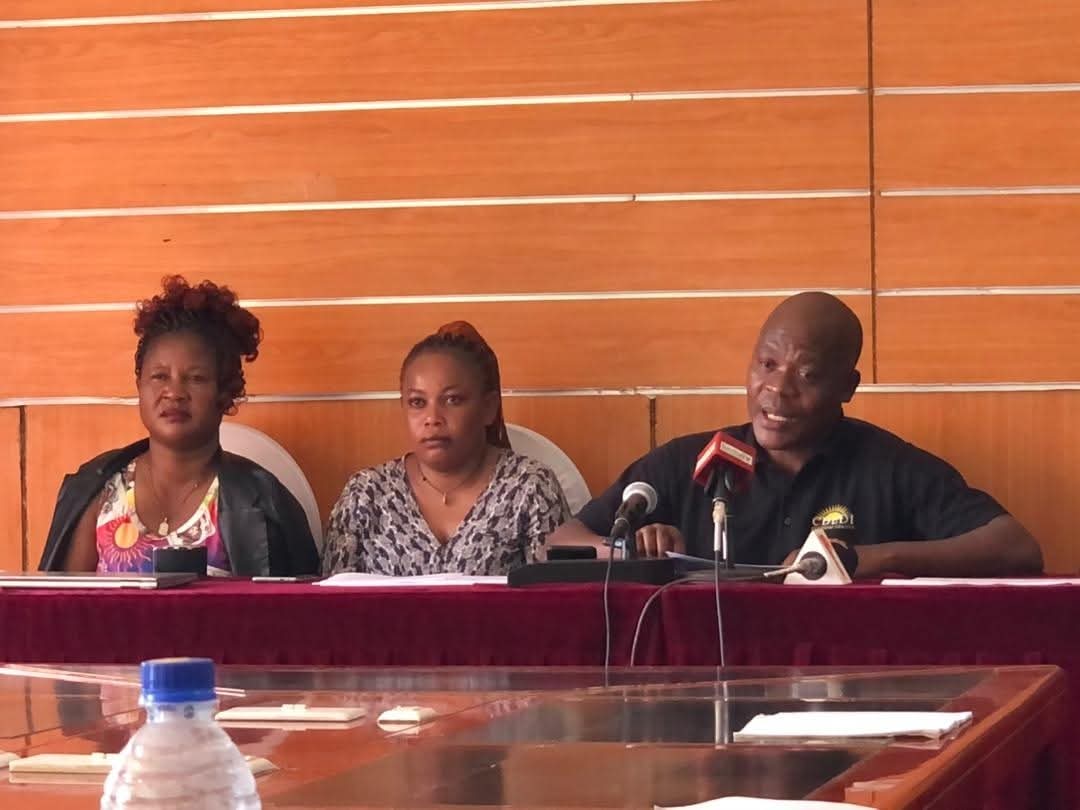
CDEDI Executive Director Sylvester Namiwa addressed the issue at a press briefing in Lilongwe on Thursday, criticizing the judiciary for a decision that, he said, unfairly punishes the public while benefiting one wealthy individual.
“Malawians are already struggling under heavy taxes and financial hardships. To take trillions of kwacha from ordinary citizens to compensate one person is outrageous,” Namiwa said. “All this money would go to a single individual. We at CDEDI will not allow this to happen.”
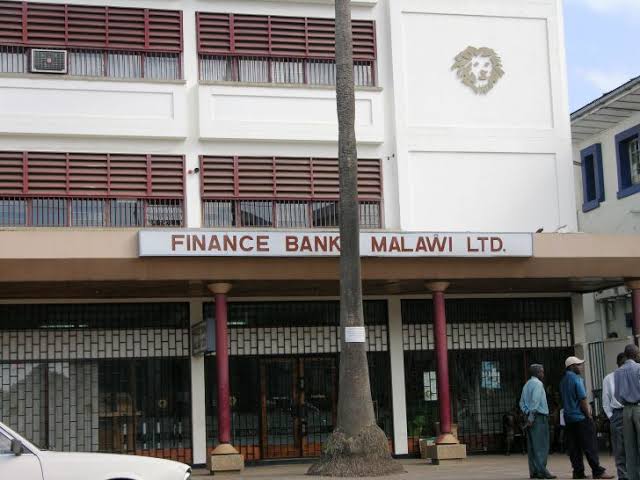
Finance Bank of Malawi was shut down in 2005 for violating Reserve Bank regulations. Over 21 years later, the case has resurfaced, with a court now ordering public funds to settle the matter – a move Namiwa describes as “shocking and unjust.”
He also criticized the judiciary for showing favoritism toward the wealthy, noting that poor Malawians often face harsh penalties, including imprisonment, while affluent figures benefit from legal loopholes.
CDEDI has called on the Chief Justice to intervene and protect public interests. Namiwa warned that if authorities ignore these concerns, the organization will launch a signature campaign demanding the resignation of judges who approved the ruling.
“This is not just about one bank or one official. This is about the principle of fairness and protecting Malawians from being exploited,” Namiwa emphasized.
The controversy has sparked widespread outrage, raising serious questions about judicial independence, accountability, and the protection of taxpayer money in Malawi.