By Suleman Chitera
The Namaa Relief and Development Organisation has reaffirmed its dual commitment to advancing Islamic teachings and strengthening food security interventions as part of a broader strategy to combat hunger and socio-economic vulnerability among Muslim communities in Malawi.
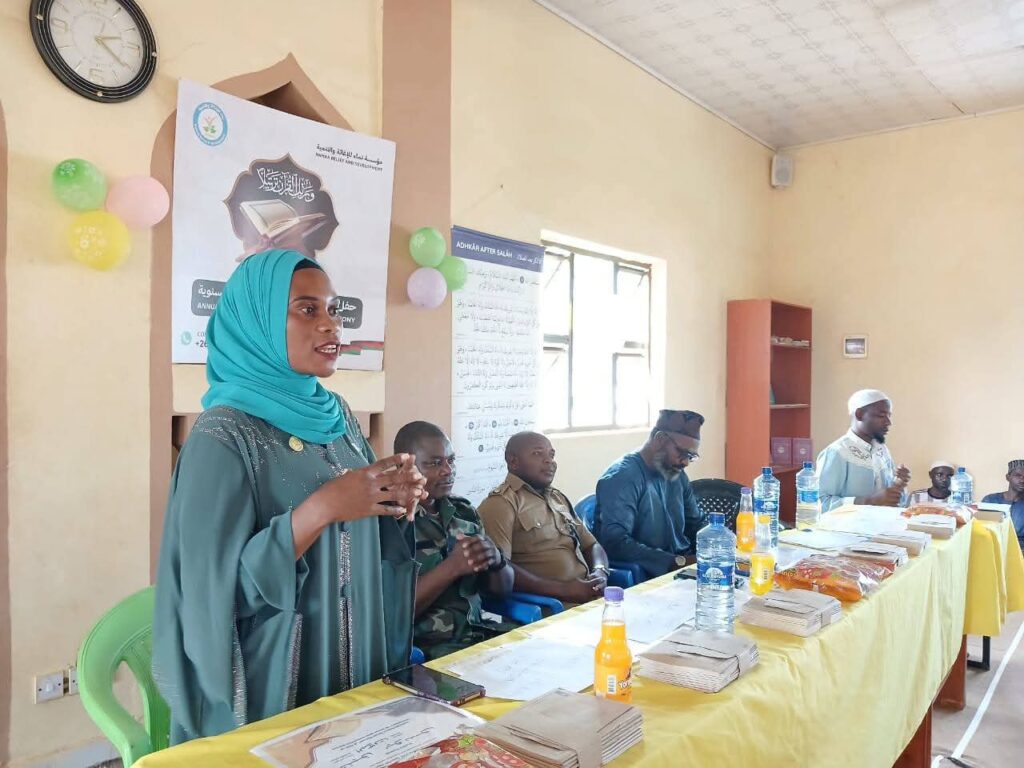
Speaking in Lilongwe during an award ceremony recognising outstanding Muslim youths, the organisation’s Managing Director, Dr Abdullah Helal, outlined an ambitious development agenda anchored in faith-based values and community empowerment.
Faith-Centred Development Model
Helal emphasised that Namaa Relief’s operational philosophy integrates religious education with socio-economic development. He noted that beyond food assistance, the organisation prioritises strengthening Islamic knowledge through structured teaching of the Holy Quran, Hadith, and Arabic studies.
According to Helal, equipping young Muslims with a strong foundation in Quranic education fosters moral discipline, civic responsibility, and community leadership—qualities essential for sustainable national development.
“Our mission is not only to alleviate immediate hardship but to build resilient communities through education, health services, economic empowerment, and religious support,” Helal said.
Strategic Expansion: 2024–2029 Plan
Central to Namaa Relief’s long-term vision is a strategic plan covering 2024 to 2029, designed to scale up both humanitarian and infrastructure interventions.
Helal disclosed that the organisation aims to double the number of beneficiaries across its health, education, religious, and development programmes to reach 25,000 people by 2029.
Key infrastructure targets under the plan include:
- Construction of 10 health clinics
- Establishment of five public schools
- Development of 100 Sharia schools
The integrated infrastructure model seeks to bridge gaps in essential services while preserving religious identity and values within Muslim communities.
Call for Educational Excellence
Member of Parliament for Lilongwe City Kamphuno Constituency, Khadija Leah Chunga, who attended the event, urged Muslim youth to excel in both conventional academic education and madrassah studies.
She stressed that education remains a critical pillar of national development and encouraged learners to balance religious and secular studies to broaden their opportunities and contribution to society.
Recognising Academic and Religious Achievement
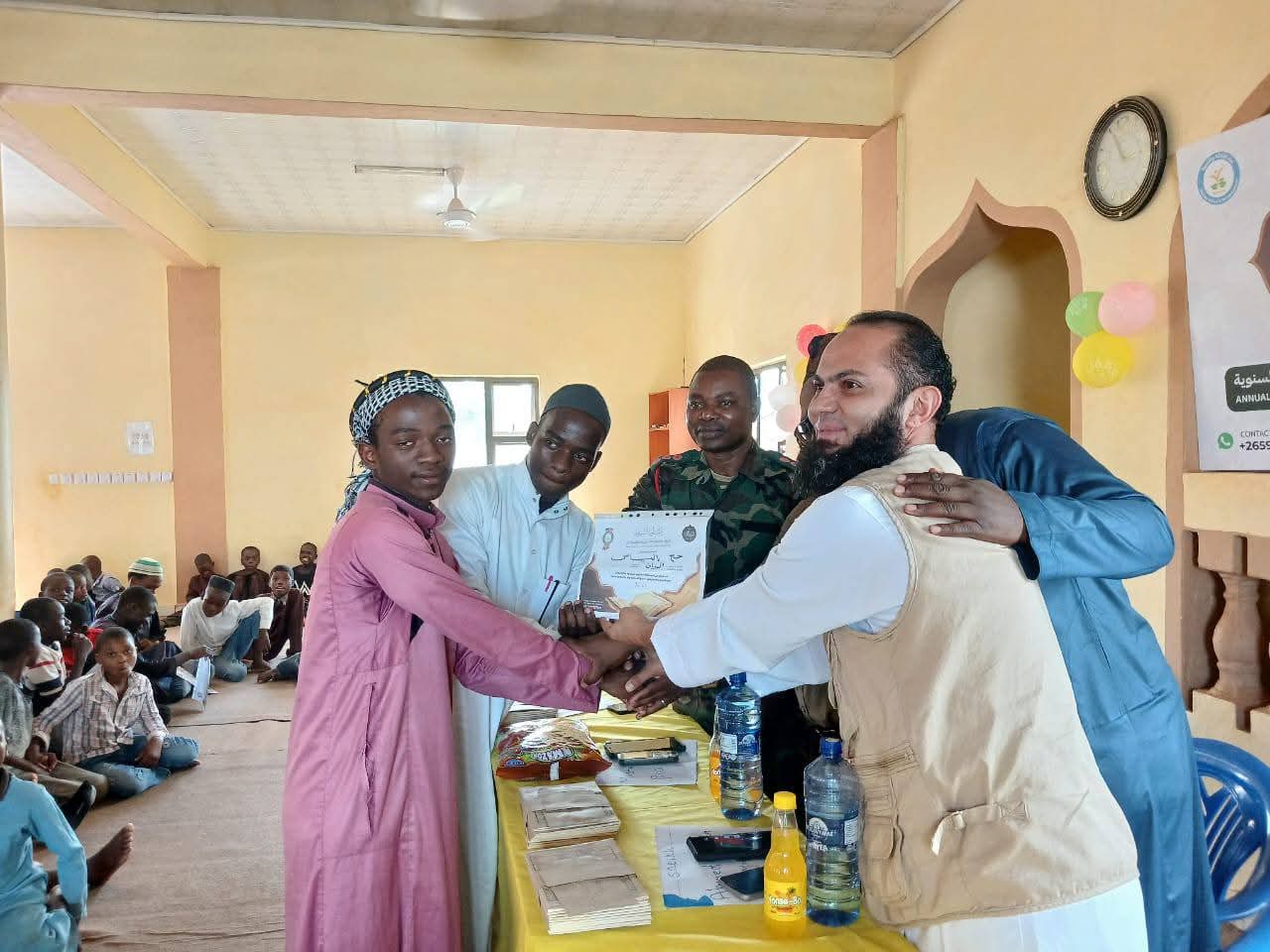
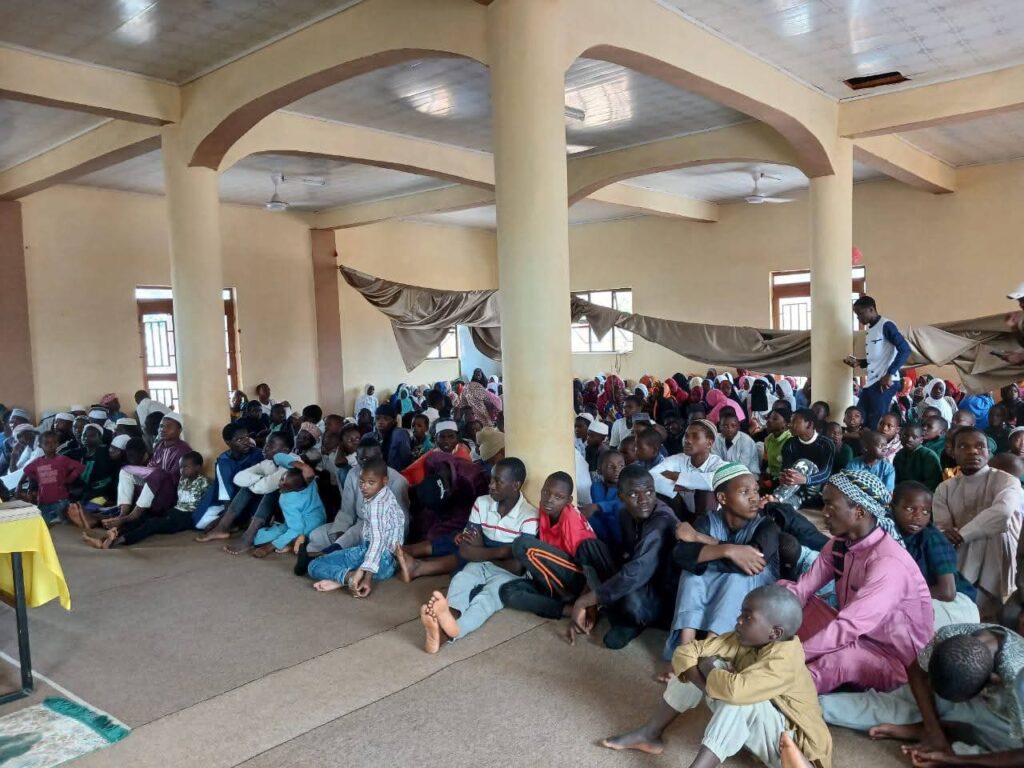
The ceremony also featured a Quran competition aimed at promoting memorisation and deeper understanding of Islamic teachings among young people.
One of the top-performing students from Area 24 Albayaan Madrassah, Hajie Elias, expressed gratitude to Namaa Relief for organising the competition. He said the initiative has strengthened Quranic literacy and inspired many youths to commit themselves more seriously to religious studies.
Elias was awarded a certificate and a cash prize of K150,000 in recognition of his achievement.
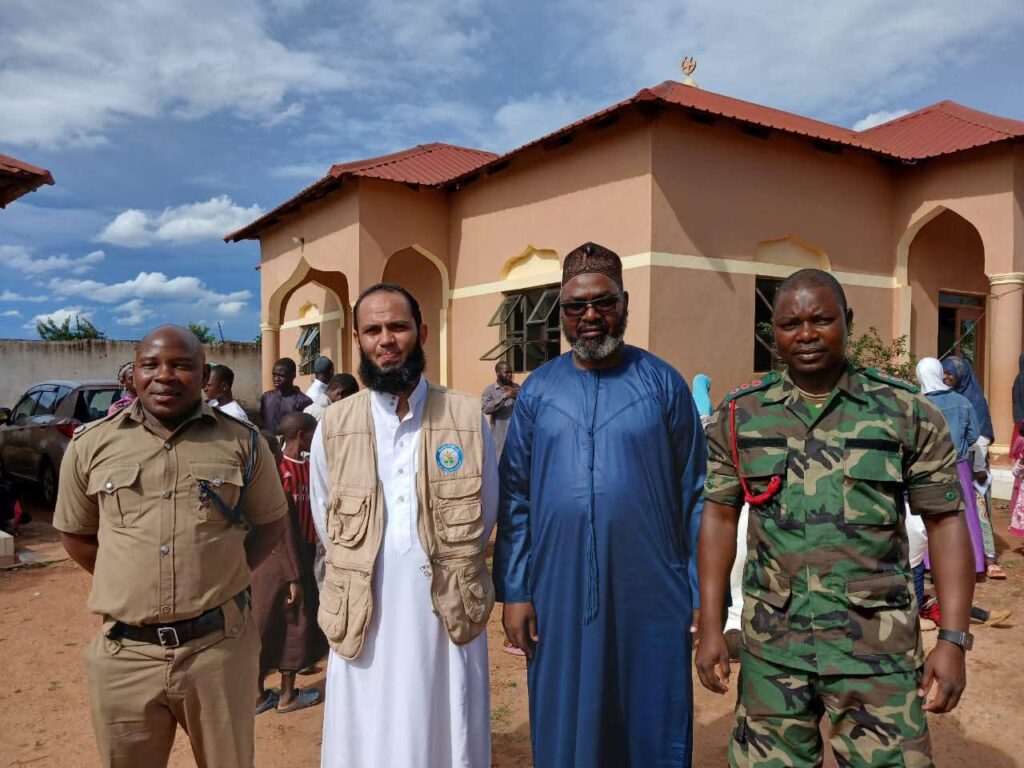
The event attracted various dignitaries, including Sheikh Ahmad Chienda and Police Officer Sheikh Mustafa Chibwana, reflecting broad community support for faith-driven development initiatives.
Strengthening Social Impact Through Faith
As Malawi continues to grapple with economic pressures and food insecurity, faith-based organisations such as Namaa Relief are increasingly positioning themselves as critical partners in humanitarian response and grassroots development.
By combining food assistance, infrastructure development, and Islamic education, the organisation is seeking to deliver both immediate relief and long-term transformation within vulnerable communities.
If successfully implemented, its 2024–2029 strategy could significantly expand access to essential services while reinforcing religious education as a tool for personal discipline, social cohesion, and responsible citizenship.