By Burnett Munthali
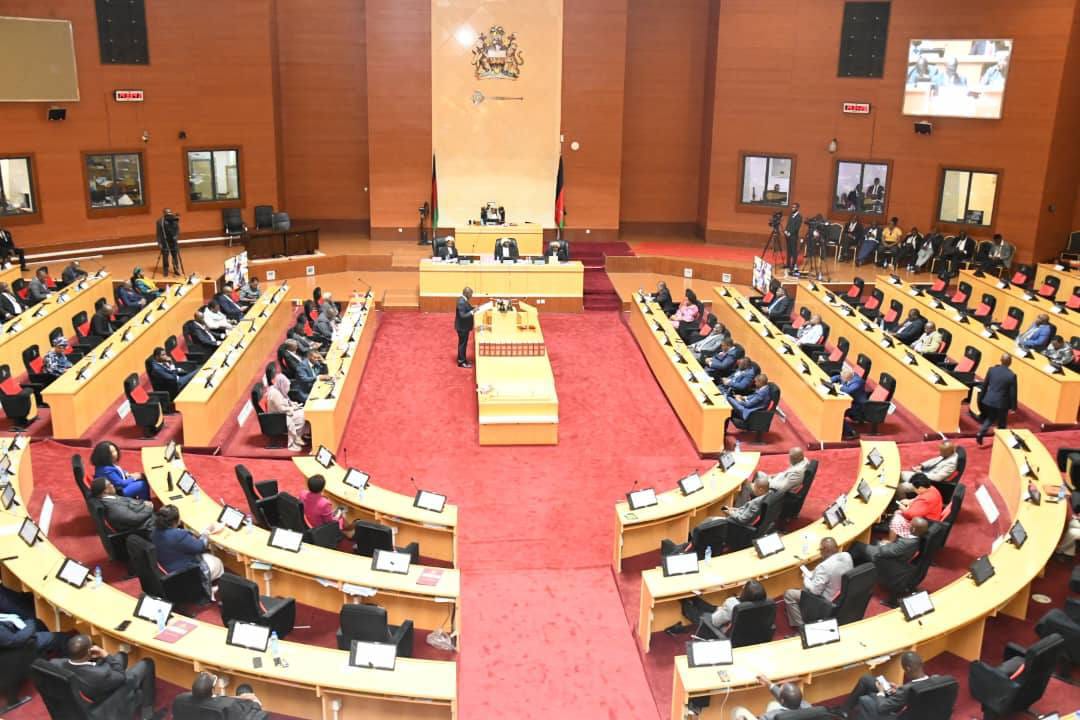
A staggering 159 members of parliament were absent from the latest parliamentary sitting, sparking widespread concerns about their commitment to representing their constituents. This alarming trend has raised questions about the effectiveness of parliamentary proceedings and decision-making.
The absence of such a significant number of lawmakers is particularly worrying, given the crucial role they play in shaping the country’s laws and policies. With only 71 MPs present, the parliament’s ability to conduct meaningful business has been severely hampered.
The implications of this absenteeism are far-reaching, with potential consequences for the country’s development and governance. The absence of MPs may lead to delayed or poorly considered decisions, ultimately affecting the lives of Malawians.
The Speaker of Parliament has warned that measures will be taken against absent MPs, including the withholding of allowances. This move has been welcomed by citizens, who are demanding accountability from their elected representatives ¹ ².
The issue of parliamentary absenteeism is not new, but the scale of the problem is alarming. It’s imperative that MPs take their responsibilities seriously and prioritize their duties to the nation.