By Suleman Chitera
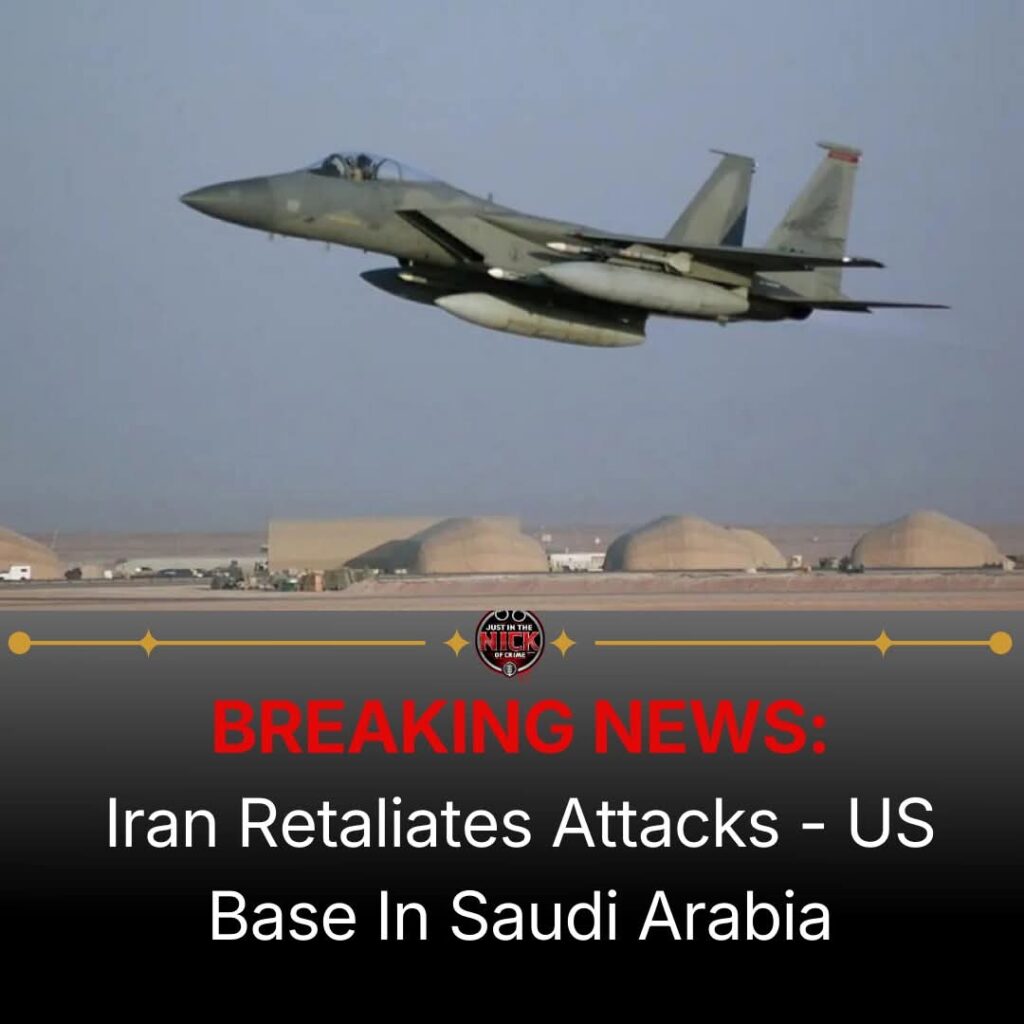
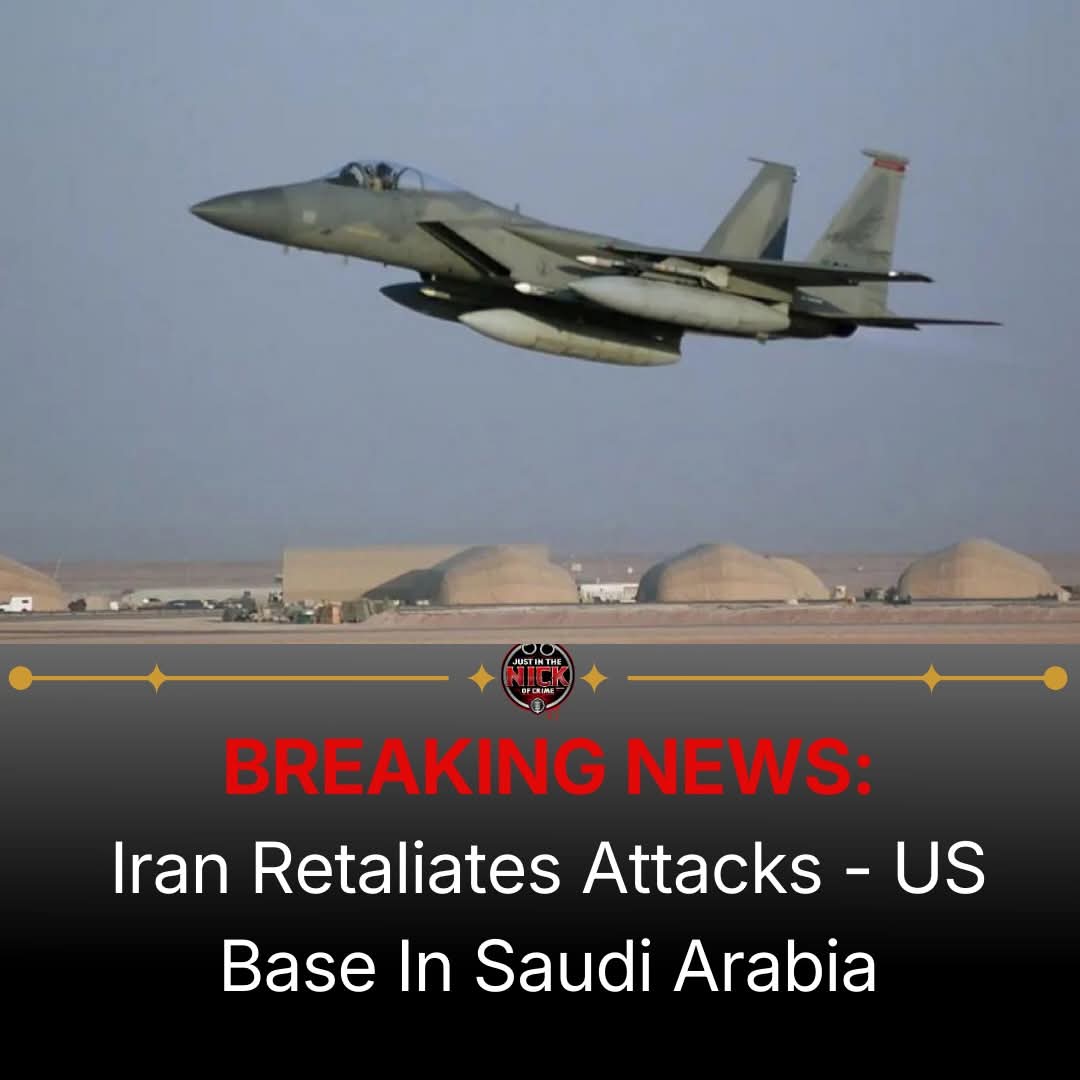
Tensions in the Middle East have escalated dramatically after Iran launched a surge of ballistic missiles targeting a United States military base in Saudi Arabia, marking one of the most direct confrontations between the two countries in recent history.
According to reports from the New York Post and other international outlets, the strike was carried out directly by Iran rather than through a proxy force or allied militia. The missiles were reportedly aimed at a base hosting American personnel, signaling a significant shift from indirect conflict to open military retaliation.
The attack comes only hours after coordinated strikes by the United States and Israel on targets inside Iran earlier in the day, operations that Iranian officials say resulted in civilian casualties.
Direct Strike Marks Dangerous Escalation
Ballistic missiles are among the most powerful conventional weapons in modern arsenals. Designed to travel long distances at extremely high speeds, they are capable of delivering devastating explosive payloads against military installations and strategic infrastructure.
Air defense systems in Saudi Arabia were reportedly activated shortly after the missiles were launched. Military officials are still assessing the extent of any damage and whether there were casualties among U.S. personnel stationed at the base.
If confirmed, the strike represents a rare instance of Iran directly targeting American forces in another country, significantly raising the stakes of the unfolding conflict.
Regional Impact and Strategic Risks
Analysts warn that Iran’s decision to strike a U.S. military installation on Saudi soil broadens the geographic scope of the crisis. The region hosts numerous strategic assets, including major oil facilities, shipping routes, and densely populated cities.
Saudi Arabia is home to several military bases and defense systems used by the United States as part of its regional security presence. An attack on such installations risks pulling additional countries into the confrontation and threatening global energy markets.
The development also heightens fears that the conflict could expand beyond a limited exchange of strikes and evolve into a broader regional war.
Civilian Casualties Fuel Retaliation
Iranian authorities say the earlier strikes carried out by U.S. and Israeli forces inside the country caused civilian casualties. Officials claim that the attack hit areas in the southern city of Minab, including a girls’ elementary school, resulting in the deaths of civilians, among them children.
These claims have not yet been independently verified, but they have fueled public outrage in Iran and intensified calls for retaliation.
Iranian military and political leaders had earlier warned that any attack on its territory—particularly one causing civilian casualties—would trigger a forceful response.
World Watches for Next Move
With the first round of retaliation now underway, global attention has shifted to how Washington will respond. A counterstrike by the United States could further escalate the situation, potentially drawing in additional regional actors.
Diplomatic channels are reportedly being activated by several international powers in an attempt to prevent the confrontation from spiraling into a wider conflict.
For now, the situation remains highly fluid. Military forces across the Middle East are on heightened alert as governments assess the risks of further escalation.
What began as a targeted strike inside Iran has rapidly evolved into a direct military exchange between Tehran and Washington, raising fears that the region may be entering one of its most volatile moments in decades.
- Kamphangala hopes civil service headcount to expose ghost workers
 By Vincent Gunde A Malawi Congress Party ( MCP) diehard of Mvera in Dowa district Mr. Rodgers Kamphangala, has expressed…
 - Iran Launches Ballistic Missiles at U.S. Base in Saudi Arabia in Direct Retaliation
 By Suleman Chitera Tensions in the Middle East have escalated dramatically after Iran launched a surge of ballistic missiles targeting…
 - Ayuba complains of his paying school fees kids out of school
 By Vincent Gunde Counsel Silvester Ayuba James who is also Nkhotakota central constituency legislator, has complained that some kids who…
 - Limpopo FM vows to stand with Malawians not an individual person
 By Suleman Chitera Limpopo FM online radio station, has vowed to stand with Malawians not an individual person saying the…
 - UAE Bars U.S. From Using Its Airspace for Strikes on Iran Amid Rising Regional Tensions
 By Suleman Chitera The United Arab Emirates has formally prohibited the United States from using its sovereign airspace for any…
 - Pressure Mounts on Chakwera as MCP Members Demand Leadership Shake-Up
 By Suleman Chitera A grouping of members from the Malawi Congress Party (MCP), operating under the banner MCP Revolution for…
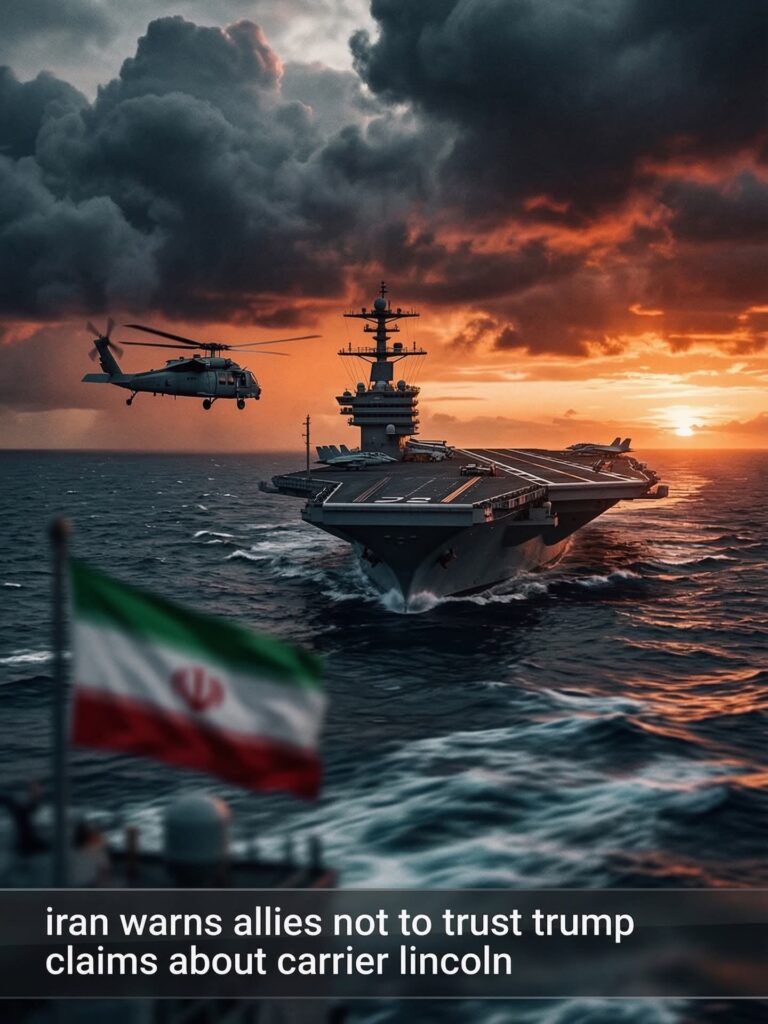
 - Iran Urges U.S. Allies to Verify ‘Abraham Lincoln’ Carrier Withdrawal, Warns Against Trusting Trump
 By Suleman Chitera Tensions in the Middle East have intensified after Iran’s parliamentary leadership urged U.S. allies to independently confirm…
 - Engineers hit back: “Don’t’ blame us for cheap roads” — professionals challenge minister over infrastructure crisis
 By Suleman Chitera A heated debate has erupted over the quality of Malawi’s infrastructure after Minister of Local Government and…
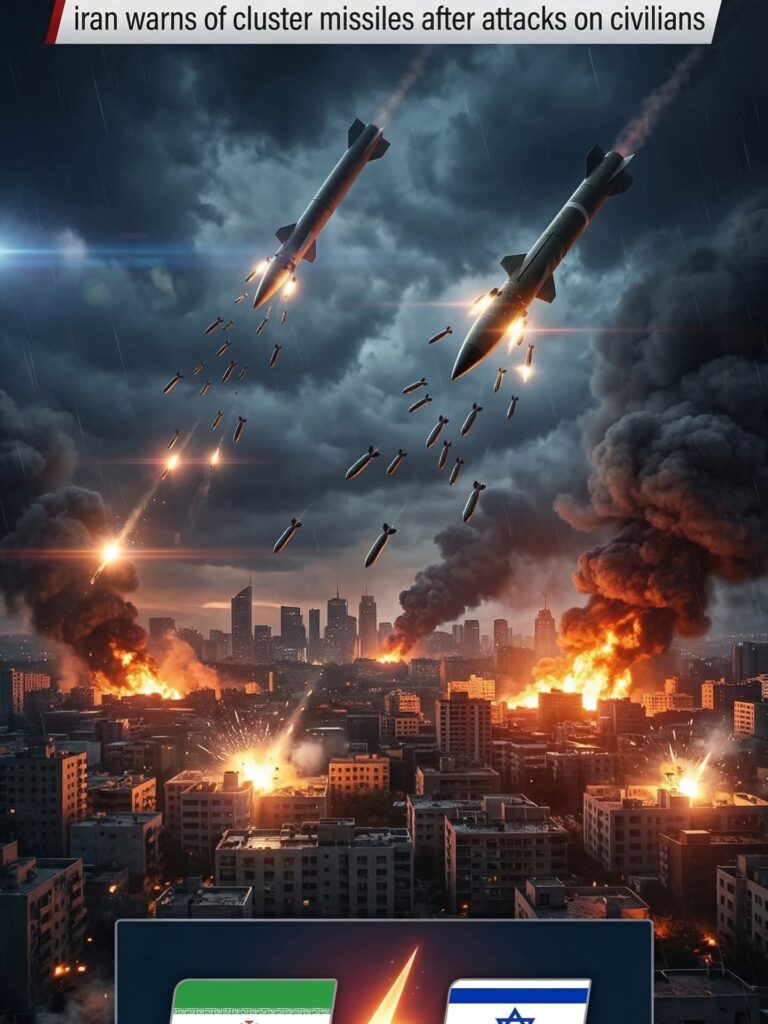
 - Iran Issues Explosive Warning: Revolutionary Guard Threatens Cluster Missile Response if Civilians Are Attacked AgainBy Suleman Chitera Iran has issued a stern and alarming warning, declaring that any further attacks targeting civilian areas within…
- Calls Grow for Transparent MAM Elections and Leadership Renewal
 By Suleman Chitera As the Muslim community in Malawi prepares for fresh elections within the Muslim Association of Malawi (MAM),…
 - Limpopo FM accuses Malata of saying no to Chilima’s inquiry
 By Suleman Chitera Limpopo FM online radio station, has accused Mr. Billy Frederick Malata of saying no need for the…
 - IOM to implement RE2CUD project in Malawi
 By Vincent Gunde The International Organization for Migration (IOM), a United Nations agency responsible for migration issues, with support from…
 - Russia Accused of Sharing U.S. Military Intelligence With Iran Amid Rising Middle East TensionsBy Suleman Chitera Senior officials in the United States Government have revealed that Russia is allegedly providing sensitive military intelligence…
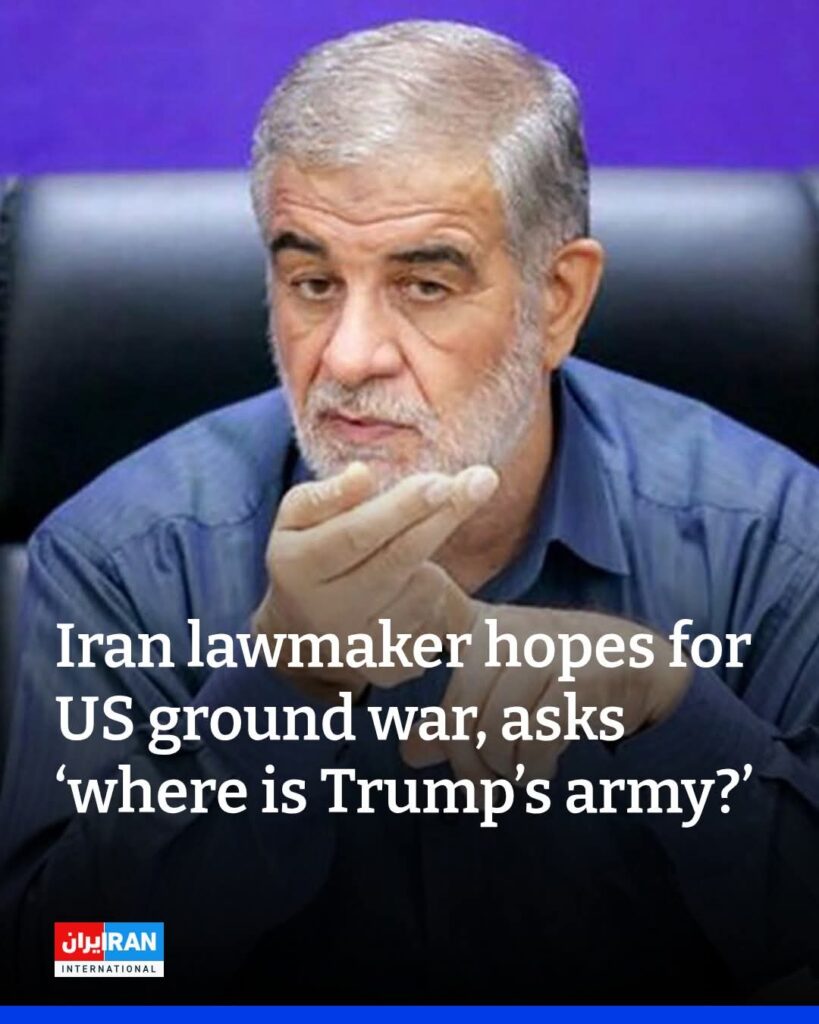
- Iranian Lawmaker Calls for Ground War With U.S., Says ‘Diplomacy Is No Longer Enough’By Suleman Chitera An Iranian lawmaker has sparked fresh fears of a wider regional conflict after openly calling for the…
- NBM plc gives K12 million to Rotary Club of Blantyre to support rural healthcare
 By Suleman Chitera National Bank of Malawi (NBM) plc has given K12 million to the Rotary Club of Blantyre to…
 - PIL installs K11.5 million solar water pump to rural Balaka hospital
 By Suleman Chitera Petroleum Importers Limited (PIL) Friday donated a solar-powered water pump worth K11.5 million to Chiyendausiku Health Centre…
 - Kamphangala accuses Mega farmers of demanding apology from Agriculture Minister
 By Vincent Gunde A Malawi Congress Party (MCP) diehard of Mvera in Dowa district Mr. Rodgers Kamphangala, has accused Mega…
 - Concerned citizen says Chakwera was a waste of time to MalawiansBy Vincent Gunde A concerned citizen of Malawi Mrs. Elizabeth Kaliza Banda of Area 51 in Lilongwe, says Malawians are…