By International Investigator, Gulf
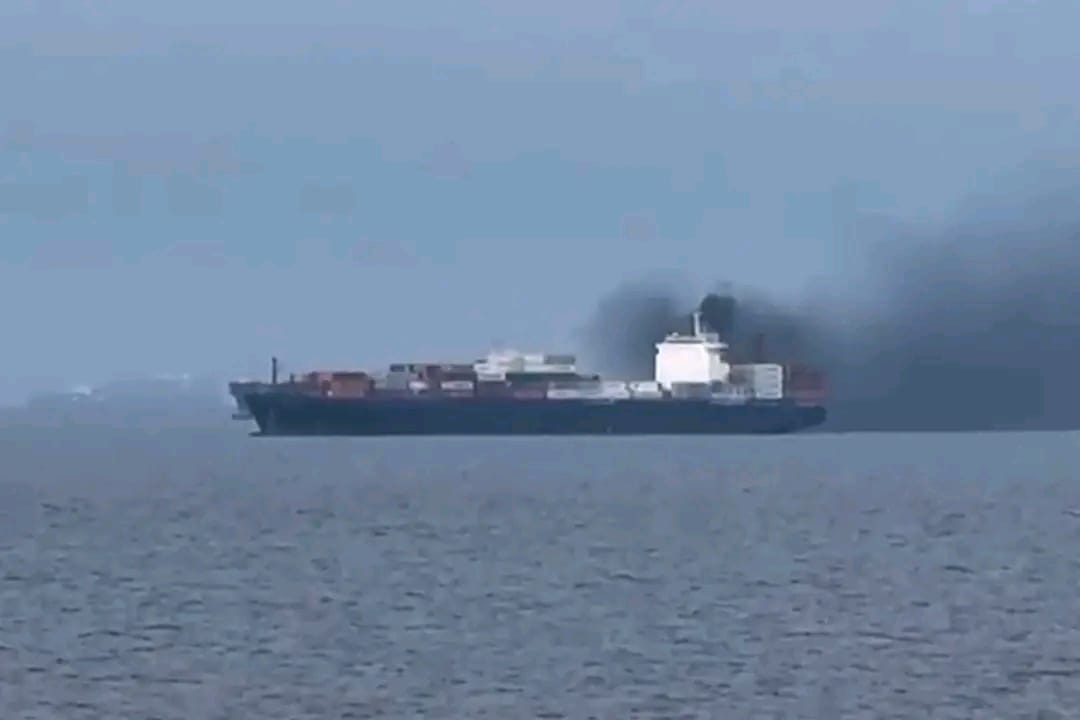
The arrival of the Chinese tracking ship Liaowang‑1 in the strategic waters of the Gulf of Oman has triggered concern among defence analysts amid growing tensions in the Middle East.
The vessel, often described by experts as a “floating supercomputer,” is believed to be monitoring military movements linked to the ongoing confrontation between Western forces and Iran.
Security analysts say the approximately 30,000-ton ship is equipped with advanced radar and electronic intelligence systems capable of tracking more than 1,000 airborne objects simultaneously, including missiles, aircraft and drones.
Intelligence Support Allegations
Military observers believe the ship could be gathering signals intelligence (SIGINT) that may indirectly benefit Tehran. Analysts suggest that such information could help Iranian forces identify and track potential targets with greater precision.
While there has been no official confirmation from Beijing, some defence experts argue that the deployment may effectively give Iran enhanced situational awareness without direct Chinese military involvement.
High-Tech Surveillance Capabilities
Experts say the vessel’s sophisticated systems allow it to generate a detailed electronic map of activity across the region.
This capability could potentially make it more difficult for Western military units operating in the area to conceal their movements. The ship’s monitoring systems reportedly track missile launches, satellite signals and other communications across a wide radius.
Beidou Navigation Advantage
China is also believed to be relying on its satellite navigation network, BeiDou Navigation Satellite System, which operates independently from Western systems such as GPS.
The use of BeiDou could allow Chinese systems to continue operating effectively even if Western forces attempt to disrupt communications through electronic warfare.
Operating in International Waters
The vessel is reportedly positioned in international waters, which legally allows it to operate without violating territorial sovereignty. Defence observers note that Chinese naval escorts may be nearby, a move that would complicate any attempt to interfere with the ship’s operations.
Growing Geopolitical Tensions
Analysts say the deployment signals a new dimension in the strategic competition between global powers.
Rather than direct military engagement, Beijing appears to be using advanced surveillance and intelligence capabilities to influence the balance of power in the region.
For security experts, the presence of Liaowang-1 highlights how modern conflicts increasingly involve space-tracking technology, cyber intelligence and satellite navigation systems, transforming the battlefield far beyond traditional military confrontations.
As tensions continue to rise in the region, the role of such high-tech platforms could become a decisive factor in shaping the evolving geopolitical landscape.
- China’s Liaowang-1 Arrives in Gulf of Oman, Raising Security Concerns
 By International Investigator, Gulf The arrival of the Chinese tracking ship Liaowang‑1 in the strategic waters of the Gulf of…
 - Mbeta Fails to Appear Before PAC Over Amaryllis Hotel Deal
 By Our Reporter Government’s Chief Legal Adviser Frank Mbeta on Monday morning failed to appear before the Parliamentary Public Accounts…
 - New Toyota Prado 2026: Rugged Off-Roader with Modern Tech and Luxury Interior
 By Suleman Chitera The 2026 Toyota Prado has finally been unveiled, bringing a bold new direction to one of the most respected…
 - Reports Claim U.S. Troops Refusing Orders in Iran Conflict
 By Suleman Chitera Reports circulating in Washington suggest that some members of the United States military have allegedly refused to…
 - Organisation Pumps K1 Billion into Ramadan Food Aid Programme
 By Suleman Chitera An organisation has injected nearly K1 billion into a nationwide Ramadan food assistance programme that has so…
 - Muluzi Pressures Mutharika to Move Beyond Talk in Fight Against Corruption
 By Suleman Chitera Leader of the Atupele Muluzi has challenged Malawi’s former president Peter Mutharika to move beyond rhetoric and…
 - Former Immigration Director General Brigadier Charles Kalumo Arrested Over Abuse of Office Allegations
 By Our Reoorter Police in Malawi have arrested former Director General of the Department of Immigration and Citizenship Services, Charles…
 - DIRECT THREAT: Iran Warns Trump Family Businesses Could Be Targeted in Escalating Conflict
 By Suleman Chitera Tensions between the United States and Iran have taken a more personal turn after an Iranian official…
 - NBM plc pumps K5.5 million into MLS conference
 By Suleman Chitera The National Bank of Malawi (NBM) plc has pumped K5.5 million towards the upcoming Malawi Law Society…
 - UN Chief Condemns ‘Institutional Discrimination’ Against Muslims Worldwide
 By Suleman Chitera António Guterres has condemned what he described as growing “institutional discrimination” against Muslims around the world, warning…
 - Iran Says Strait of Hormuz Remains Open and Under Its Control
 By Staff Reporter TEHRAN — Iran’s Islamic Revolutionary Guard Corps (IRGC) has stated that the Strait of Hormuz remains open…
 - Iran Claims U.S. Seeking Help From Major Powers to Secure Ceasefire
 By Suleman Chitera Iran has claimed that the United States, under President Donald Trump, is now asking major global powers…
 - Iran Reopens Strait of Hormuz to Most Nations, Bars U.S., Israel and Allies
 By Suleman Chitera Tensions in the Persian Gulf remain high after Iran announced that the strategic Strait of Hormuz is…
 - Iran Warns Ukraine Could Become “Legitimate Target” Over Drone Support to Israel
 By Suleman Chitera Iran has warned that Ukraine could face potential military retaliation if it continues assisting Israel in countering…
 - Call for A national Anti-Corruption demonstrations
 by Senior Citizen Willard Mhone Fellow Malawians, Recent developments surrounding the Amaryllis Hotel transaction have raised serious questions among citizens…
 - Controversy Surrounds Sale of Amaryllis HotelBy Staff Reporter The sale of the Amaryllis Hotel has sparked fresh controversy after it emerged that several individuals were…
- Russia Sends 13 Tons of Humanitarian Medical Aid to Iran Amid Ongoing Conflict
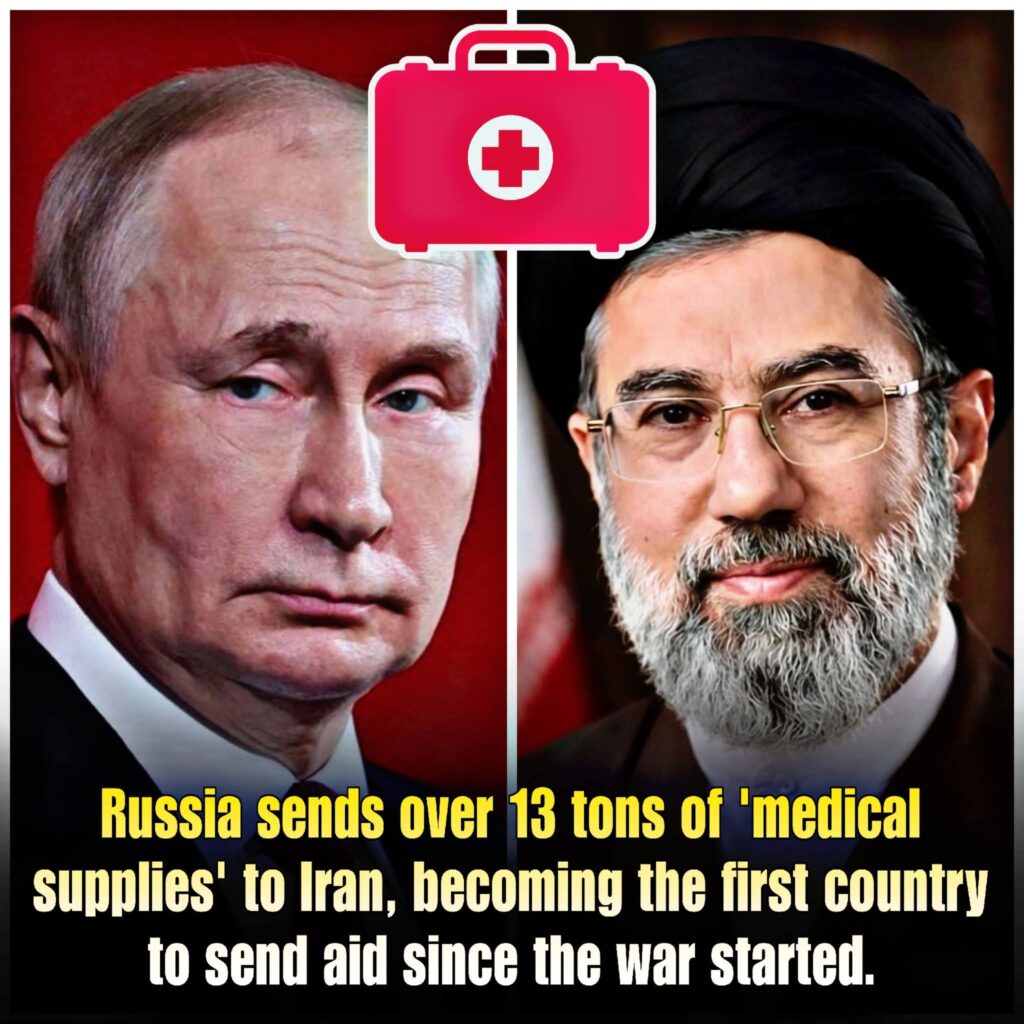 By Suleman Chitera Russia has delivered more than 13 tons of humanitarian medical supplies to Iran, becoming the first country…
 - Standard Bank tees off SKC memorial golf with K20 million donation
 By Suleman Chitera Standard Bank of Malawi Plc has pumped in K20 million into the inaugural Saulos Klaus Chilima (SKC)…
 - Former Qatari PM Warns of Serious Consequences if Iran Tensions Escalate into Regional War
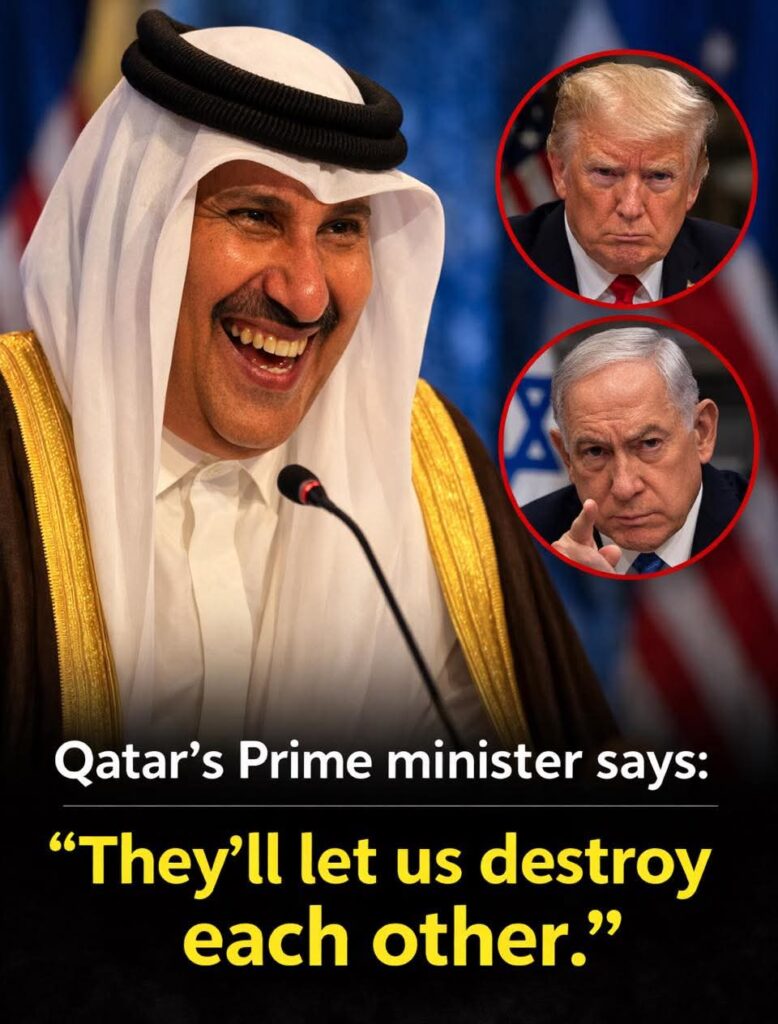 By Suleman Chitera Former Qatari Prime Minister Hamad bin Jassim bin Jaber Al Thani has warned that escalating tensions involving…
 - Breaking News: Explosion Halts Oil Operations at Fujairah Port
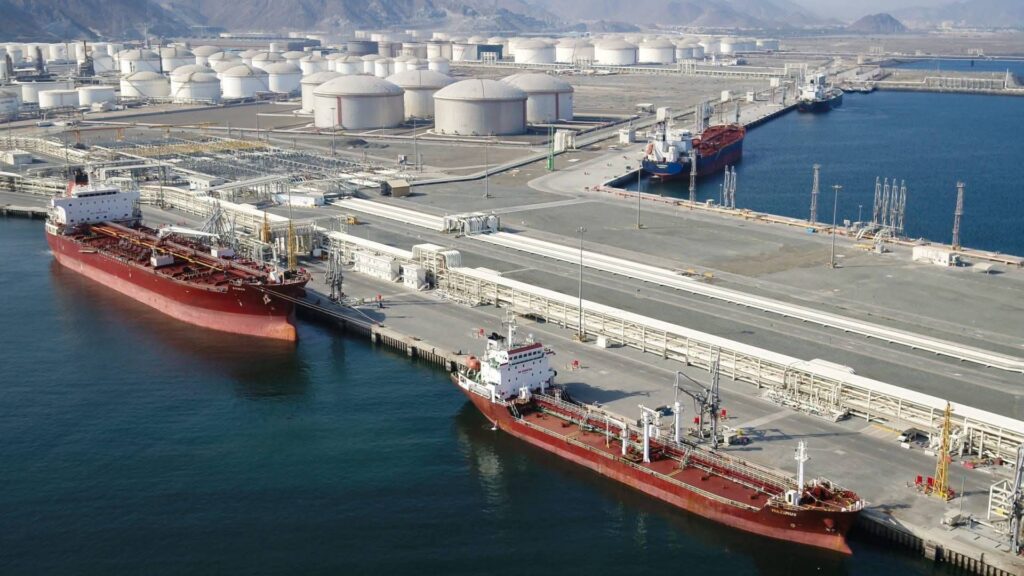 By Suleman Chitera Oil loading operations have been suspended at the port of Fujairah near the strategic Strait of Hormuz…
 - Islamic Revolutionary Guard Corps General Ibrahim Jabari Warns Iran Ready for Long War With United States
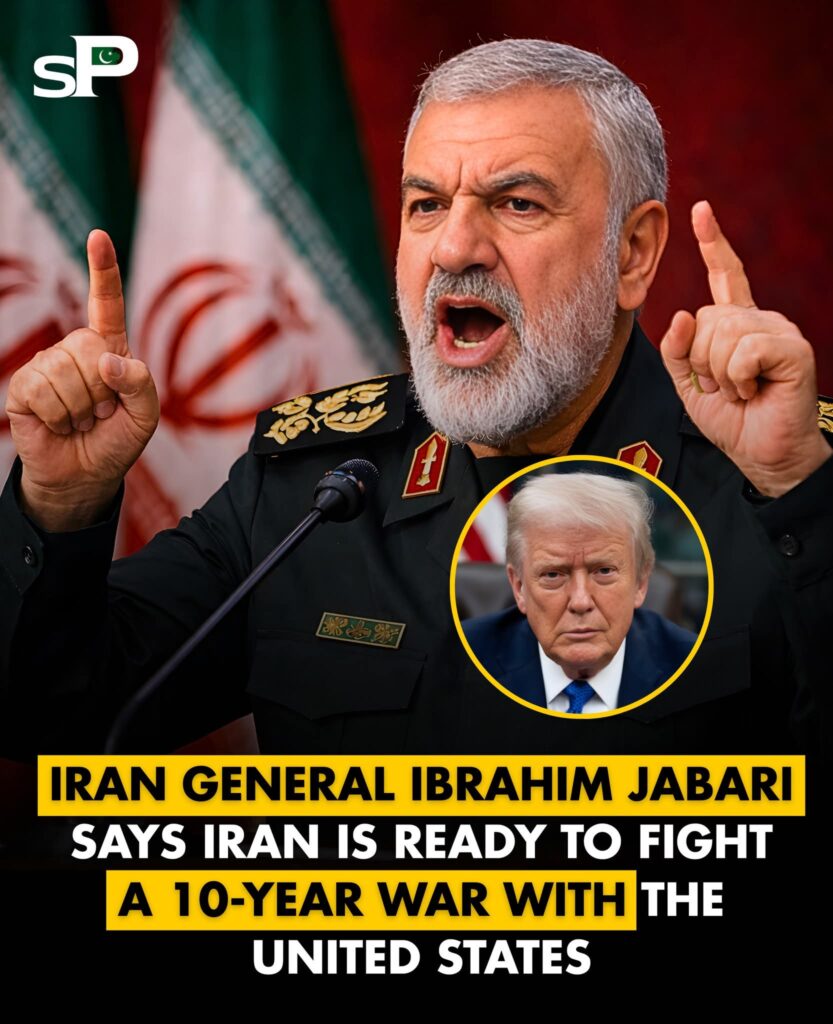 By Suleman Chitera Tensions between Iran and the United States have taken a sharper tone after senior commander Ibrahim Jabari…
 - ACB Recognizes CCYCDO as Community Anti-Corruption Champion
 By: Felix Van Captain Oggess The Anti-Corruption Bureau (ACB) in Balaka has awarded a certificate of recognition to CCYCDO for…
 - SeedCo plants K10 million into SKC Charity golf
 By Suleman Chitera SeedCo Malawi has contributed K10 million towards the procurement of dialysis and monitoring machines for kidney failure…
 - NICO Group fires up SKC Charity golf with K25 million sponsorship
 By Suleman Chitera Conglomerate NICO Group has thrown its weight behind the Saulos Klaus Chilima Foundation’s Charity Fundraising Golf Tournament…
 - Iran fires clusters warhead ballistic missiles at Tel Aviv as conflict intensifies
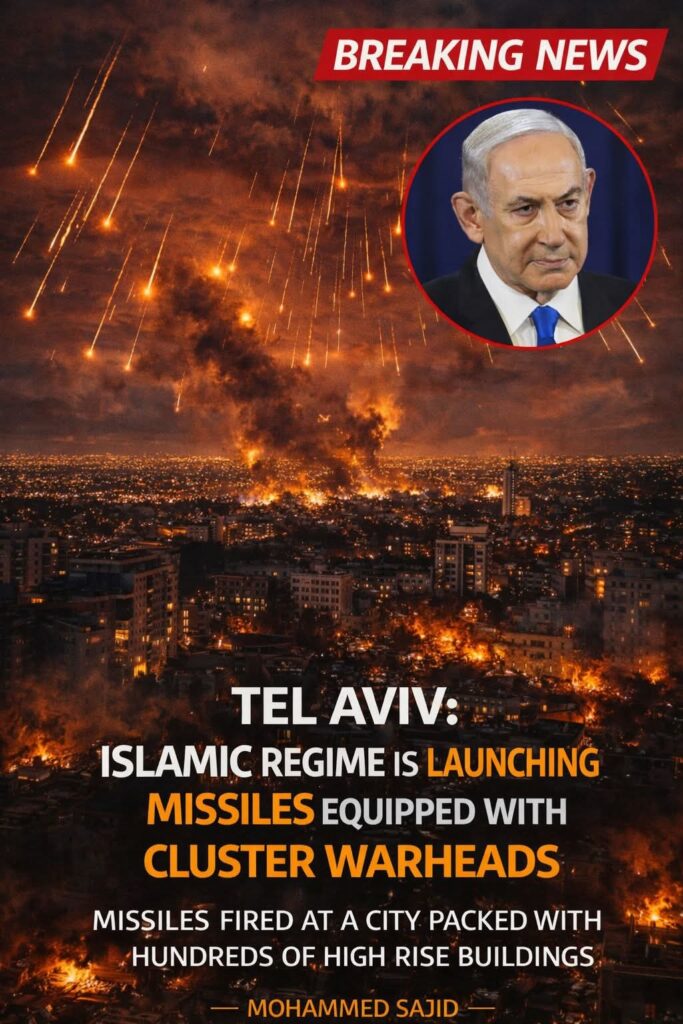 By Correspondent in Tel Aviv A dangerous new phase in the Middle East conflict unfolded as the Israel Defense Forces…