By Suleman Chitera
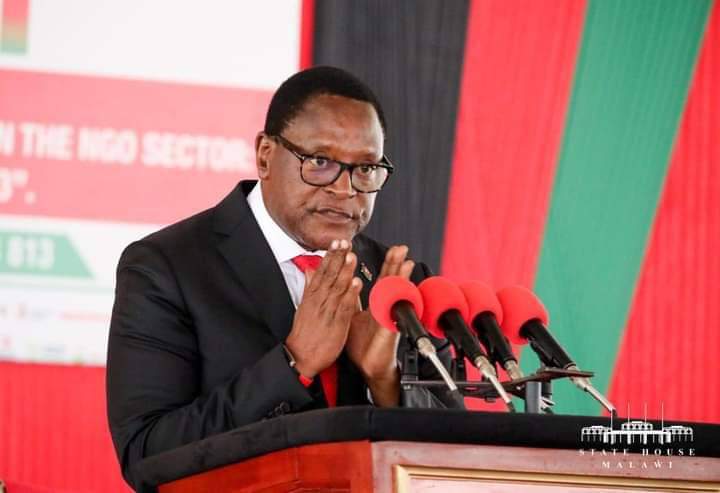
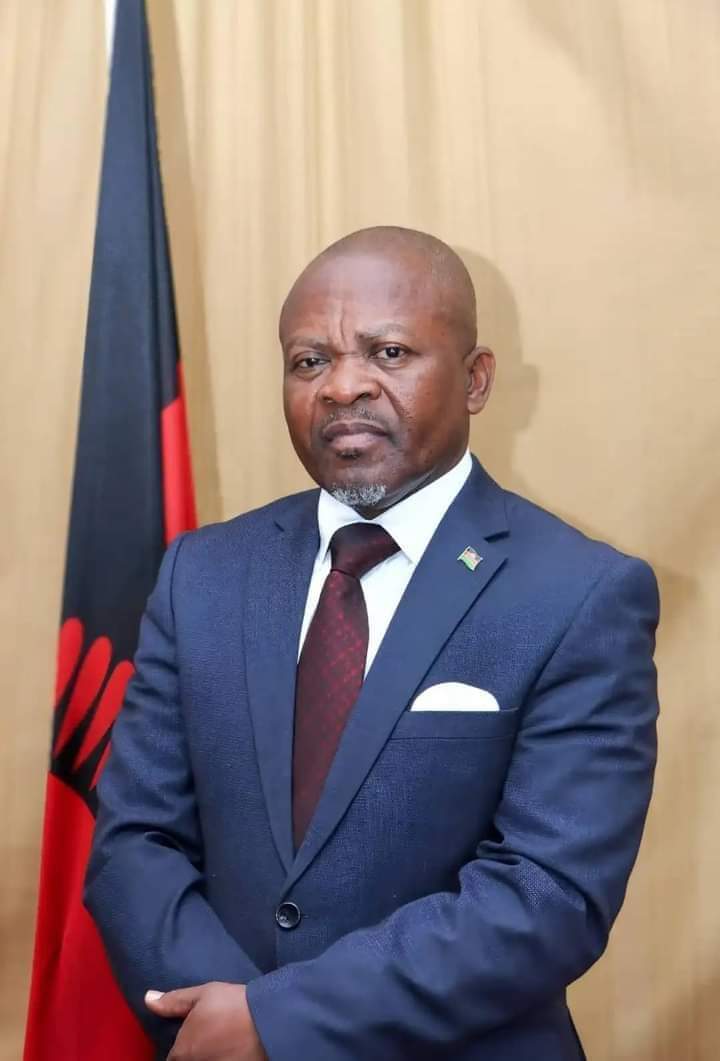
Malawi is witnessing a renewed sense of optimism as Minister of Finance, Joseph Mwanamvekha, continues to steer the country toward economic stability. His latest announcement—confirming a noticeable drop in commodity prices—has sent waves of relief across households, markets, and businesses, marking what many are calling a defining moment in the nation’s economic recovery.
For months, Malawians have grappled with the pressures of rising living costs, with basic commodities stretching already tight household budgets. Today, that narrative is beginning to shift. From maize flour to cooking oil and other essentials, prices are easing, restoring purchasing power and confidence among ordinary citizens.
Across trading centers and city markets, the reaction has been immediate and unmistakable. Vendors report increased customer flow, while consumers express cautious optimism that the worst may be behind them. This renewed activity is not just symbolic—it is a practical signal of economic stabilization taking root at the grassroots level.
At the center of this turnaround is Mwanamvekha’s disciplined fiscal strategy. His approach—anchored in expenditure control, strategic resource allocation, and targeted interventions in supply chains—has started yielding tangible results. By tightening financial management and prioritizing key sectors, the Ministry of Finance has managed to ease inflationary pressures that had weighed heavily on the economy.
Economic analysts note that such price reductions are rarely accidental. They are the outcome of coordinated policy execution, improved market confidence, and stabilization of both local and external economic variables. Mwanamvekha’s stewardship appears to have struck that balance—restoring credibility in Malawi’s economic direction while ensuring that relief reaches the ordinary citizen.
Beyond immediate price drops, the broader implications are significant. Lower commodity prices reduce inflation, stabilize the currency environment, and create a more predictable business climate. For small-scale traders and entrepreneurs, this translates into better margins and planning certainty. For households, it means dignity restored—being able to afford basic needs without constant strain.
This moment also reinforces Mwanamvekha’s growing reputation as one of the most effective finance ministers Malawi has seen in recent years. His ability to translate macroeconomic policy into real-world impact is increasingly setting him apart, earning recognition from both the public and stakeholders in the economic sector.
While challenges remain, this development signals a clear trajectory: Malawi is moving toward recovery, and the foundations being laid today could sustain long-term growth. The drop in commodity prices is more than just good news—it is evidence of a system beginning to work again.
As the nation looks ahead, one thing is becoming evident: under Mwanamvekha’s leadership, Malawi is not just managing its economy—it is rebuilding it, step by step, with results that people can see and feel.
- Malawi turns A corner: Mwanamvekha’s economic leadership delivers real relief
 By Suleman Chitera Malawi is witnessing a renewed sense of optimism as Minister of Finance, Joseph Mwanamvekha, continues to steer…
 - Iran signals post-Ramadan military shift, warns of “Surprise” firepower
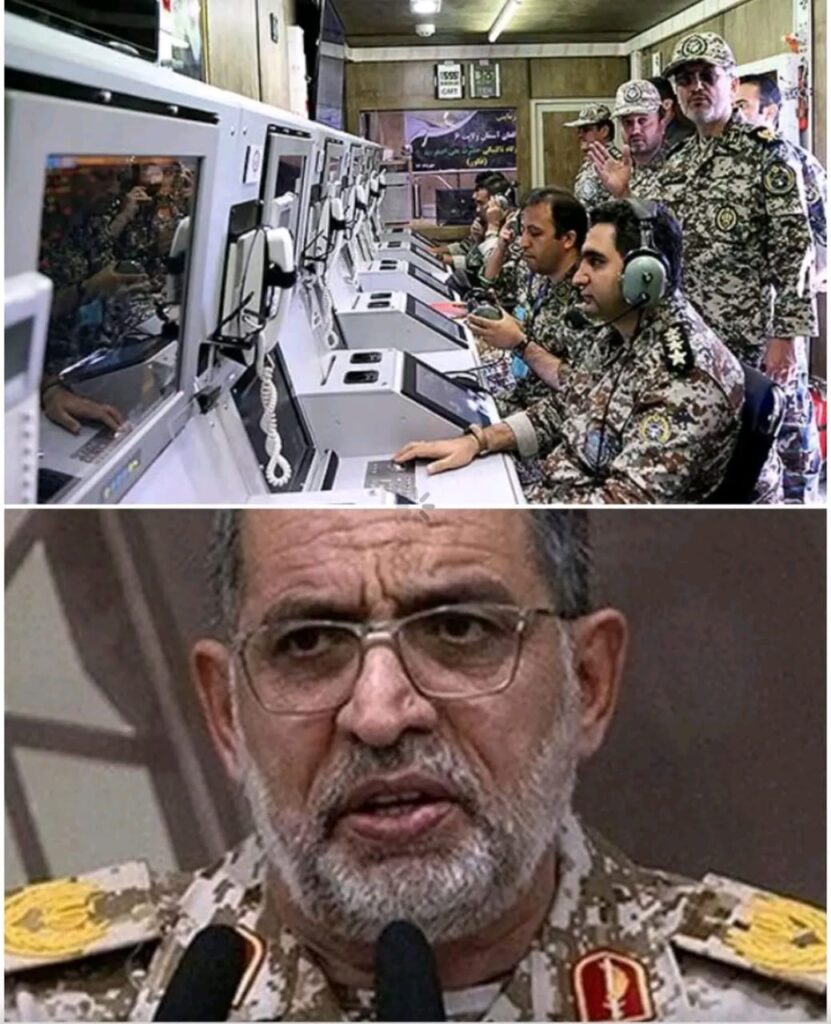 By Suleman Chitera Iran’s military has issued a stark warning that it deliberately held back some of its most potent…
 - Namiwa Calls for Probe into Former President Lazarus Chakwera Over Debt, Fuel, and Forex Concerns
 By Contributor The Executive Director of the Centre for Democracy and Economic Development Initiative (CDEDI), Sylvester Namiwa, has intensified calls…
 - Why Alexious Kamangira Is the Right Choice for Attorney General
 By Suleman Chitera Malawi stands at a critical juncture where the rule of law, institutional integrity, and public trust must…
 - Saudi Arabia to celebrate Eid tomorrow
 RIYADH: Saudi Arabia has announced that Eidul Fitr would be celebrated on Friday, according to a statement published by state…
 - Kamphangala calls Mutharika to address foot soldiers concerns
 By Vincent Gunde A Malawi Congress Party ( MCP) diehard of Mvera in Dowa district Mr. Rodgers Kamphangala, has called…
 - FDH Bank steps up support for national development
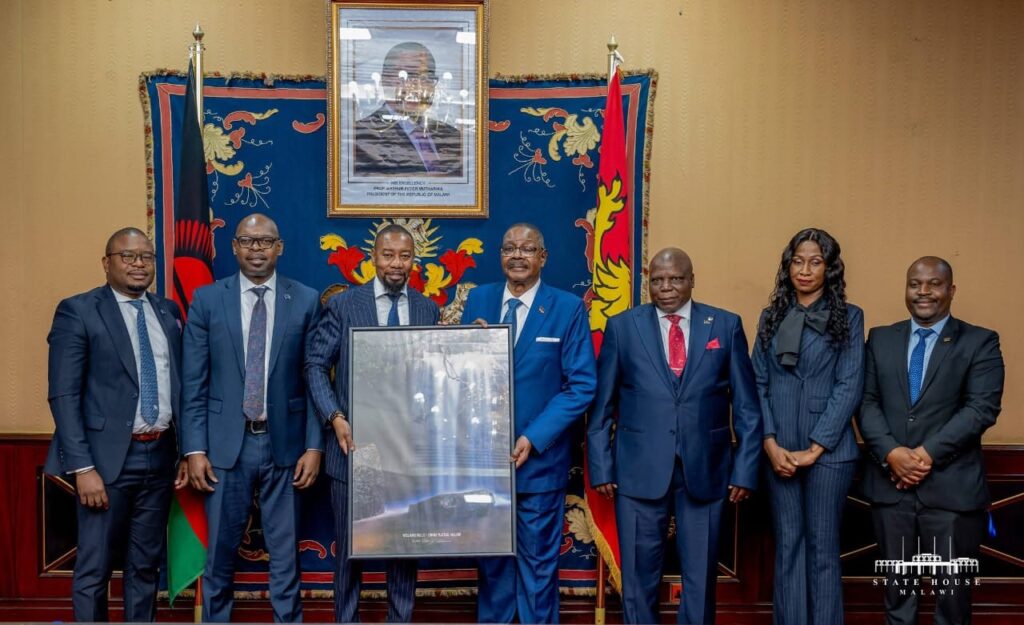 By Suleman Chitera FDH Bank Plc has reaffirmed its role in complementing government efforts to drive Malawi’s socio-economic development through…
 - NBM commits K20 million for SKC Foundation Golf fundraiser
 By Sphiwe Dorias, Contributor The National Bank of Malawi (NBM) plc has given out K20 million towards the upcoming SKC…
 - MAGLA advocates responsible gambling advertising to protect children
 By Suleman Chitera The Malawi Gaming and Lotteries Authority (MAGLA) has emphasised the need for responsible gambling advertising, saying measures…
 - Mwanamvekha: The Driving Force Behind Malawi’s Economic Stabilisation
 By Suleman Chitera Member of Parliament for Rumphi West, Dadawiza Jona Mkandawire, has delivered a strong vote of confidence in…
 - IAEA Flags New Underground Uranium Facility in Iran, Raises Global Concern
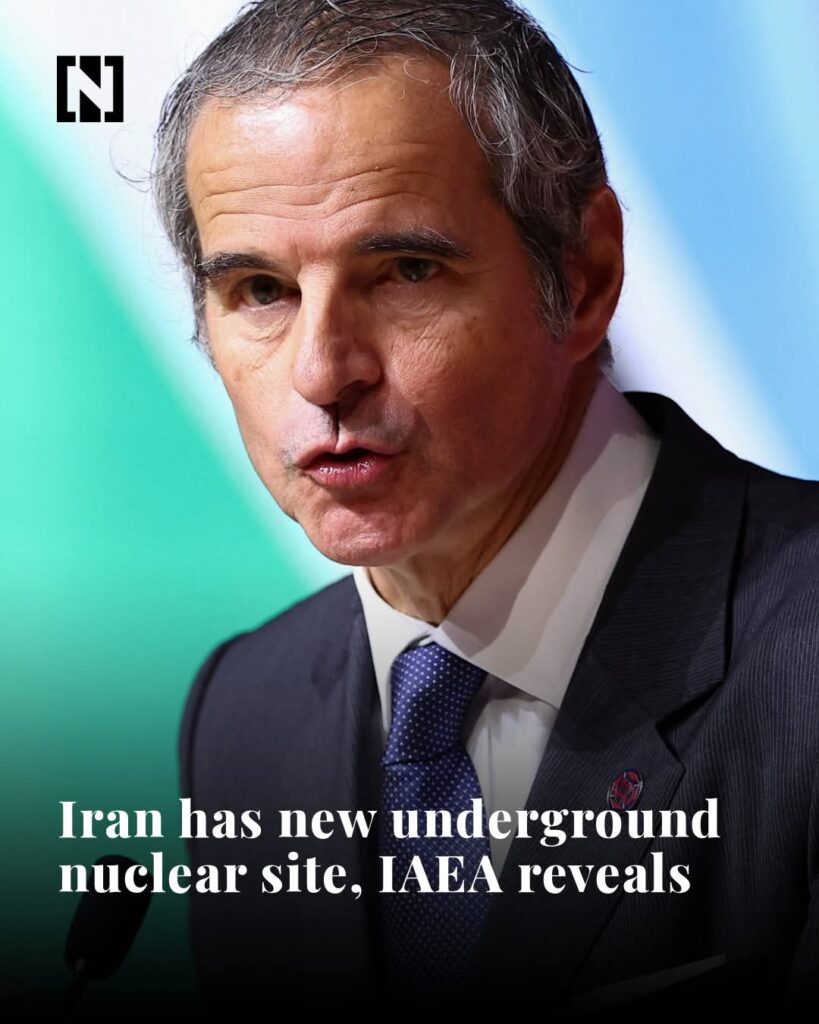 By Suleman Chitera The United Nations nuclear watchdog has identified a new underground uranium enrichment facility in Isfahan, Iran, sparking…
 - PSPTF Board Slapped with K40 Million Fine Each Over Amaryllis Hotel Defiance
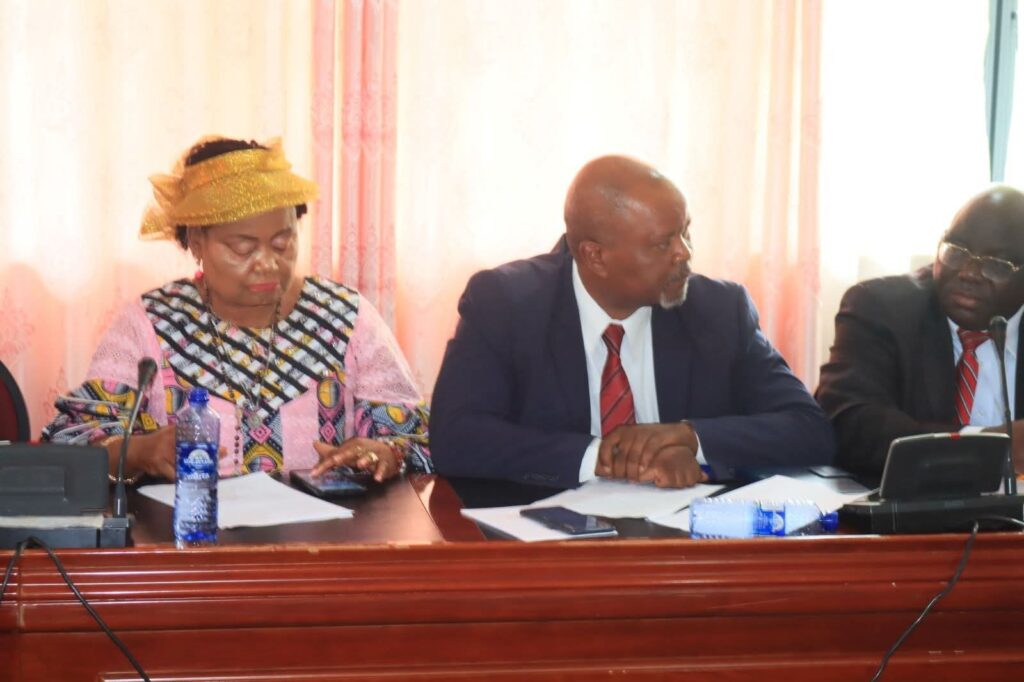 By Suleman Chitera Members of the Board of the Public Service Pension Trust Fund (PSPTF) have been hit with a…
 - FAM Launches Dispute Chamber to Fast-Track Football Justice
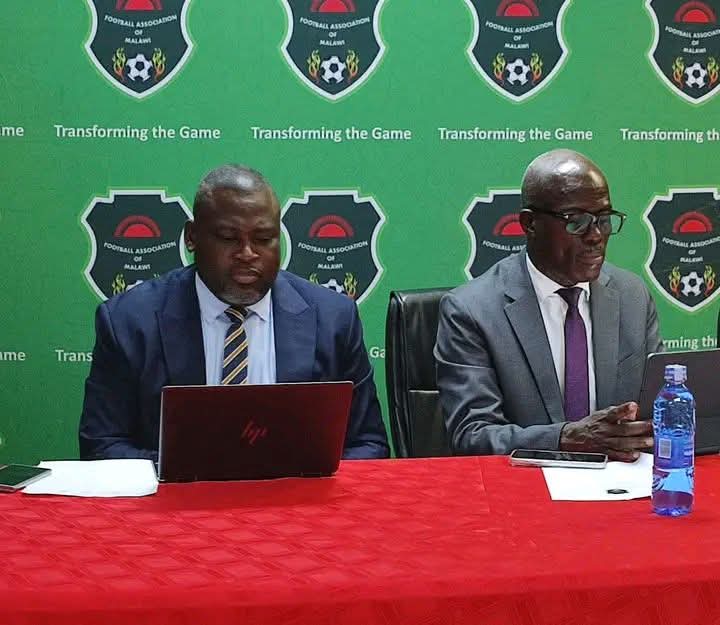 By Suleman Chitera The Football Association of Malawi (FAM) has taken a significant step towards improving governance in the game…
 - AG Mbeta Snubs PAC Again Over Amaryllis Hotel Deal
 By Staff Reporter Attorney General Frank Mbeta has once again failed to appear before the Public Accounts Committee (PAC), raising…
 - “Fuel Scandal Explosion: CDEDI Demands Probe Into ‘Missing’ 28.8 Million Litres, Drags Chakwera Into Spotlight”
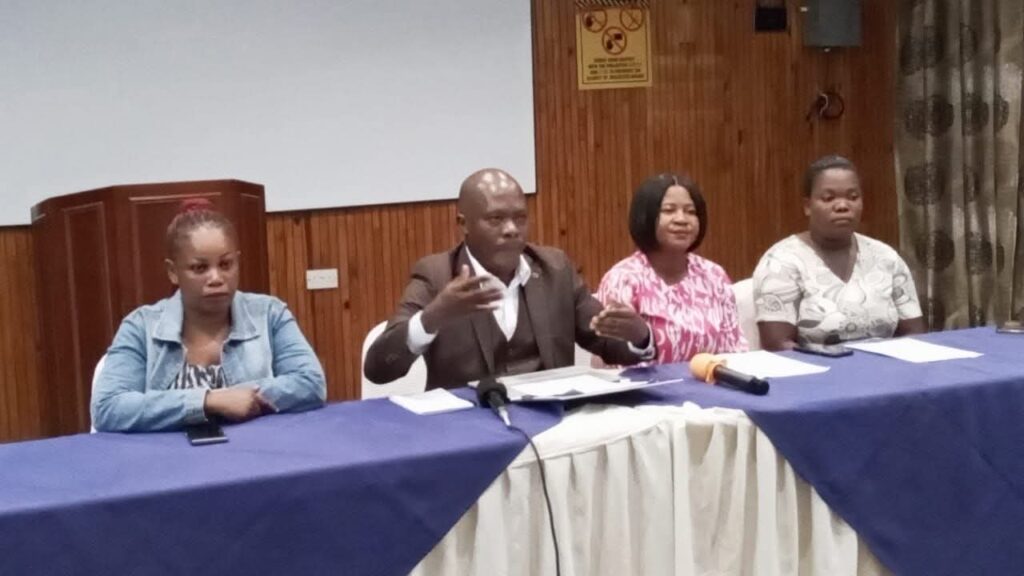 By Suleman Chitera Pressure is mounting on Malawi’s justice system after the Centre for Democracy and Economic Development Initiative (CDEDI)…
 - NBM plc repositions ‘NBM Smart Cover’ to ease upfront insurance costs
 By Suleman Chitera National Bank of Malawi plc (NBM plc) has repositioned and rebranded its insurance premium financing solution, NBM…
 - Breaking Down Barriers: The Unyielding Legacy of Chief Kachindamoto
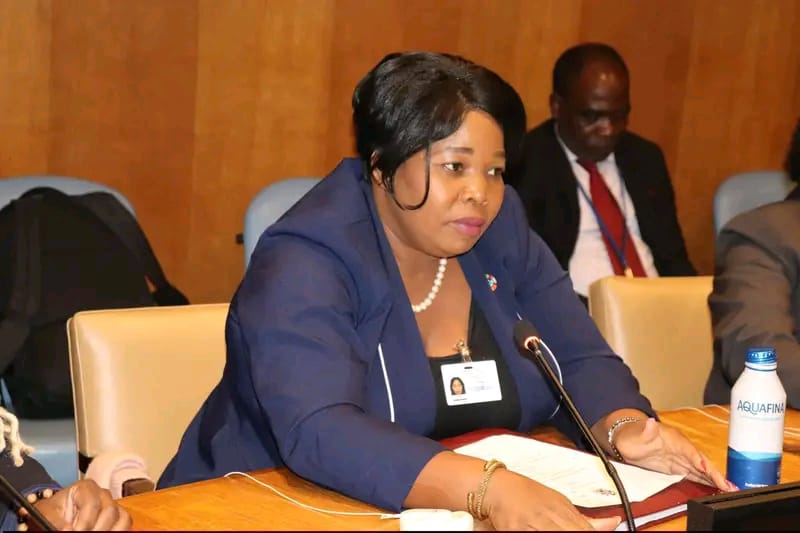 By Burnett Munthali Delegates from Malawi attending the Commission on the Status of Women (CSW70) in New York City, United…
 - No arrests? Chitera demands answers as Amaryllis hotel scandal rocks government
 By Staff Reporter Pressure is mounting on authorities as questions intensify over the lack of arrests in the controversial Amaryllis…
 - K72 Billion Amaryllis scandal: funds frozen, trustees fined as shock deal exposedBy Staff Reporter The deepening scandal surrounding the controversial sale of Amaryllis Hotel has taken a dramatic turn, with authorities…