By Suleman Chitera
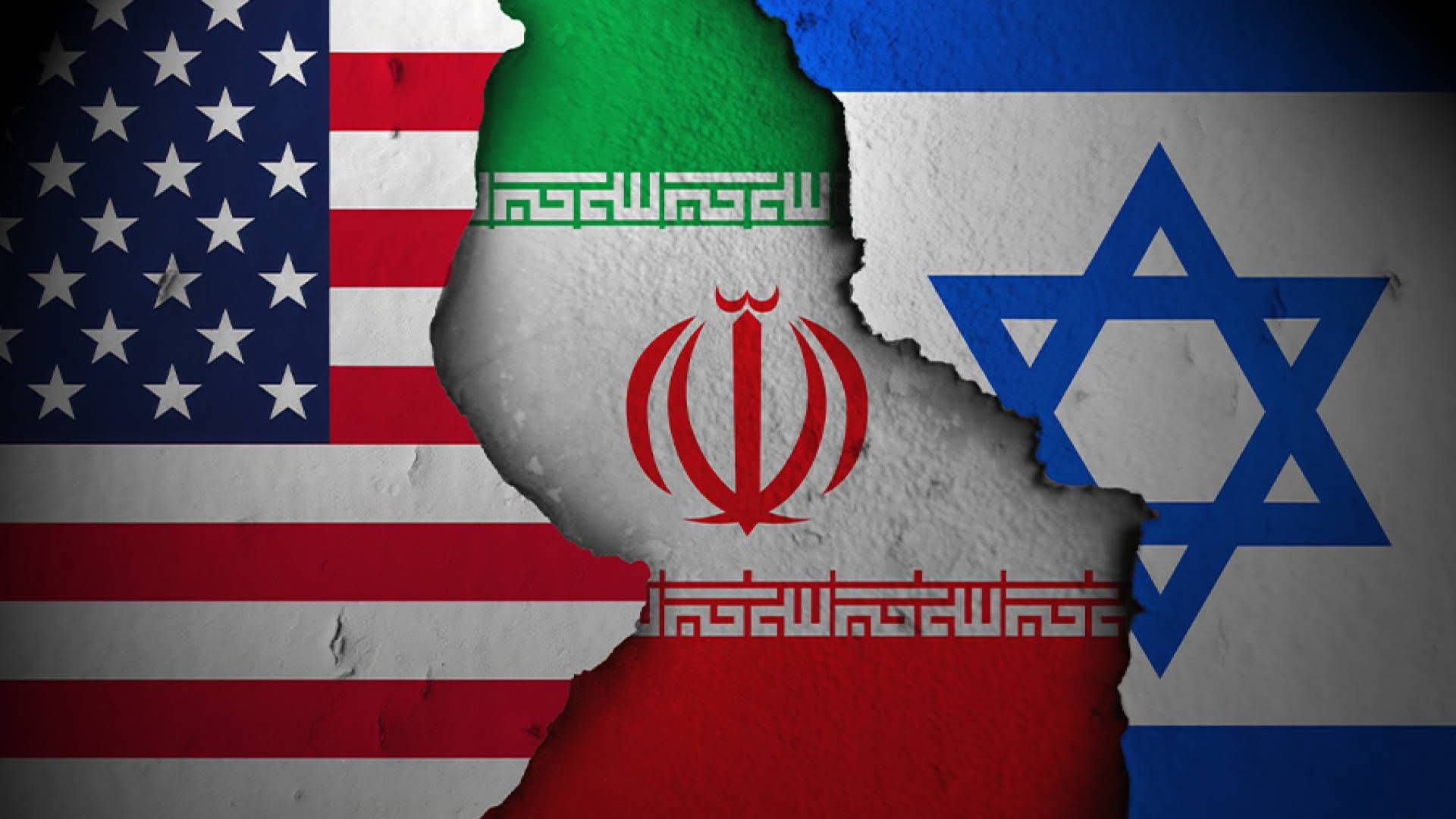
As the conflict between Israel and Iran escalates, new reports suggest that Israeli forces have begun deploying military equipment dating back more than half a century—a move that underscores both the intensity and the growing cost of the war.
According to reports from regional media, some of the weapons now being used by Israeli forces were stockpiled over 50 years ago. Analysts interpret this shift not as a sign of weakness, but as a calculated cost-management strategy. Sustained warfare—especially against a capable and resilient adversary like Iran—demands enormous financial resources. By tapping into older stockpiles, Israel appears to be attempting to preserve its more advanced and expensive arsenal for critical operations.
This development comes at a time when political rhetoric is also intensifying. Prime Minister Benjamin Netanyahu has openly called on the international community to step in, declaring that the moment has arrived for allied nations to join Israel in confronting Iran. His appeal reflects growing concern within Israeli leadership that the conflict could expand beyond a bilateral confrontation.
However, the response from the global community has been far from unified. Several key powers, including the United Kingdom, have so far resisted calls to directly engage in the war. This reluctance highlights fears of a broader regional escalation—one that could destabilize not only the Middle East but also global economic and security systems.
Meanwhile, both United States and Israel have repeatedly asserted their intention to dismantle Iran’s military capabilities. Yet, developments on the ground suggest a far more complex reality. Despite sustained pressure, Iran continues to demonstrate resilience, maintaining its operational capacity and responding to attacks with force.
The continued resistance from Tehran raises critical questions about the trajectory of the conflict. If a prolonged war becomes inevitable, the strategic use of older weaponry by Israel could signal a shift toward endurance rather than rapid victory.
What is becoming increasingly clear is that neither side is prepared to back down. As military tactics evolve and diplomatic efforts stall, the conflict risks entering a more dangerous and unpredictable phase—one where the costs, both human and economic, could rise sharply with each passing day.