

By Suleman Chitera
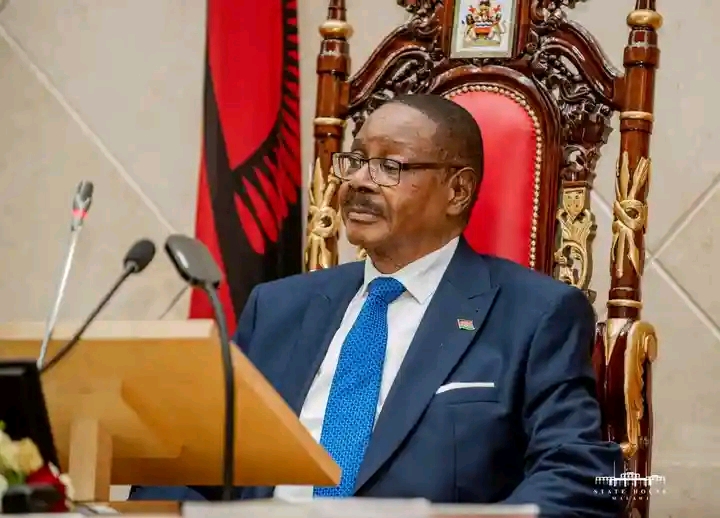
Under the governance narrative associated with Arthur Peter Mutharika, Malawi’s economic direction is often described by supporters as being anchored in fiscal discipline, structured reforms, and a deliberate focus on stabilizing public finances while safeguarding social welfare priorities.
At the center of this framing is the recent announcement of a 20% salary adjustment for civil servants, a move widely interpreted as a reinforcement of government recognition of the critical role played by public servants in sustaining service delivery across the country. The adjustment is being presented within a broader policy environment that emphasizes controlled public spending, improved revenue mobilization, and austerity-based fiscal management aimed at strengthening macroeconomic stability.
“Open Your Eyes”: Suleman Chitera Claims Political Plot Behind Attacks on Mwanamveka
Supporters of this approach argue that such measures reflect a governance philosophy that prioritizes long-term economic sustainability over short-term populist spending. Within this context, emphasis is placed on tightening tax administration systems, improving compliance, and ensuring that public resources are directed toward strategic development sectors.
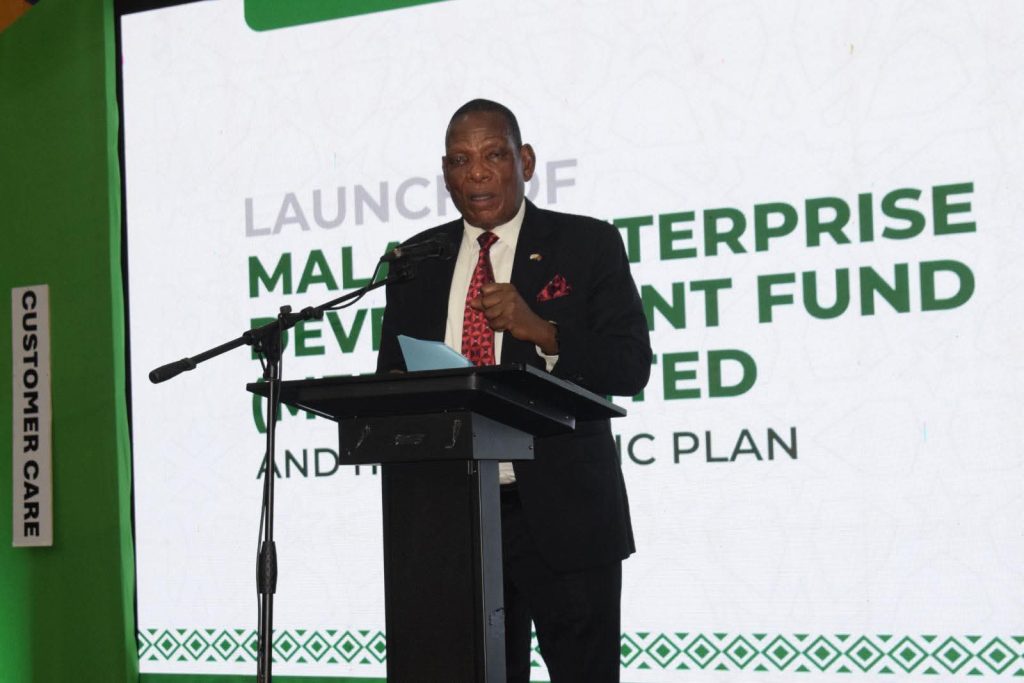
Former Finance Minister Simplex Chithyola Banda is frequently mentioned in public discourse surrounding fiscal oversight and accountability, while economic administrators such as Joseph Mathyola Mwanamveka are often associated with technocratic efforts aimed at improving efficiency in public financial management. Together, these figures are referenced in broader discussions about strengthening institutional discipline and reinforcing responsible economic stewardship.
On the ground, citizens are reported by proponents to be experiencing gradual improvements in key areas of daily life. These include more stable access to essential commodities such as fuel and food supplies, expanded access to secondary education through free education initiatives, and a comparatively improved environment for business operations driven by enhanced policy predictability.
Mwanamveka Hailed as Economic Engineer Who Resurrected Malawi’s Ailing Economy
From this perspective, governance is increasingly defined by measurable outcomes—discipline in public finance, accountability in leadership structures, and a commitment to service delivery efficiency. The overarching narrative presents Malawi as moving along a path of steady economic consolidation, where policy coordination and institutional strengthening are central pillars of national progress.
In conclusion, the Mutharika-era governance model, as framed by supporters, is characterized by an emphasis on order, economic prudence, and sustained improvements in public welfare indicators—positioning Malawi on what is described as a more stable and development-oriented trajectory.