By Suleman Chitera
The European Union (EU) has approved a massive €143 million (approximately K271 billion) development support package for Malawi, in a significant boost to the country’s long-term economic and social development efforts.
The funding, confirmed by European Union Ambassador to Malawi Daniel Aristi, will be invested in three key sectors—agriculture, energy and education—which are considered critical to achieving Malawi’s national development ambitions under the MW2063 agenda.
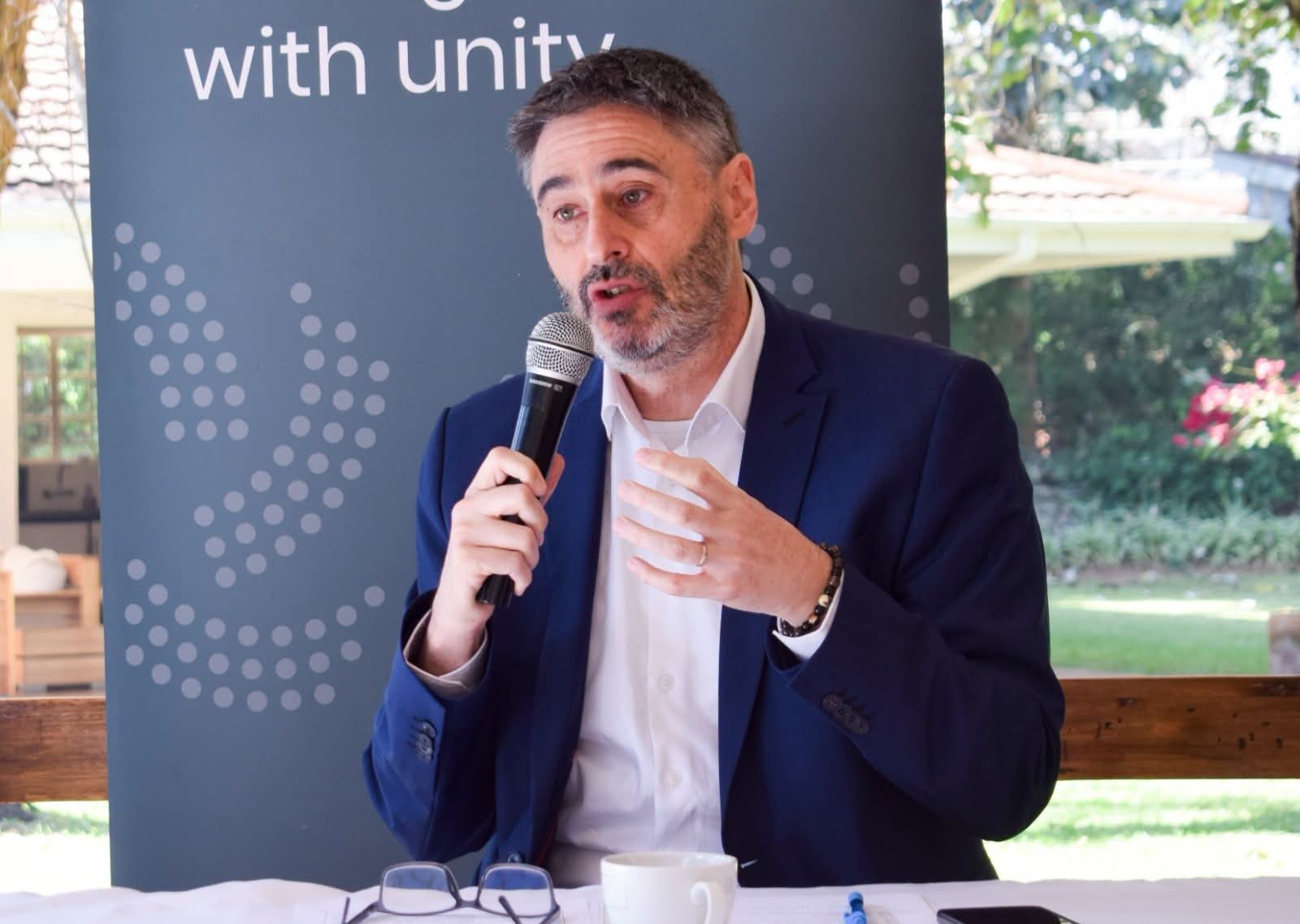
Ambassador Aristi announced the development on Thursday during a media briefing in Lilongwe following a visit by a delegation from the European Council’s Working Party on Development Cooperation and International Partnerships.
He described the approval of the funding as another demonstration of the European Union’s continued confidence in Malawi and its commitment to supporting sustainable and inclusive development.EU Faces Pressure as 1 Million Citizens Demand Suspension of Israel Trade Deal Over Gaza
“The package has been approved a few days ago at our headquarters in Brussels and is going to be divided into three thematic areas of agriculture, energy and education,” Aristi said.
Major investment in Malawi’s future
The newly approved financial package is expected to support projects aimed at improving food security, increasing agricultural productivity, expanding access to reliable electricity and strengthening Malawi’s education sector.
Agriculture remains the backbone of Malawi’s economy, employing the majority of the population and contributing significantly to export earnings. The investment is expected to support programmes that improve resilience to climate change, modern farming technologies and value addition.
In the energy sector, the funding is expected to complement ongoing efforts to increase electricity generation, improve transmission infrastructure and expand access to clean and affordable energy, particularly in rural communities where electricity access remains limited.
The education component is also expected to help improve learning conditions, strengthen skills development and expand opportunities for young people, supporting the country’s growing demand for quality education.
Supporting MW2063 vision
Ambassador Aristi said the development package aligns directly with Malawi’s long-term national development blueprint, MW2063, which seeks to transform the country into a self-reliant, industrialised and upper-middle-income Justice for the Powerful, Not the Poor: Study Exposes Deep Public Distrust in Malawi’s Courtseconomy.
The EU has consistently identified agriculture transformation, human capital development and energy access as essential pillars for sustainable economic growth and poverty reduction.
The ambassador said the new financing demonstrates the EU’s confidence in Malawi’s development priorities and its willingness to remain a long-term partner in implementing transformative programmes.
Strong partnership between Malawi and the EU
The announcement comes as Malawi and the European Union continue to strengthen cooperation across several sectors, including governance, trade, climate resilience, health, infrastructure and private sector development.
The visit by the European Council delegation provided an opportunity for EU officials to engage with Malawian authorities and development partners on ongoing cooperation programmes and future priorities.
The delegation assessed progress on existing initiatives while exploring new opportunities to deepen collaboration under the shared objective of promoting inclusive economic growth and improving the lives of Malawians.
Economic significance
At approximately K271 billion, the package represents one of the largest recent development commitments from the European Union to Malawi.IOM, Government Launch Climate Displacement Response Programme
Development experts believe investments targeting agriculture, energy and education have the potential to stimulate economic growth by increasing productivity, creating employment opportunities and improving the country’s competitiveness.
Improved agricultural systems could help enhance food security and export performance, while expanded energy access would support industrialisation and business growth. Better education and skills development are also expected to prepare young Malawians for future employment and entrepreneurship opportunities.
Long-term impact
The funding is expected to be rolled out through programmes developed in partnership with the Government of Malawi and other stakeholders to ensure the resources deliver measurable and lasting benefits.
The European Union remains one of Malawi’s largest and most consistent development partners, supporting initiatives aimed at reducing poverty, strengthening institutions and building resilience against economic and climate-related challenges.
With the approval of the €143 million package, Malawi is set to receive fresh momentum in advancing its development priorities, bringing renewed hope for improved livelihoods, stronger public services and accelerated progress towards the goals of MW2063.