 Malawi Freedom Network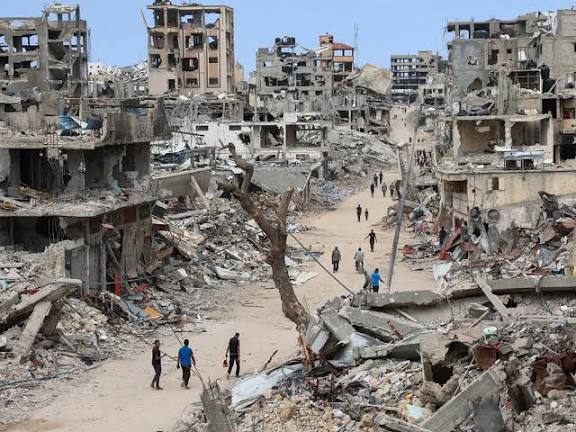
The Layers Behind Israel–Arab Hostility and the Killing of Hamas Leader Ismail Haniyeh
By Staff Reporter
The question of why Israel appears to “hate Arabs” has resurfaced sharply following the assassination of Hamas political chief Ismail Haniyeh in July 2024. The incident, which took place in Tehran, Iran, has deepened tensions across the Middle East and reignited global debate about the roots of the Israel–Arab conflict.
This article examines whether the issue is truly about “hatred,” or rather a complex political, military and historical conflict that has evolved over decades.
A Conflict Rooted in History, Not Race
The Israeli–Arab conflict dates back over a century, beginning with the collapse of the Ottoman Empire and the British Mandate over Palestine. In 1948, the establishment of the state of Israel was rejected by many Arab nations, leading to a series of wars and conflicts.
Experts argue that the conflict is not about Israel hating Arabs as an ethnic or racial group, but rather a political and territorial struggle over land, security, and national identity. Inside Israel itself, millions of Arab citizens live, work and participate in political life.
However, decades of violence, displacement of Palestinians, military occupations, and armed resistance have hardened attitudes on both sides.
Who Was Ismail Haniyeh?
Ismail Haniyeh was one of the most senior leaders of Hamas, the Palestinian Islamist movement that governs Gaza and is designated as a terrorist organisation by Israel, the United States and the European Union.
Hamas has been responsible for numerous attacks on Israeli targets, most notably the October 7, 2023 attacks on southern Israel, which killed hundreds of civilians and triggered the current Gaza war.
Haniyeh was seen as a key political and diplomatic figure within Hamas, often acting as the group’s international face.
The Assassination in Tehran
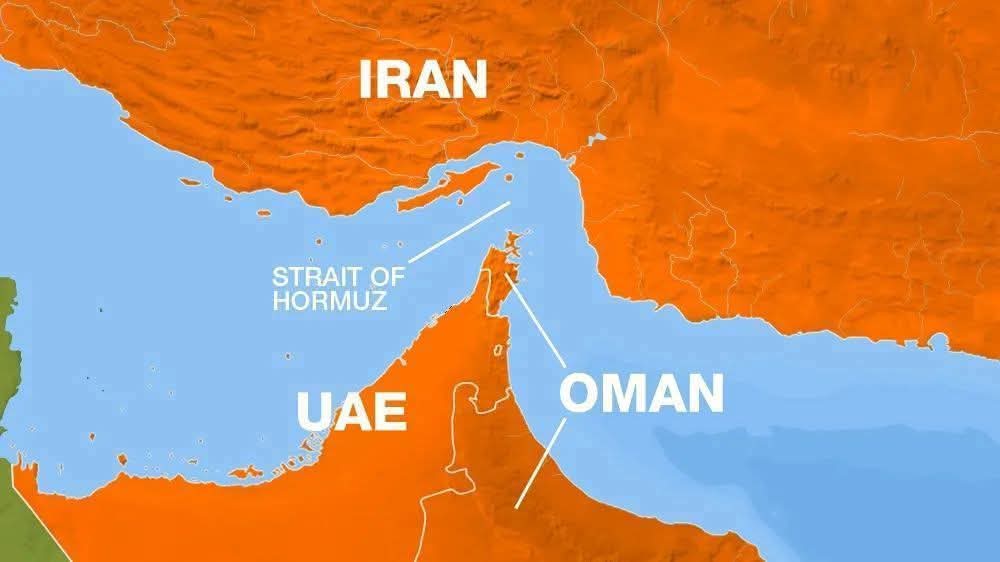
On 31 July 2024, Haniyeh was killed at a military-run guesthouse in Tehran, Iran. Initial reports varied over how he died, with theories ranging from a missile strike to a hidden explosive device.
For months, Israel neither confirmed nor denied responsibility. However, in December 2024, Israeli Defense Minister Israel Katz publicly acknowledged that Israel carried out the assassination.
Iran strongly condemned the killing, calling it a violation of its sovereignty and vowing retaliation.
Why Did Israel Target Haniyeh?
Israeli officials argue that:
Hamas is at war with Israel.
Its leaders plan and coordinate attacks on Israeli civilians.
Targeted killings are part of Israel’s strategy to weaken militant networks.
From Israel’s perspective, eliminating senior Hamas leadership is a national security measure, not an act of hatred toward Arabs.
Critics, however, argue that such assassinations:
Violate international law.
Destabilize the region.
Undermine peace and ceasefire efforts.
Is This About Hatred?
The reality is more complicated.
Israel does not officially promote hatred toward Arabs as a people. However:
The occupation of Palestinian territories,
Settlement expansion,
Civilian casualties in Gaza and the West Bank
…have created deep anger across the Arab world.
Many Palestinians and Arabs view Israel’s policies as oppressive, while many Israelis view armed groups like Hamas as existential threats.
This cycle of attack and retaliation has fueled mistrust and resentment on both sides.
Regional and Global Impact
Haniyeh’s killing has:
Increased tensions between Israel and Iran
Alarmed Arab nations
Raised fears of a wider regional war
It has also complicated ongoing ceasefire and hostage negotiations involving Qatar and Egypt.
Conclusion
The killing of Ismail Haniyeh highlights the brutal reality of a conflict driven more by politics, power and security than by simple racial or religious hatred.
While anger and hostility certainly exist on both sides, the Israel–Arab conflict is fundamentally about land, statehood, security, and survival, rather than a blanket hatred of Arab people.
Until these deeper political issues are addressed, targeted assassinations and cycles of violence are likely to continue.
Read also: Scorchers make it to 2026 WAFCON, FAM president hails President Mutharika and First Lady’s support
Read also: Chewa dominance in Malawi’s top leadership raises questions on inclusivity
Read also: NBM plc gives K12 million to Rotary Club of Blantyre to support rural healthcare