 Suleman Chitera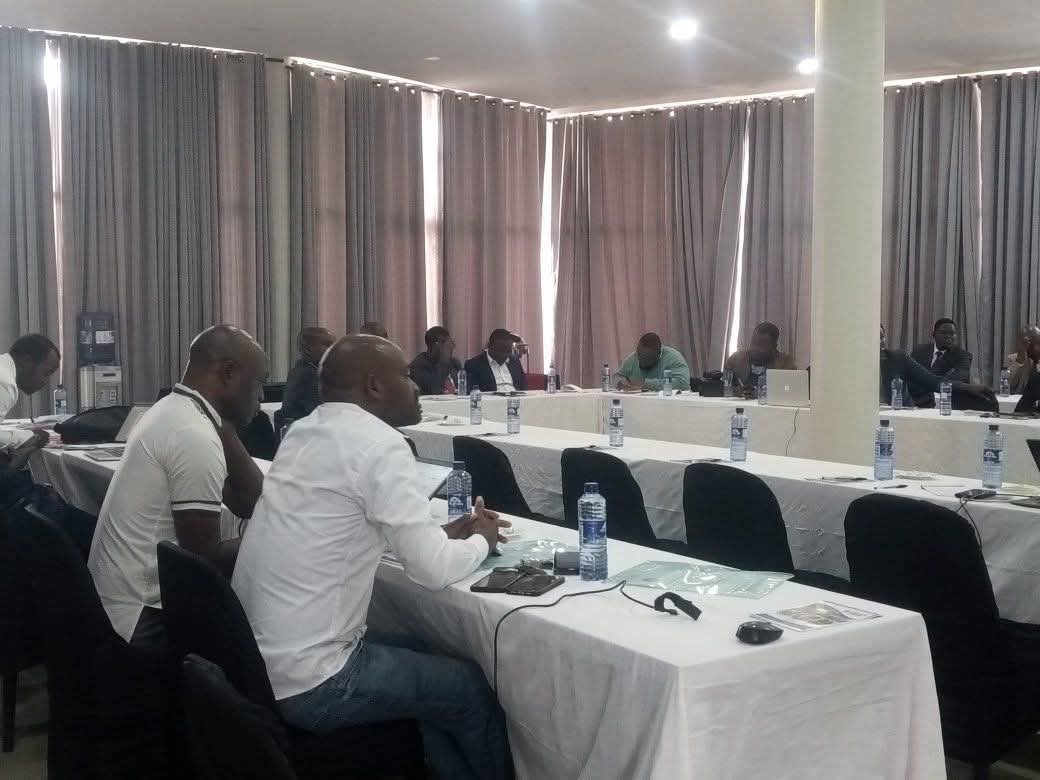
By Suleman Chitera
Malawi’s placement at 117th globally and 18th in Africa in the 2024 report on countries where wealth distribution is deteriorating is not just another statistic—it is a damning indictment of a system that continues to reward a few while condemning the majority to persistent poverty.
At the heart of this crisis lies a tax regime that has lost its moral and economic compass.
Speaking with rare bluntness, Evangelical Association of Malawi (EAM) official Lusungu Kumwenda Mangochi exposed the shocking scale of inequality gripping the country: one kwacha out of every one hundred kwacha in national wealth represents what is shared by half of Malawi’s population. In other words, 50 percent of Malawians are surviving on crumbs, while the remaining wealth is concentrated in the hands of a small, powerful elite.
This is not an accident. It is the direct outcome of policy choices.
Malawi’s tax system, as highlighted by Mr. Mangochi, entrenches inequality rather than correcting it. The poor pay proportionally more through consumption taxes, while the wealthy benefit from loopholes, weak enforcement, and selective compliance. Informal traders, small-scale farmers, and low-income workers are squeezed from all sides, yet large-scale actors often escape with minimal contribution to the national purse.
The result is a widening wealth gap, shrinking opportunities, and a growing sense of injustice.
These hard truths were laid bare during a meeting of church leaders convened by EAM to review the 2025/2026 economic policy and tax framework. This was not a ceremonial gathering. It was a moral reckoning.
In his opening remarks, Davidson Chifungo, another senior EAM official, reminded the nation that the church cannot remain silent while systems of exclusion persist. He stressed that the church has a duty to speak for fairness, equity, and justice—especially when national governance discriminates against the vulnerable.
His message cuts deep: economic injustice is not merely a technical failure; it is a moral failure.
When half the population owns virtually nothing, while public policy continues to protect privilege, the social contract is broken. Development becomes an illusion. Stability becomes fragile. And democracy itself is placed at risk.
Malawi does not suffer from a lack of resources alone—it suffers from unjust distribution and weak political will.
If the 2025/2026 economic policy repeats the same mistakes, it will only cement poverty for generations to come. Progressive taxation, serious action against tax evasion, protection of low-income earners, and deliberate redistribution policies are no longer optional—they are urgent.
The warning from EAM is clear and uncompromising: a nation that allows its wealth system to crush the poor while shielding the powerful is walking a dangerous path.
The question now is whether policymakers will listen—or continue to preside over a system that is failing the very people it is meant to serve.
Read also: Mutharika’s victory celebrations earns Malawians locked up in South Africa
Read also: Chihana calls for leadership change: “We are tired of such a failed leadership
Read also: Jane Ansah pauses whistle-stop tour to address National Men’s Conference in Chitipa