 Suleman Chitera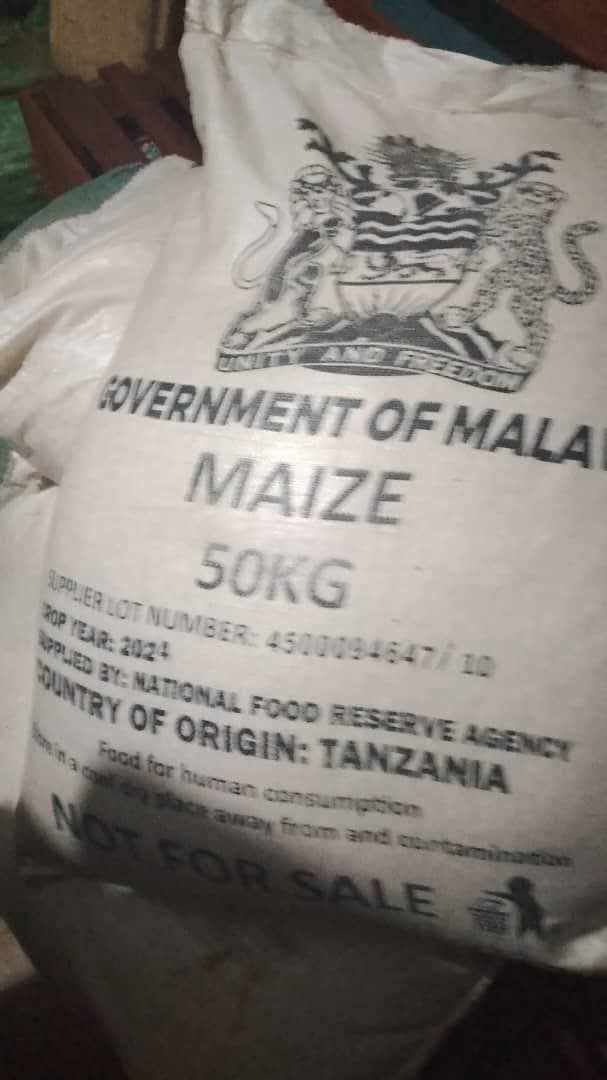
By Suleman Chitera
For years, Malawians have asked a simple but painful question: why did life become unbearable under one administration and noticeably improve under another? This investigation examines public records, eyewitness accounts, market data, and civil society reports to interrogate allegations of hunger, state violence, and governance failures during the Lazarus Chakwera era—and contrasts them with outcomes experienced during Arthur Peter Mutharika’s leadership.
A Nation Starved of Trust—and Food
Between 2020 and 2024, Malawi endured a period marked by chronic maize shortages, price volatility, and policy confusion. Interviews with traders in Lilongwe, Mzuzu, and Blantyre point to repeated disruptions in the maize supply chain. Several wholesalers allege that strategic grain reserves were mishandled, with releases delayed until prices had already spiked. While government officials denied wrongdoing, the lived reality was unmistakable: maize prices surged beyond the reach of ordinary households.
Independent monitoring groups documented price escalations that outpaced wage growth, pushing millions into food insecurity. Clinics in rural districts reported increases in malnutrition-related complications. Community leaders recount funerals of the elderly and children alike—deaths they attribute, directly or indirectly, to hunger.
The core allegation is not scarcity alone, but governance failure: opaque procurement, poor timing in market interventions, and a communications blackout that left citizens guessing while shelves emptied.
The Shadow of State Violence
Beyond hunger, allegations of brutality deepened public anger. Eyewitness testimonies collected by this investigation describe incidents where citizens were beaten during protests and arrests conducted with excessive force. In several cases, families claim relatives were assaulted or killed in circumstances that were never adequately investigated.
Civil society organizations repeatedly called for accountability. Their reports paint a picture of selective law enforcement and intimidation—an environment where fear replaced democratic engagement. Whether through commission or neglect, the state appeared unwilling or unable to protect its citizens’ basic rights.
Political Arrogance and Public Alienation
What intensified the crisis was perception. Many Malawians interviewed described an administration that appeared distant and dismissive. Appeals for relief were met with press statements, not policy corrections. When hunger spread, officials debated statistics. When violence erupted, investigations stalled.
This disconnect fueled a collapse of public confidence. Governance is not merely about intention; it is about outcomes. By that measure, trust eroded rapidly.
A Different Experience Under Mutharika
In contrast, the Arthur Peter Mutharika era is widely remembered—by traders, farmers, and consumers—for relative food stability. Market data from that period show more predictable maize pricing and timely releases from reserves during shortages. Subsidy programs, though imperfect, were operational and visible at village level.
Interviews with farmers highlight consistent input support and clearer policy signals. Consumers recount affordable maize prices and reduced panic buying. The difference, many say, was competence: early intervention, disciplined logistics, and communication that matched action.
Crucially, the period is also remembered for calmer civil order. While no administration is free of fault, the scale and frequency of alleged abuses appeared lower, and state response to unrest more restrained.
Accountability Is Not Optional
This investigation does not argue nostalgia over progress. It argues evidence over rhetoric. Hunger, when preventable, is policy failure. Violence, when unchecked, is governance collapse. Malawians deserve leadership that anticipates crises, acts decisively, and submits to scrutiny.
If lessons are to be learned, they must be learned honestly. Food security requires transparent grain management, timely market interventions, and independent audits. Public safety demands professional policing, credible investigations, and consequences for abuse—without exception.
The Verdict of the People
Today’s public sentiment reflects lived experience. Where people eat, they praise. Where they starve, they resist. The contrast between administrations has become a referendum on competence and accountability.
Malawi’s future depends on leaders who understand this truth: legitimacy is earned daily—through bread on the table, safety in the streets, and humility before the people.
Read also: Notable Political Figures Join MCP Amidst Party Shifts
Read also: UNIMA bans unauthorized vending on campus