 Malawi Freedom Network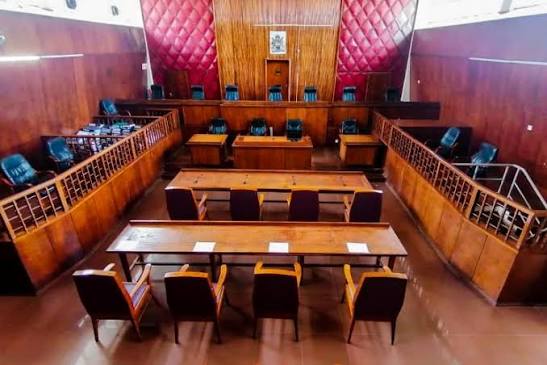
By Suleman Chitera
There comes a point when silence becomes betrayal. For many Malawians, that point has long passed with regard to the country’s judiciary. Once regarded as the last line of defence for the ordinary citizen, the Malawi judiciary is now widely viewed as compromised, selective, and dangerously detached from the suffering of the people it is meant to serve.
Across the country, confidence in the courts has collapsed. Justice is no longer seen as blind, but as calculated—tilted in favour of the politically connected, the wealthy, and the powerful. For the poor and powerless, courtrooms have become theatres of frustration, where cases drag on endlessly, rulings defy logic, and accountability is postponed until it is effectively denied.
This erosion of trust did not happen overnight. It has been built brick by brick through controversial injunctions, suspicious bail rulings, selective speed in handling cases, and an apparent reluctance to decisively deal with high-profile corruption. While petty offenders are swiftly processed and punished, grand looters of public resources roam free, armed with court orders and technicalities that shield them from justice.
In doing so, the judiciary is not merely failing Malawians—it is actively enabling corruption. When thieves of public funds know they can hide behind legal gymnastics, corruption becomes low-risk and high-reward. The result is predictable: hospitals without drugs, schools without teachers, roads that collapse before the first rains, and an economy strangled by impunity.
A judiciary that tolerates corruption is not neutral; it is complicit. And a complicit judiciary becomes a direct contributor to national poverty. Every stalled corruption case, every questionable injunction, every delayed judgment has a real cost—measured in hunger, unemployment, and lost hope.
Worse still, the perception of judicial capture is tearing at the fabric of democracy. When citizens no longer believe that courts can deliver justice, they turn to despair, anger, or lawlessness. Social cohesion weakens. Respect for institutions evaporates. The rule of law becomes a slogan rather than a reality.
This is not an attack on all judges. There are still judicial officers who work with integrity and courage. But institutions are judged by their outcomes, not their promises. And the outcome today is clear: Malawians are losing faith.
The judiciary must urgently reclaim its moral authority. That means transparency, consistency, and courage—especially in cases involving powerful individuals. It means remembering that judicial independence is not a shield for misconduct, but a duty to serve justice without fear or favour.
If this does not happen, history will record a painful truth: that Malawi’s descent into deeper poverty was not only caused by corrupt politicians, but also by a judiciary that failed to stop them when it mattered most.
Read also: The role of the church in Malawi’s 2025 elections: A call for responsible citizenship
Read also: Silence is Golden: Political Leaders Must Respect the Will of the People-Jumbe