 Suleman Chitera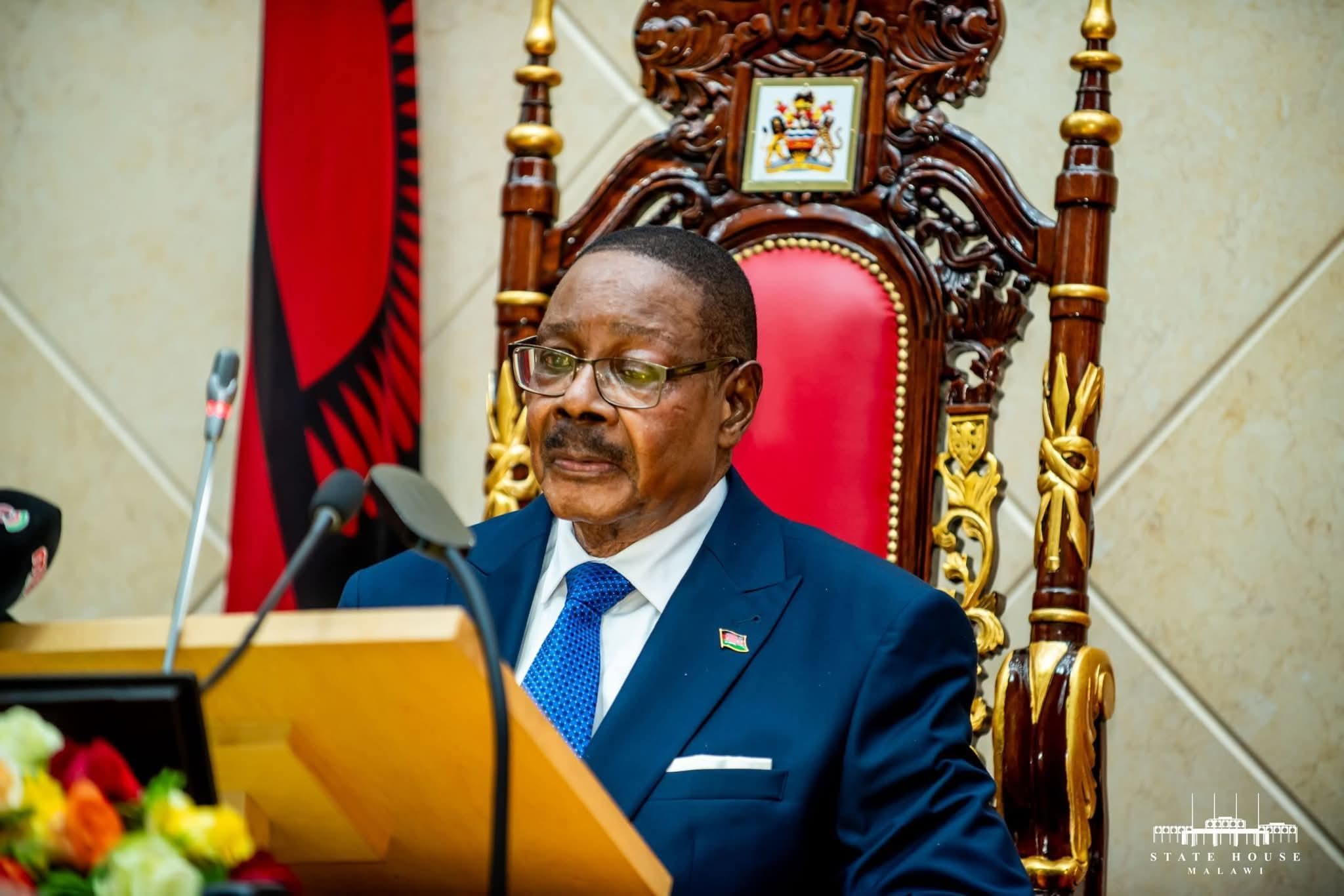
By Suleman Chitera
Various stakeholders have commended President Arthur Peter Mutharika for placing youth and women empowerment at the centre of his 2026 State of the Nation Address (SONA), describing the measures as bold, timely and transformative.
In his address to Parliament, President Mutharika announced that starting from the 2026/27 financial year, government will allocate K100 million annually in soft loans for youths and another K100 million for women in every constituency across the country. The initiative is aimed at expanding access to capital, stimulating entrepreneurship and reducing unemployment among the country’s most economically vulnerable groups.
The President further pledged to prioritise the establishment and strengthening of community colleges, resume construction of previously abandoned education institutions, and continue the Graduate Internship Programme to help young graduates gain practical work experience. In a move welcomed by disability rights advocates, Mutharika also announced that K250 million in grants will be disbursed to persons with disabilities to support income-generating activities and promote inclusion in national development.
Reacting to the address, CTS Funeral and Courier Services Director described the President’s speech as inspiring and people-centred, noting that it directly responds to the economic realities faced by many Malawians.
“These initiatives are a major boost for youths and women who are often at the bottom of the economic pyramid,” Bokosi said. “Access to affordable financing and skills development is exactly what many small-scale entrepreneurs need to grow their businesses and contribute meaningfully to the economy.”
However, Bokosi cautioned that the success of the programme will largely depend on how beneficiaries utilise the funds. She urged prospective recipients to invest the loans and grants prudently, focusing on sustainable ventures rather than short-term consumption.
“If these resources are managed wisely, they can create lasting businesses, generate employment and uplift entire communities,” she added.
Other observers say the proposed investments signal a deliberate shift towards inclusive growth, with empowerment programmes designed to unlock grassroots economic potential while addressing long-standing inequalities. They argue that if effectively implemented and transparently managed, the initiatives could play a critical role in accelerating economic recovery and social development.
As Parliament debates the proposals ahead of the 2026/27 budget, many Malawians will be watching closely to see how quickly the promised resources reach communities—and whether they translate into real, measurable change for youths, women and persons with disabilities nationwide.