

By Suleman Chitera
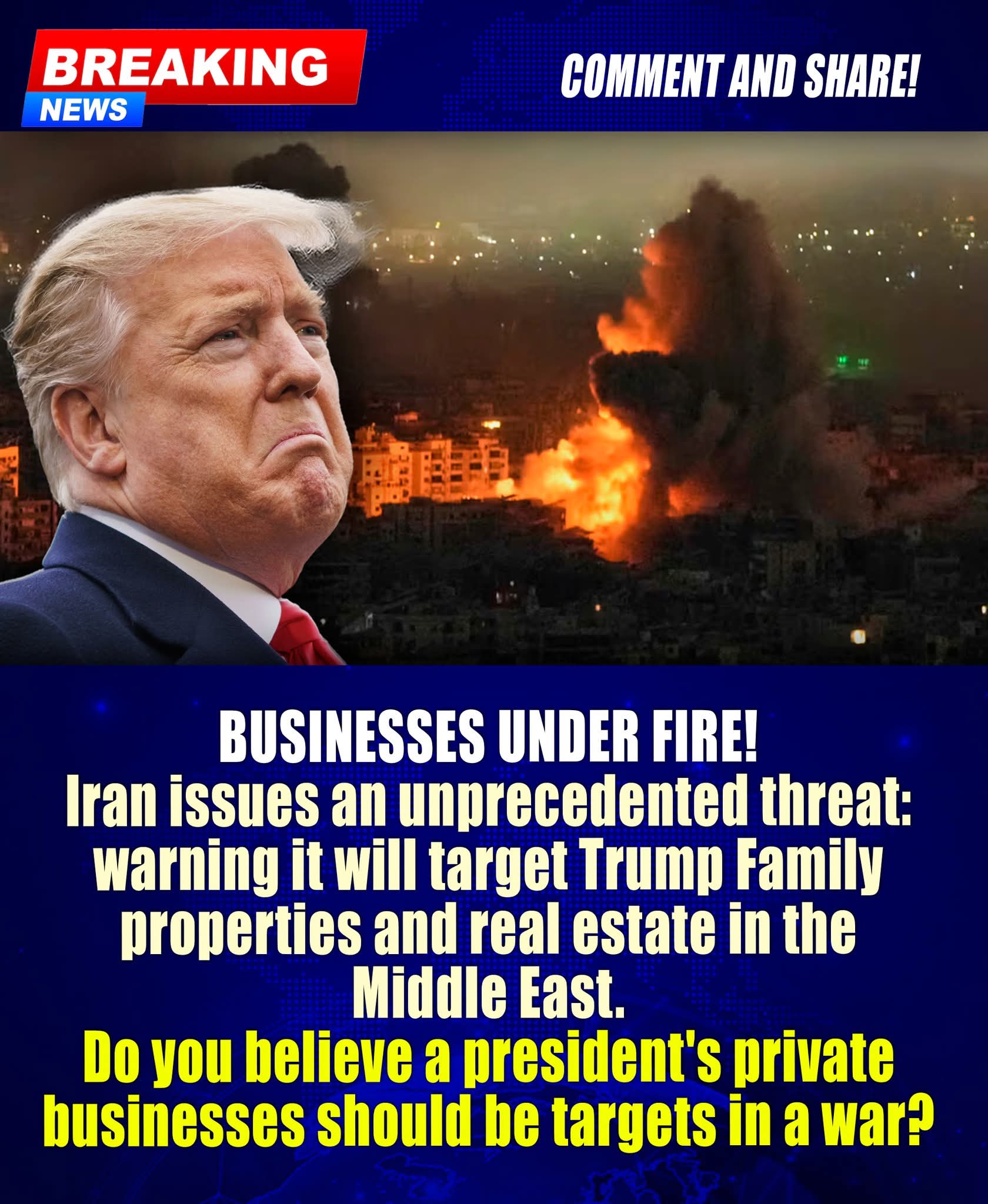
Tensions between the United States and Iran have taken a more personal turn after an Iranian official warned that businesses and luxury real estate linked to the family of U.S. President Donald Trump could become potential targets in the Middle East.
The warning marks a significant escalation in rhetoric amid the ongoing confrontation between Washington and Tehran. Analysts say the threat suggests that Iran may consider targeting private economic interests associated with the president rather than limiting the conflict to traditional military or government assets.
According to the statement attributed to Iranian officials, businesses and real estate projects connected to the Trump family across the region could be vulnerable if the conflict continues to intensify. The business empire of the president, commonly known as the Trump Organization, includes hotels, golf resorts and luxury real estate developments in several countries.
Security analysts say the warning reflects a shift in strategy that attempts to exert pressure directly on the president’s personal economic interests.
Expanding the scope of conflict
The possibility of targeting private assets linked to political leaders raises serious concerns among international security experts. Traditionally, conflicts between states focus on military infrastructure, government institutions or strategic national assets.
However, the threat involving businesses associated with a sitting president introduces a more complicated dimension to the confrontation.
Experts note that the global brand of the Trump family has major investments in the Middle East, including projects developed in partnership with regional investors. Any threat against such properties could heighten security risks for employees, investors and civilians connected to those projects.
Legal and ethical questions
The warning also raises questions about the legality of targeting privately owned assets during international conflicts.
Under international humanitarian law, including principles derived from the Geneva Conventions, attacks are generally required to distinguish between military targets and civilian objects. Private businesses and commercial properties are normally considered civilian infrastructure unless they are directly used for military purposes.
Legal experts say that deliberately targeting civilian economic assets could be considered unlawful under the laws of armed conflict if they do not provide a definite military advantage.
At the same time, some analysts argue that the unusual overlap between political leadership and private business interests could create perceived vulnerabilities during geopolitical disputes.
Regional security concerns
The Middle East already remains on high alert due to the broader confrontation between Iran and its adversaries. Any threat against high-profile properties could force governments and private security firms to increase protective measures around luxury developments and international business projects linked to political figures.
Observers warn that turning economic assets into symbolic targets risks widening the conflict and increasing instability across the region.
While it remains unclear whether Iran would actually attempt to carry out such threats, the statement underscores how the geopolitical struggle between Washington and Tehran is evolving beyond conventional military pressure.
For now, the possibility that private business interests tied to a sitting president could become part of the battlefield highlights how deeply intertwined politics, economics and security have become in modern international conflicts.
- ERFA Launches 2026/27 Durata Premier Division League as Sponsorship Increases to K36 Million
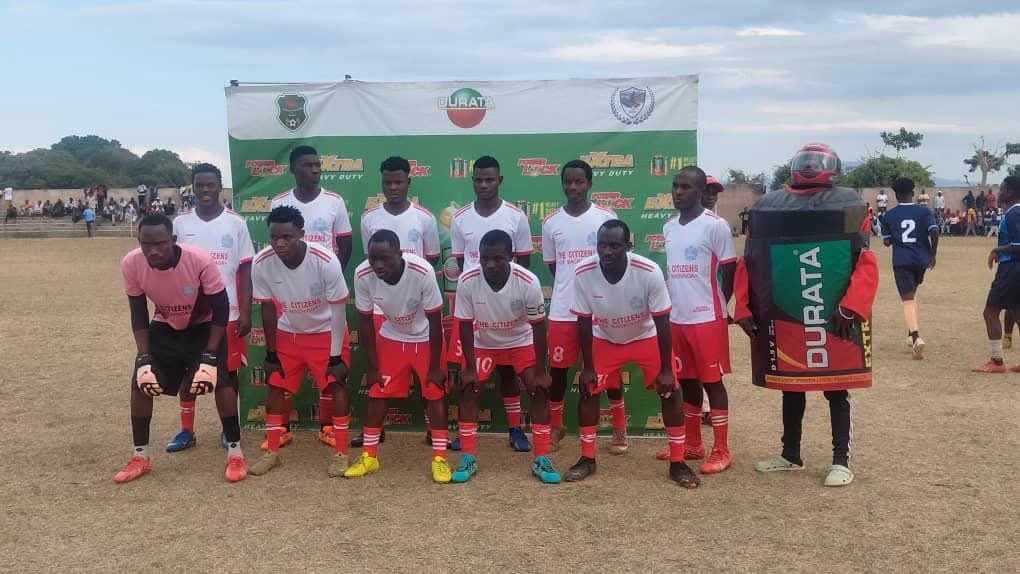 By Suleman Chitera The Eastern Region Football Association (ERFA) has officially launched the 2026/27 Durata Premier Division League season, marking a major boost… Read more: ERFA Launches 2026/27 Durata Premier Division League as Sponsorship Increases to K36 Million
 - Salima Sugar Company Appoints Clement Kumbemba as New Chief Executive Officer
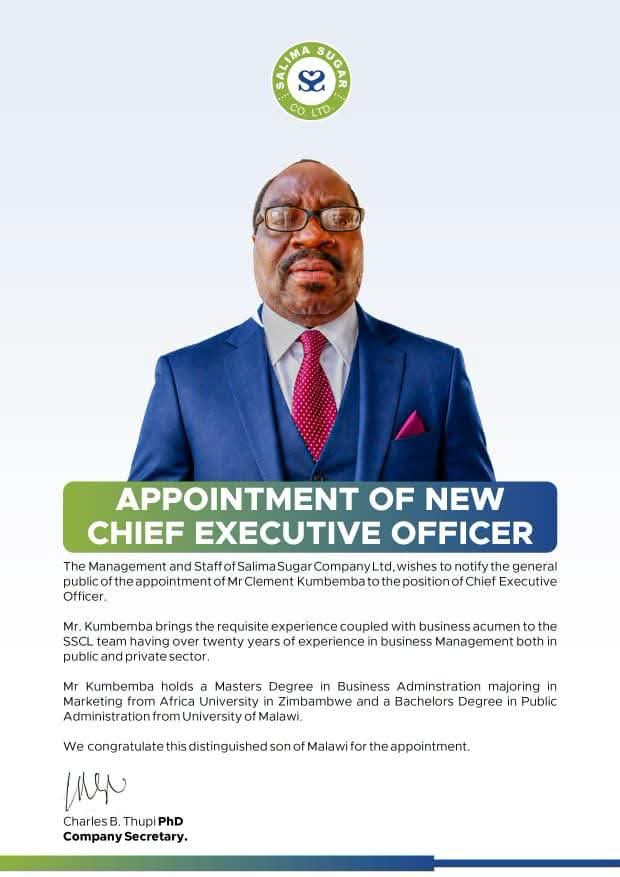 By Suleman Chitera Salima Sugar Company Limited (SSCL) has appointed Clement Kumbemba as its new Chief Executive Officer (CEO), marking a significant leadership… Read more: Salima Sugar Company Appoints Clement Kumbemba as New Chief Executive Officer
 - MBS Destroys 300 Bales of Expired Soya Chunks, Fines Blantyre Wholesaler K2 Million
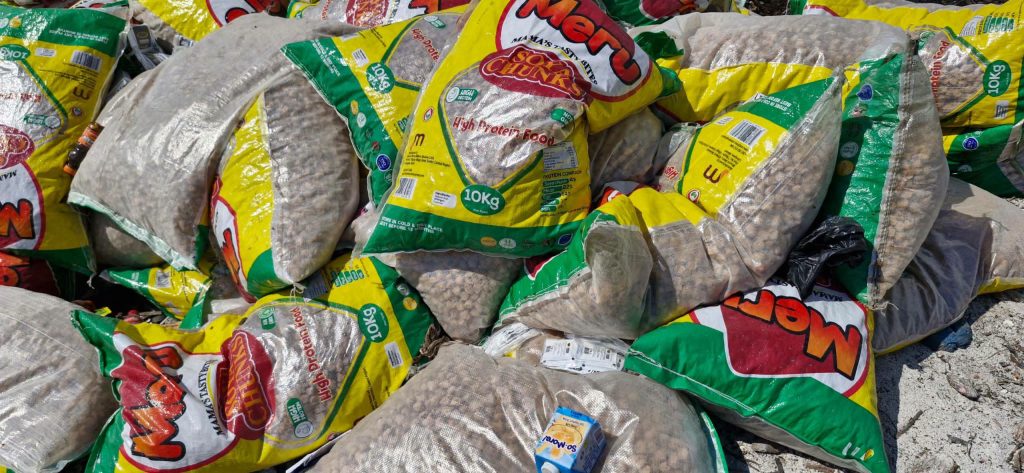 By Suleman Chitera The Malawi Bureau of Standards (MBS) has destroyed approximately 300 bales of expired soya chunks manufactured by Meru after they… Read more: MBS Destroys 300 Bales of Expired Soya Chunks, Fines Blantyre Wholesaler K2 Million
 - Kalindo feels sorry to Dzombe’s fertilizer manufacturing company
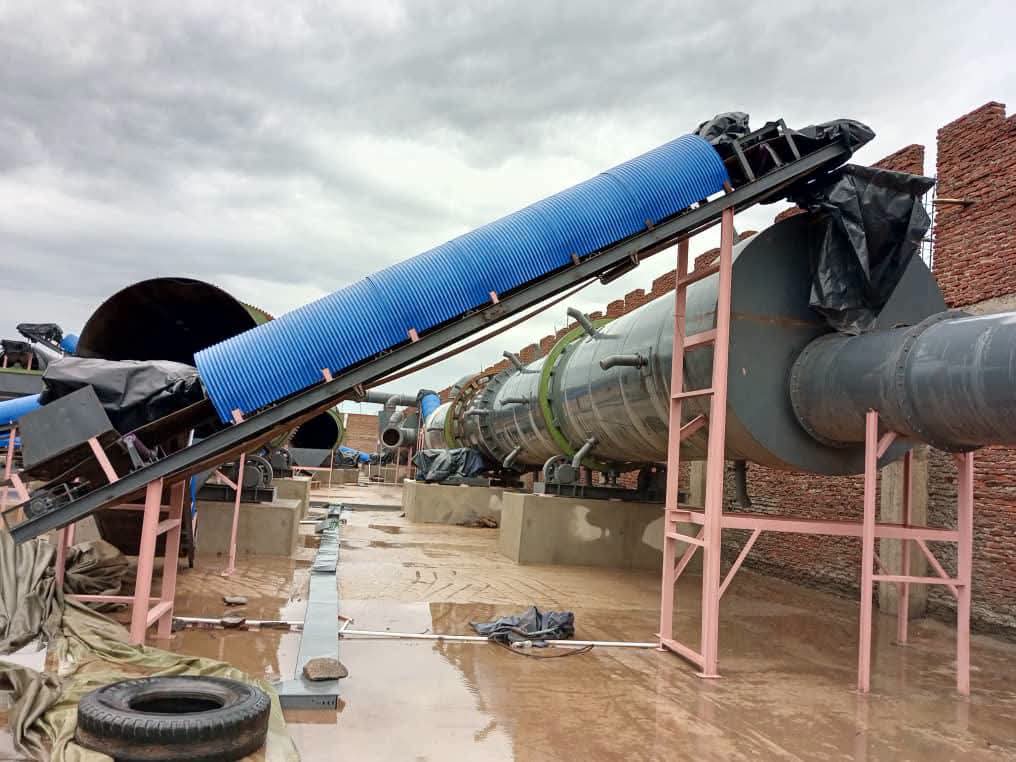 By Vincent Gunde Political activist Bon Kalindo says Malawi is a country of shame where its people do not want someone to be… Read more: Kalindo feels sorry to Dzombe’s fertilizer manufacturing company
 - ANALYSIS: Why the Court’s Decision to Halt MEC Relocation Could Shape Malawi’s Constitutional Future
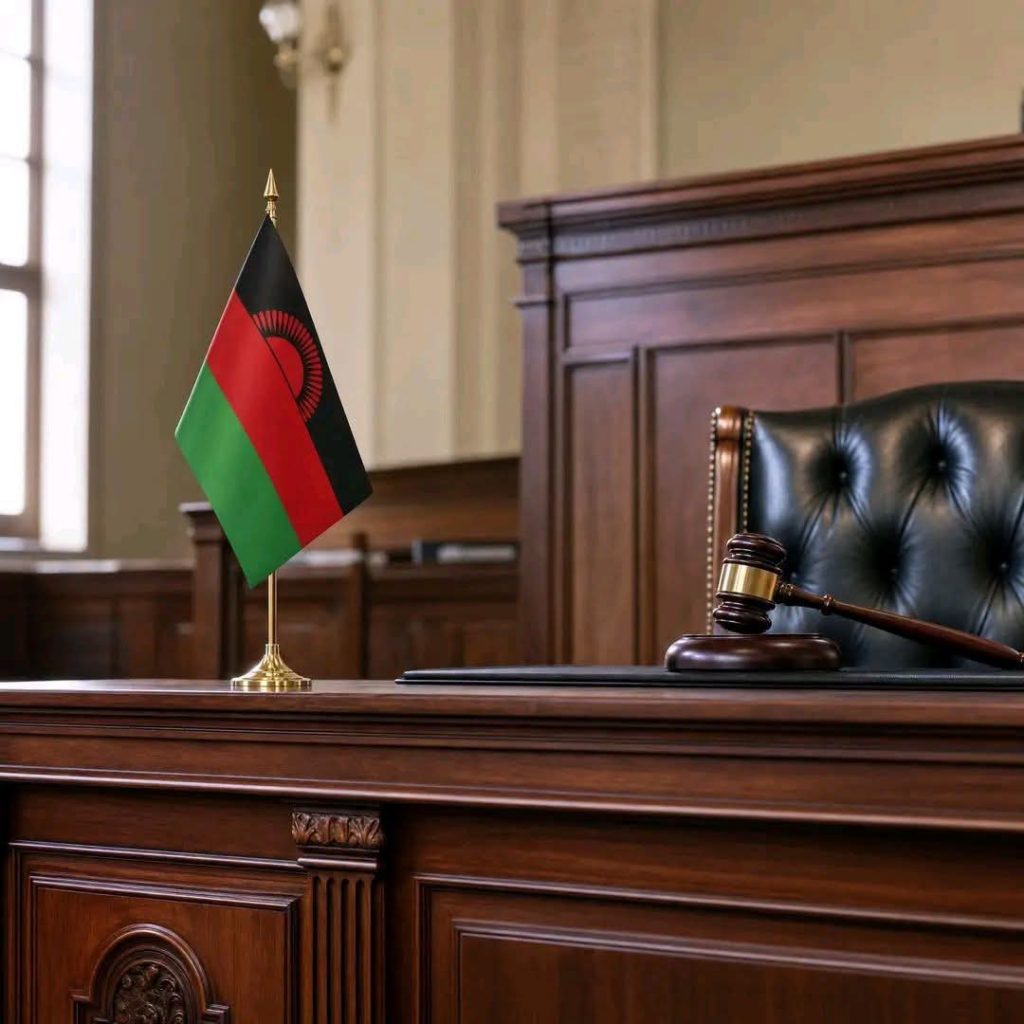 By Suleman Chitera The High Court’s decision to stop the relocation of the Malawi Electoral Commission (MEC) from Lilongwe to Blantyre is more… Read more: ANALYSIS: Why the Court’s Decision to Halt MEC Relocation Could Shape Malawi’s Constitutional Future
 - MCP exposes Malawi Constitution loopholesBy Vincent Gunde
 For five years of President Dr. Lazarus Chakwera and his MCP government, Malawians stopped believing in the country’s justice delivery system because of… Read more: MCP exposes Malawi Constitution loopholesBy Vincent Gunde
 - Senior Chief Chimombo Arrested Over Alleged Vandalism of Mchengamalembo Bridge
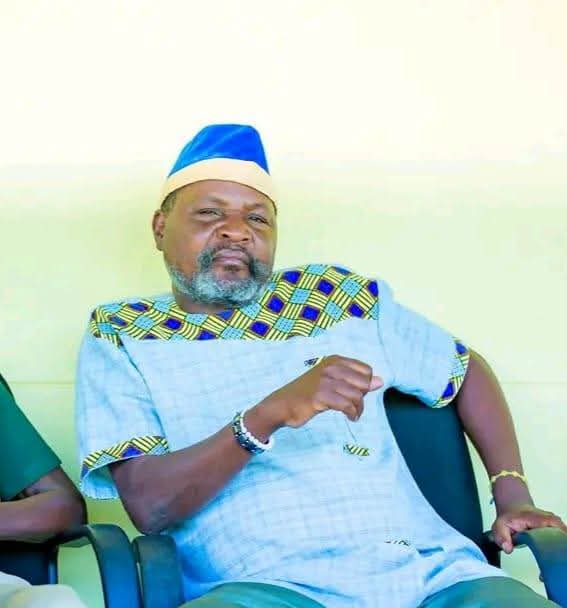 By Staff Reporter Senior Chief Chimombo of Nsanje District has been arrested by police and charged with malicious damage in connection with the… Read more: Senior Chief Chimombo Arrested Over Alleged Vandalism of Mchengamalembo Bridge
 - MEPA Fires Back at Napoleon Dzombe Fertilizer Factory Owner as Approval Delay Dispute DeepensBy Staff Reporter A war of words has erupted between the Malawi Environmental Protection Authority (MEPA) and a fertilizer manufacturing company seeking to… Read more: MEPA Fires Back at Napoleon Dzombe Fertilizer Factory Owner as Approval Delay Dispute Deepens
- Former Immigration Permits Chief Arrested by ACB Over Alleged Permit Fee Irregularities
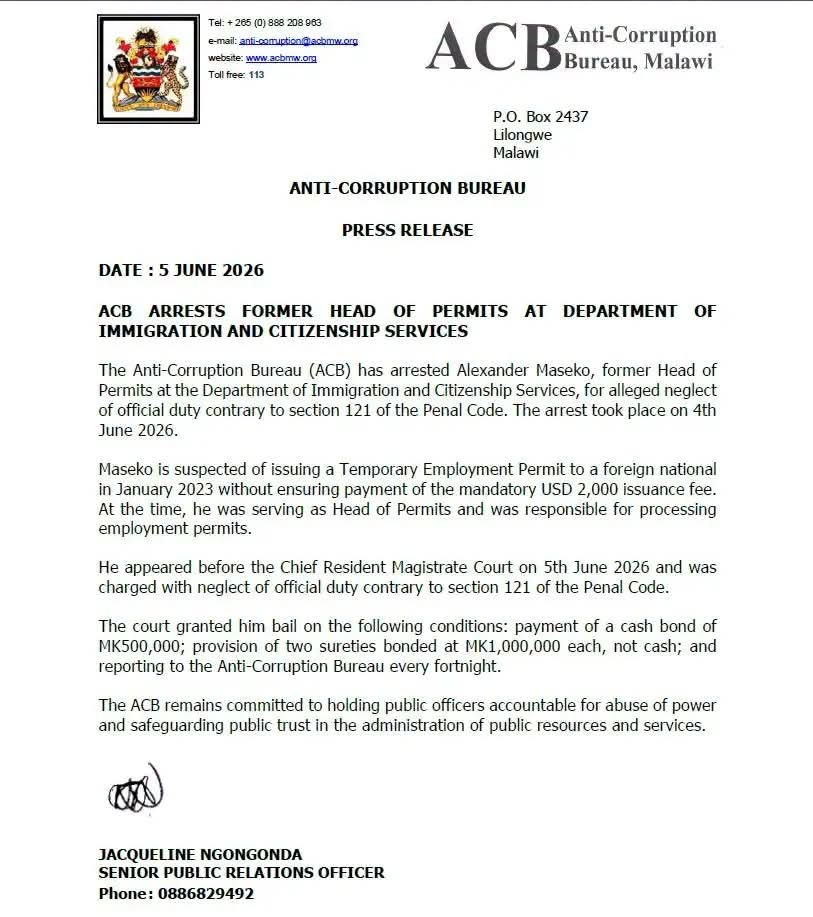 By Suleman Chitera The Anti-Corruption Bureau (ACB) has arrested former Head of Permits at the Department of Immigration and Citizenship Services, Alexander Maseko,… Read more: Former Immigration Permits Chief Arrested by ACB Over Alleged Permit Fee Irregularities
 - UGI contributes K15m to MUBAS Research and Innovation Conference
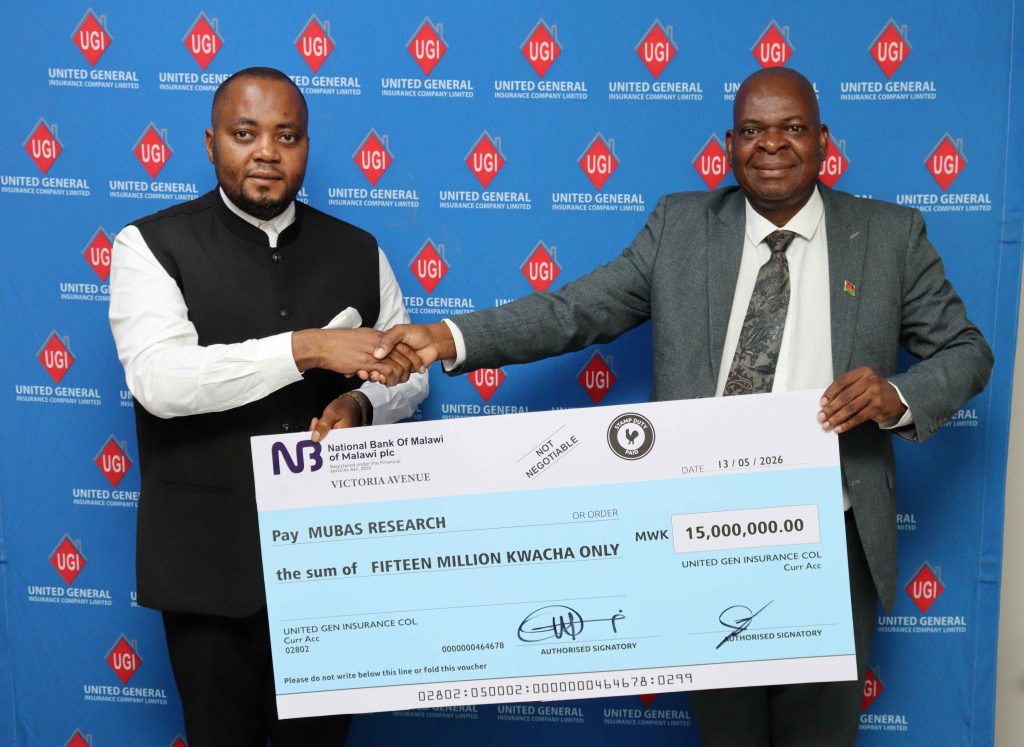 By Takondwa Nyirenda, Contributor United General Insurance Company Limited (UGI) has donated K15 million to Malawi University of Business and Applied Sciences (MUBAS)… Read more: UGI contributes K15m to MUBAS Research and Innovation Conference
 - DPP Diaspora RSA Warns Malawians Against Repatriation Bus Scam
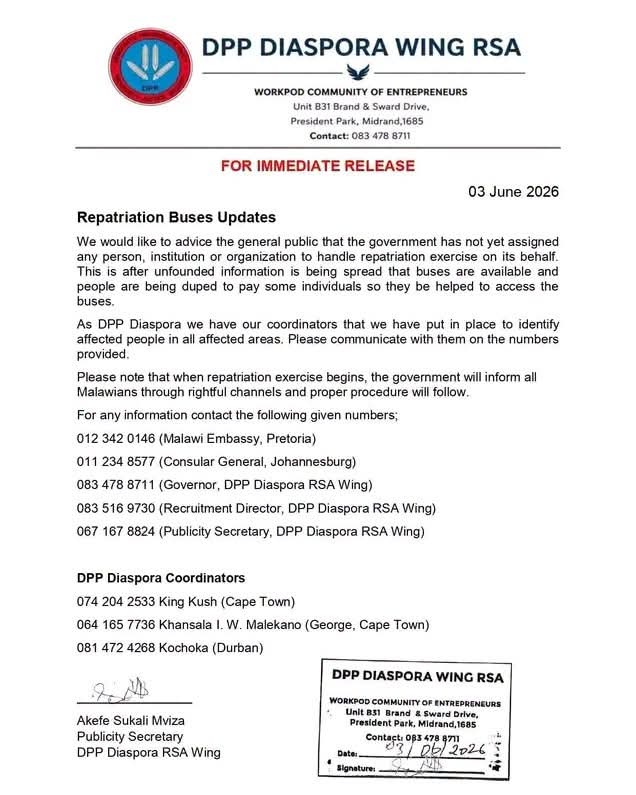 By Suleman Chitera The Democratic Progressive Party (DPP) Diaspora Wing in South Africa has issued a strong warning to Malawians against fraudsters claiming… Read more: DPP Diaspora RSA Warns Malawians Against Repatriation Bus Scam
 - Court Halts MEC Relocation to Blantyre in Major Legal Setback for Government
 By Suleman Chitera The High Court has temporarily stopped plans to relocate the Malawi Electoral Commission (MEC) from Lilongwe to Blantyre, dealing a… Read more: Court Halts MEC Relocation to Blantyre in Major Legal Setback for Government
 - U.S. Visa Crackdown Could Shut the Door on Opportunities for Many Malawians
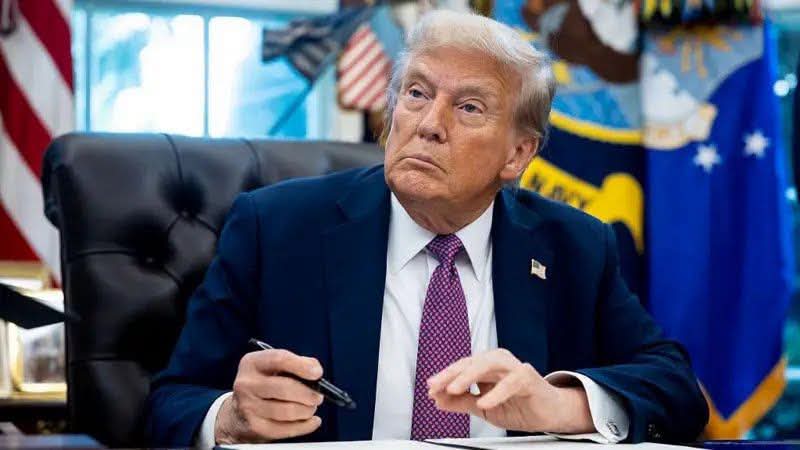 By Suleman Chitera Thousands of Malawians dreaming of studying, working, doing business, or seeking medical treatment in the United States could soon face… Read more: U.S. Visa Crackdown Could Shut the Door on Opportunities for Many Malawians
 - Massive Soya Bean Theft Uncovered: Police Recover K42.2 Million Worth of Produce, Two Arrested
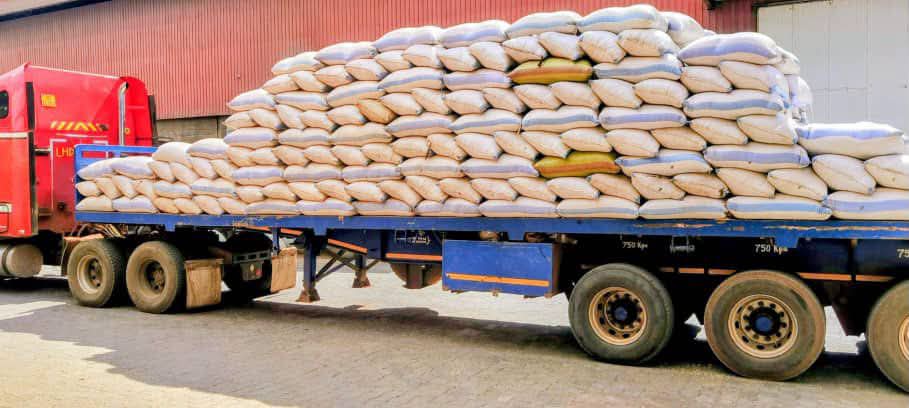 Police Hunt Alleged Mastermind as Investigations Continue By Suleman Chitera A major theft scandal involving 600 bags of soya beans valued in the… Read more: Massive Soya Bean Theft Uncovered: Police Recover K42.2 Million Worth of Produce, Two Arrested
 - U.S. Visa Restrictions Could Make Travel More Difficult for MalawiansBy Suleman Chitera Many Malawians could face greater challenges in travelling to the United States if plans by the U.S. government to reduce… Read more: U.S. Visa Restrictions Could Make Travel More Difficult for Malawians
- Community Spirit Powers Santhe Admarc FC Into New Season
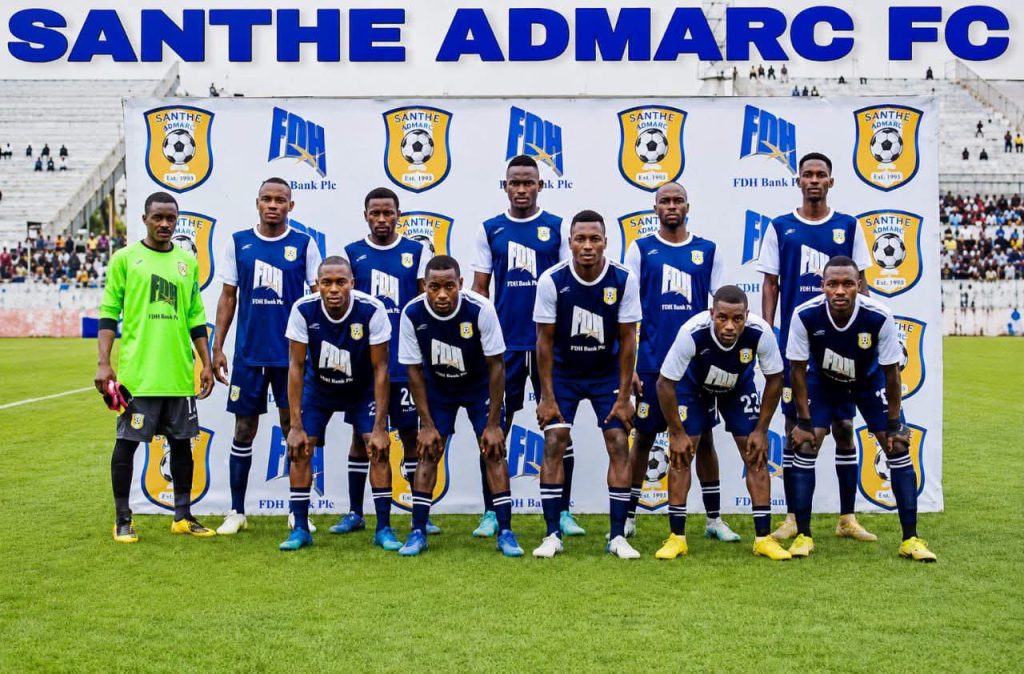 By Suleman Chitera As excitement builds ahead of the new Central Region Football League (CRFL) season, Santhe Admarc FC has emerged as a… Read more: Community Spirit Powers Santhe Admarc FC Into New Season
 - Police Officer Donates Over K1 Million Worth of Cement to Boost Kasungu Central Mosque Construction
 By Suleman Chitera A senior Malawi Police Service officer has won praise after donating 27 bags of cement worth over K1 million towards… Read more: Police Officer Donates Over K1 Million Worth of Cement to Boost Kasungu Central Mosque Construction