 Malawi Freedom Network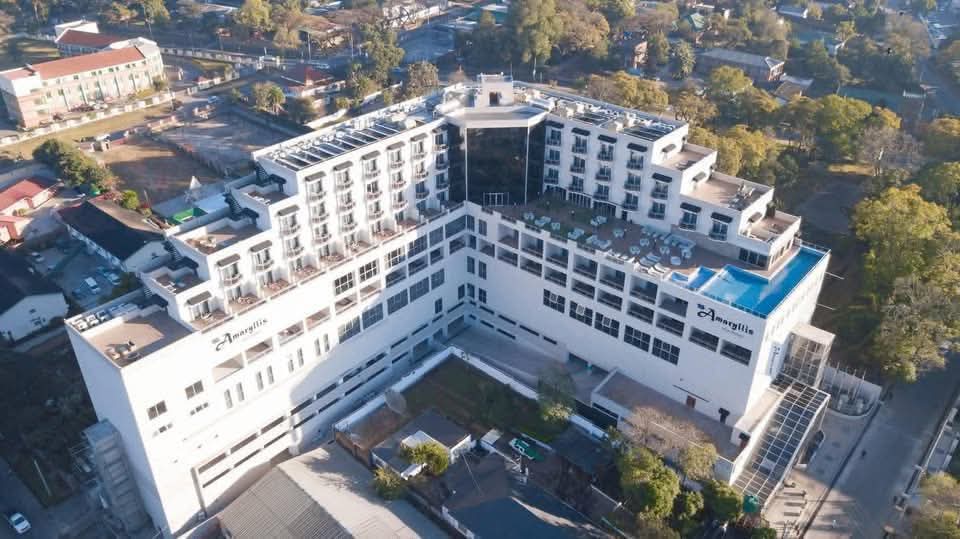
By Staff Reporter
The controversial Amaryllis Hotel deal continues to cast a long shadow over the Malawi Congress Party, exposing serious questions about judgment, accountability, and governance under former president Lazarus Chakwera.
What makes the matter politically explosive is not just the scale of public funds involved, but the origins of the deal itself. This was not an inherited problem—it was conceived, driven, and executed under MCP leadership, making it a direct reflection of the party’s decision-making at the highest level.
Critics argue that the transaction symbolized a broader pattern of economic missteps that eroded public trust. At a time when Malawians were battling rising costs of living, persistent fuel price hikes, and economic instability, the optics of committing massive resources to a luxury asset raised eyebrows across the country.
The political consequences have been significant. Many analysts link public frustration over such decisions to declining confidence in the MCP, culminating in electoral setbacks, including the September 16 general elections. For voters, the Amaryllis deal became more than a single issue—it turned into a symbol of misplaced priorities.
Attempts to shift blame or redirect scrutiny toward the Democratic Progressive Party have done little to change the narrative. The facts remain firmly rooted in the timeline of MCP governance.
Ultimately, the Amaryllis Hotel deal belongs to the Malawi Congress Party. It was initiated by the party and directly contributed to its confusion and loss in the September 16 elections. The MCP cannot mislead the public or attempt to drag the Democratic Progressive Party into the matter—accountability lies squarely with those who made the decisions.
Read also: DPP Director of Youth Norman Chisale raises concern over delays in Mbowe violence investigation
Read also: 250 elephants to be transfered to Kasungu from Liwonde
Read also: WMHD commemorations crucial advocate for mental health